IN Brief:
- Portugal has selected three FREMM EVO frigates to be built through Italy’s Fincantieri-led naval production system.
- Deliveries planned across 2029 and 2030 will require an intensive construction and integration schedule.
- Portuguese participation is expected to include maintenance, technology transfer, industrial workshare, and activity at Alfeite.
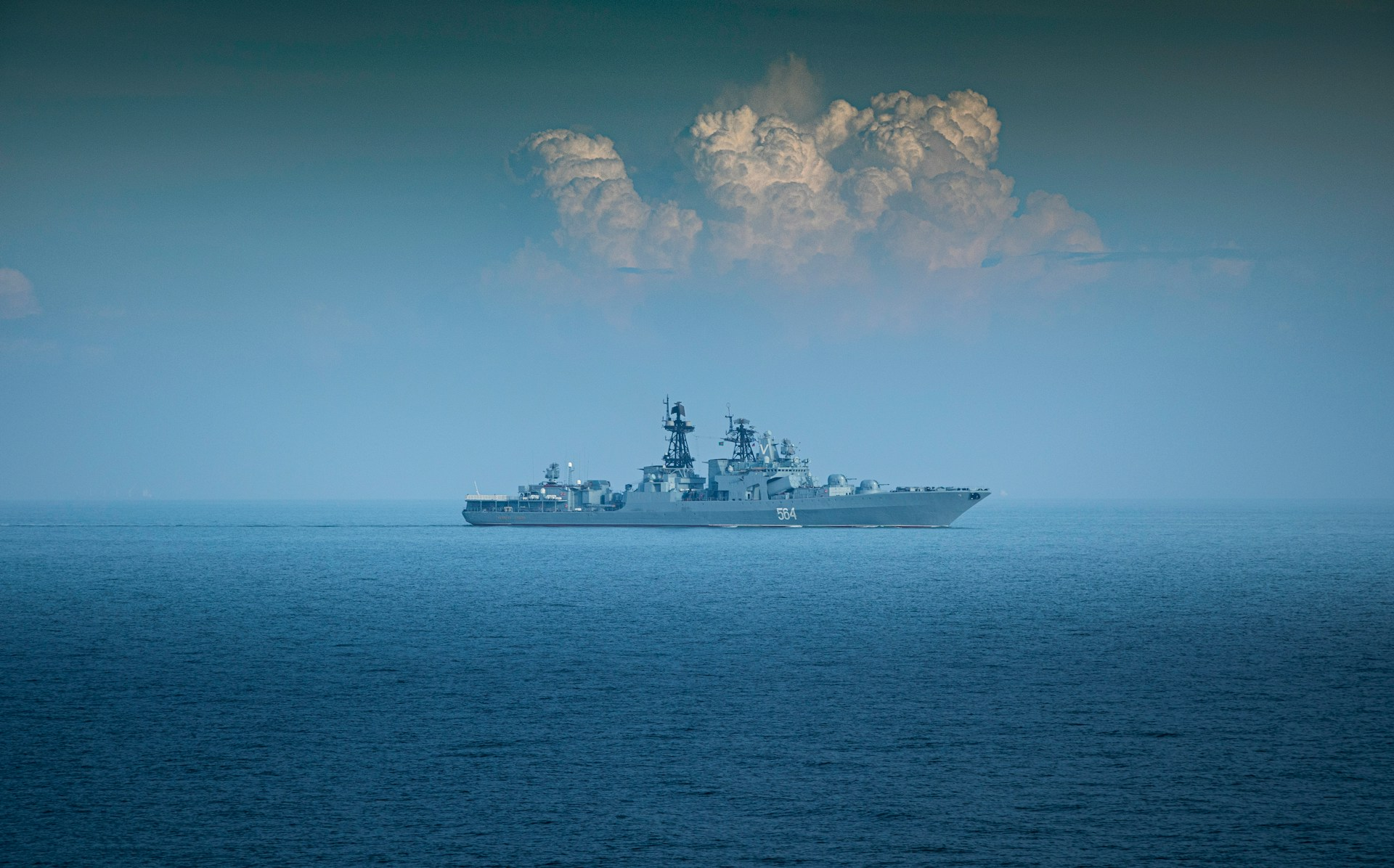
Portugal has selected three Italian-built FREMM EVO frigates, opening a multi-ship construction and support programme that is expected to deliver the vessels during 2029 and 2030.
Fincantieri will lead construction, while Portuguese industrial participation, technology transfer, maintenance, and work at the Alfeite naval arsenal are expected to form part of the wider package. The decision gives Lisbon access to an established European frigate family without funding an entirely new national design.
A compressed delivery schedule will still place considerable pressure on design control, long-lead equipment, shipyard capacity, and combat-system integration. Modern frigates contain thousands of tonnes of fabricated structure, extensive pipework and cabling, propulsion machinery, electrical generation, weapons, sensors, communications equipment, and millions of lines of software.
FREMM’s established design lineage reduces some first-of-class risk, although the EVO configuration and Portuguese requirements must be incorporated without turning the ships into a substantially new class. National communications, weapons, aviation arrangements, electronic warfare, and support standards can generate extensive redesign when introduced after construction planning has advanced.
Hull sections and machinery spaces can be manufactured through mature processes, while the digital and electronic configuration often continues changing close to delivery. Radar, datalink, decoy, missile, cybersecurity, and unmanned-system updates can affect power, cooling, mast arrangements, topside weight, cable routes, operator consoles, and electromagnetic compatibility.
Configuration control must therefore run from contract signature through harbour acceptance and sea trials. A change approved for the lead ship needs to reach later vessels, training systems, documentation, spares, and shore facilities without producing three different standards.
Long-lead components will need to be ordered before every detail is settled. Gas turbines, generators, switchboards, gearboxes, radars, sonars, launchers, and specialist electronic assemblies are produced by a limited group of suppliers serving increasingly crowded naval order books.
Shipyard space alone cannot protect the schedule when one major system arrives late. Suppliers must reserve production slots, secure materials, and complete their own qualification work in step with hull construction.
Building Portuguese depth around the fleet
Domestic participation will be judged less by ceremonial workshare than by the duration and technical value of the activity allocated to Portuguese organisations. Fabrication and installation provide immediate workload, while maintenance, integration, software support, and modernisation can continue for decades.
The Alfeite naval arsenal is positioned to become the centre of that through-life effort. Frigates require docking, corrosion control, machinery overhaul, cable replacement, weapons maintenance, structural surveys, sensor updates, and repeated combat-system changes throughout service.
Performing that work domestically requires more than trained labour. Alfeite will need technical data, specialist tooling, secure software environments, test equipment, component-support agreements, and sufficient engineering authority to diagnose and approve repairs.
Technology transfer must therefore be defined precisely. Training technicians to replace imported units is different from transferring repair processes, integration knowledge, source-code access, or authority to certify modifications.
Portugal will need to select which capabilities are strategically necessary to retain nationally and which remain more economical through the wider Italian and FREMM support network. Complete independence is unlikely, but excessive reliance on overseas engineering can lengthen refits and increase cost whenever the fleet needs an urgent change.
Embedding Portuguese personnel in the build programme would allow knowledge to develop before the ships arrive. Engineers and technicians who observe installation, commissioning, and acceptance can carry a more complete understanding of the vessels into domestic support.
The three-ship batch offers manufacturing repetition, with lessons from the lead vessel improving fabrication, outfitting, and test work on the next two. Common equipment can also reduce training and inventory requirements across the fleet.
A short run nevertheless makes late changes expensive because engineering costs are spread across only three hulls. Alterations introduced after sections have been fabricated can force rework through cables, foundations, pipe routes, ventilation, and software.
Combat-system acceptance may become the most difficult stage. Sensors and weapons must operate as an integrated architecture, exchanging tracks and commands while remaining secure, electromagnetically compatible, and usable by the crew.
Shore-based integration facilities can remove some risk before equipment reaches the ship. Representative consoles, networks, sensors, and software allow faults to be identified without occupying an almost complete frigate or delaying sea trials.
The fleet will also need secure training systems and shore networks. Larger, more digitally complex ships create recurring demand for simulation, mission-data management, software testing, cybersecurity monitoring, and controlled updates.
Portugal’s purchase follows a wider European shift towards established multinational ship families. Common designs can reduce development costs and improve supplier continuity, although each customer still needs enough industrial control to maintain and modernise its own vessels.
Fincantieri’s production system gives Portugal a credible route to three frigates on a relatively rapid schedule. The programme will deliver deeper value where Portuguese companies and Alfeite retain the knowledge, equipment, and authority to support the ships once Italian construction work is complete.