IN Brief:
- Saft will supply lithium-ion battery systems associated with Naval Group’s Barracuda and Scorpène submarine families.
- Production combines cell manufacture with naval qualification, battery management, thermal control, and platform integration.
- Higher submerged endurance brings a larger safety, certification, infrastructure, and long-term support burden.
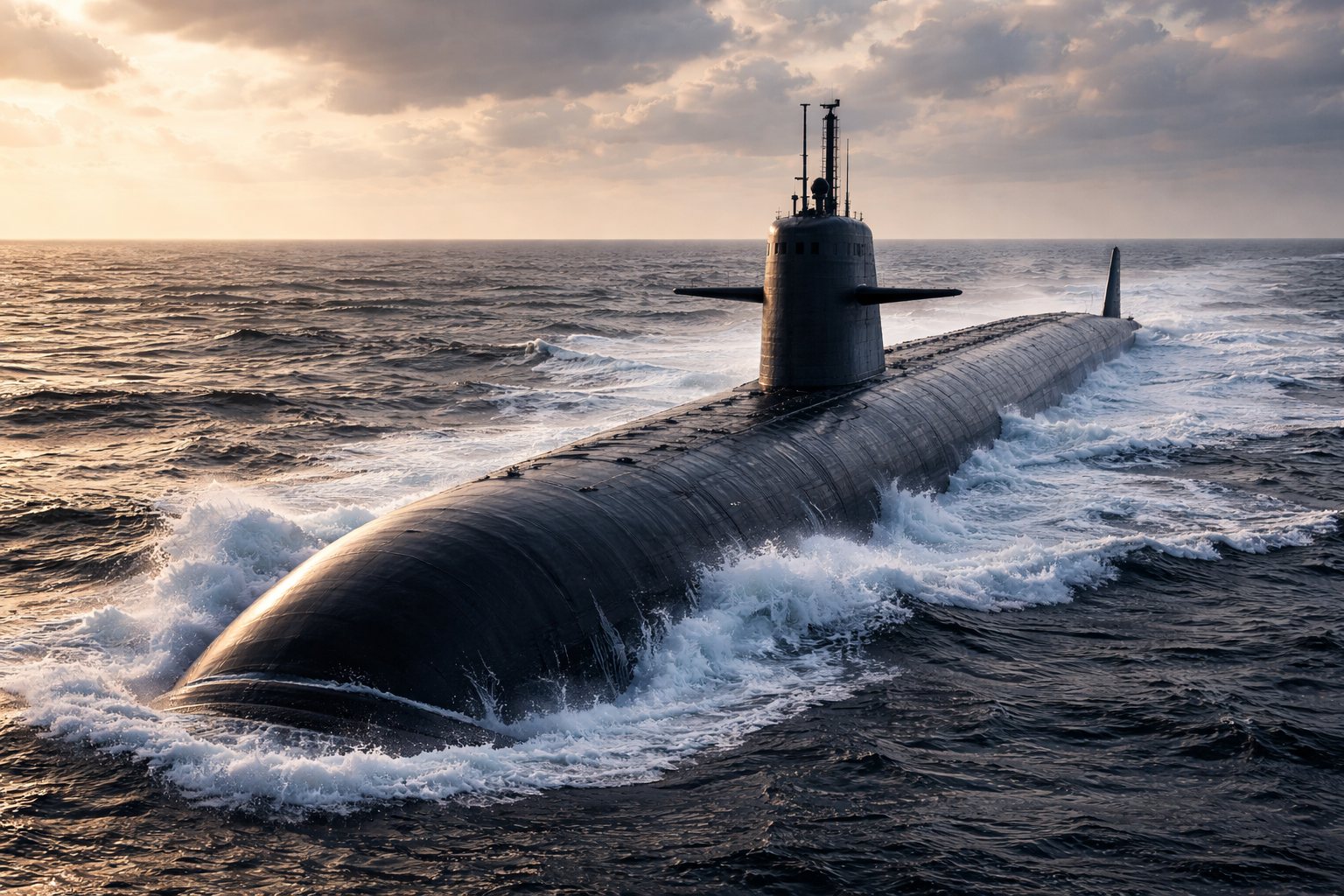
Saft has secured a major Naval Group contract to supply next-generation lithium-ion battery systems for submarine programmes associated with the Barracuda and Scorpène families.
The agreement moves high-density energy storage deeper into Naval Group’s undersea portfolio, where battery performance influences submerged endurance, electrical availability, acoustic behaviour, maintenance, and the design of supporting platform systems.
For conventionally powered submarines, stored electrical energy helps determine how long a boat can remain submerged without running diesel generators or using another charging system. Greater usable capacity can extend patrol periods, support higher sensor loads, and give commanders more flexibility over speed and mission activity.
Lithium-ion chemistry offers higher energy density and different charging characteristics from traditional lead-acid batteries, although those gains come with demanding requirements for cell consistency, monitoring, cooling, containment, electrical isolation, and fault response.
A submarine installation cannot tolerate the assumptions made around many commercial battery packs. Fire, gas release, or uncontrolled heating inside a pressure hull would place the vessel and crew at immediate risk, requiring multiple barriers against fault propagation.
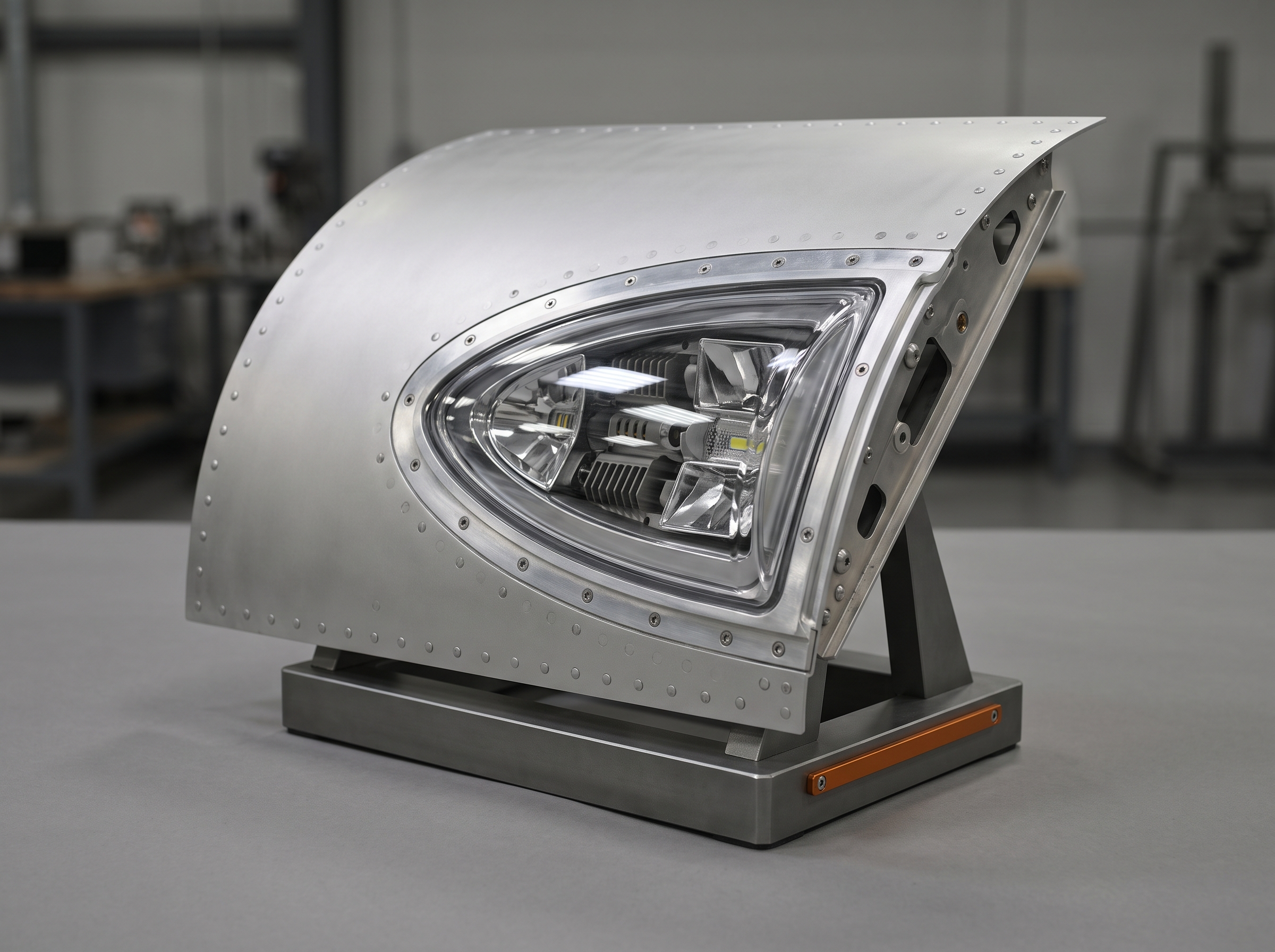
Saft manufactures cells as well as complete battery systems, giving the company control over electrochemistry, module design, management electronics, and production records. That vertical integration can improve traceability and allow naval requirements to be addressed before cells enter pack assembly.
Consistency across individual cells remains a central manufacturing challenge. Small variations in capacity, internal resistance, or ageing behaviour can affect the performance of modules containing large numbers of interconnected cells.
Production testing, grading, matching, and digital records must therefore follow each cell into its final assembly. A module that behaves normally when new may diverge from neighbouring modules after repeated cycling unless its characteristics are well understood.
Battery-management software adds another safety layer by monitoring voltage, current, temperature, state of charge, and cell balance. Sensors and processors must remain accurate through vibration, electromagnetic interference, temperature changes, and years of operation.
The software also needs robust assurance against malfunction and cyber interference. A submarine cannot depend on opaque commercial code for a system whose status may determine propulsion availability and emergency response.
Integrating energy into the hull
Battery adoption affects far more than the compartment in which the modules are installed. Cooling equipment, converters, protection devices, cabling, ventilation, control software, shore charging, firefighting systems, and crew procedures all need to be designed around the selected chemistry.
Higher energy density can release space or extend endurance, but the installation still needs structural support, access for inspection and replacement, thermal separation, and protection against shock. Every enclosure and cooling route competes with weapons, accommodation, sensors, and machinery inside a constrained hull.
Qualification must progress through cell, module, pack, and platform levels. Overcharge, deep discharge, short circuit, internal fault, external heating, shock, vibration, salt exposure, and ageing all need to be tested under controlled conditions.
Some trials deliberately damage or destroy components, making certification expensive and dependent on specialist facilities. Test capacity may become a schedule constraint as more submarine programmes adopt advanced batteries.
Italy’s U212 NFS build is already combining lithium-ion propulsion batteries with a new combat system, while Naval Group has included similar technology in its Blacksword Barracuda export offer. The market is moving from isolated demonstrations towards repeatable naval installations.
Common technology across more than one submarine family could give Saft a larger and steadier workload. Shared cells, modules, control electronics, test methods, and support equipment would improve purchasing and production efficiency, even where hull-specific integration remains necessary.
Commercial battery technology changes rapidly, whereas submarines remain in service for several decades. Naval Group and Saft must therefore manage chemistry, component, and processor obsolescence without forcing frequent redesign of the surrounding vessel.
A cell format available during initial construction may disappear from wider production years before the submarine retires. Long-term agreements, controlled redesign routes, strategic material holdings, and replacement qualification will be needed to preserve support.
Naval battery volumes are low compared with automotive production, but each system carries exceptional documentation and quality requirements. Suppliers gain few economies from mass consumer output when naval cells require different materials, screening, construction, or traceability.
Through-life monitoring will influence maintenance intervals and replacement planning. Data gathered from temperature, cycling, charge rates, and internal resistance can distinguish normal ageing from an emerging fault and prevent unnecessary removal of healthy modules.
Shore facilities will need equally careful preparation. Charging, handling, storage, transport, and disposal arrangements must account for damaged modules as well as normal maintenance, with trained personnel and controlled isolation procedures available at submarine bases.
Saft’s contract places battery manufacture inside one of the most safety-critical areas of submarine engineering. Additional endurance will be useful only when the cells, electronics, cooling, software, and support infrastructure perform as one dependable system throughout the vessel’s service life.