IN Brief:
- Six technology priorities will guide Australian defence research and innovation over the coming decade.
- Named capability pathways include Ghost Bat, Ghost Shark, GPS-denied navigation, counter-drone systems, and directed energy.
- Delivery will depend on moving research through testing, integration, acquisition, production, and sustainment.
Australia’s Department of Defence has selected six technology priorities for the next decade, concentrating government, industrial, university, and research activity on capabilities that can be tested, integrated, acquired, and sustained by the Australian Defence Force.
The 2026 Defence Innovation, Science and Technology Strategy covers long-range fires and hypersonic weapons, high-energy lasers, autonomous systems, quantum technology, artificial intelligence, and undersea warfare. Released at the Australian Defence Science, Technology and Research Summit in Adelaide, it aligns defence research with the 2026 National Defence Strategy and the latest Defence Industry Development Strategy.
The six areas replace a broader technology agenda with a more deliberate set of capability problems. Scientific promise alone will not meet those requirements: Defence must be able to test new systems under representative conditions, integrate them with existing equipment, qualify suppliers, procure useful quantities, and support the resulting capability throughout service.
Named programmes connect research with procurement
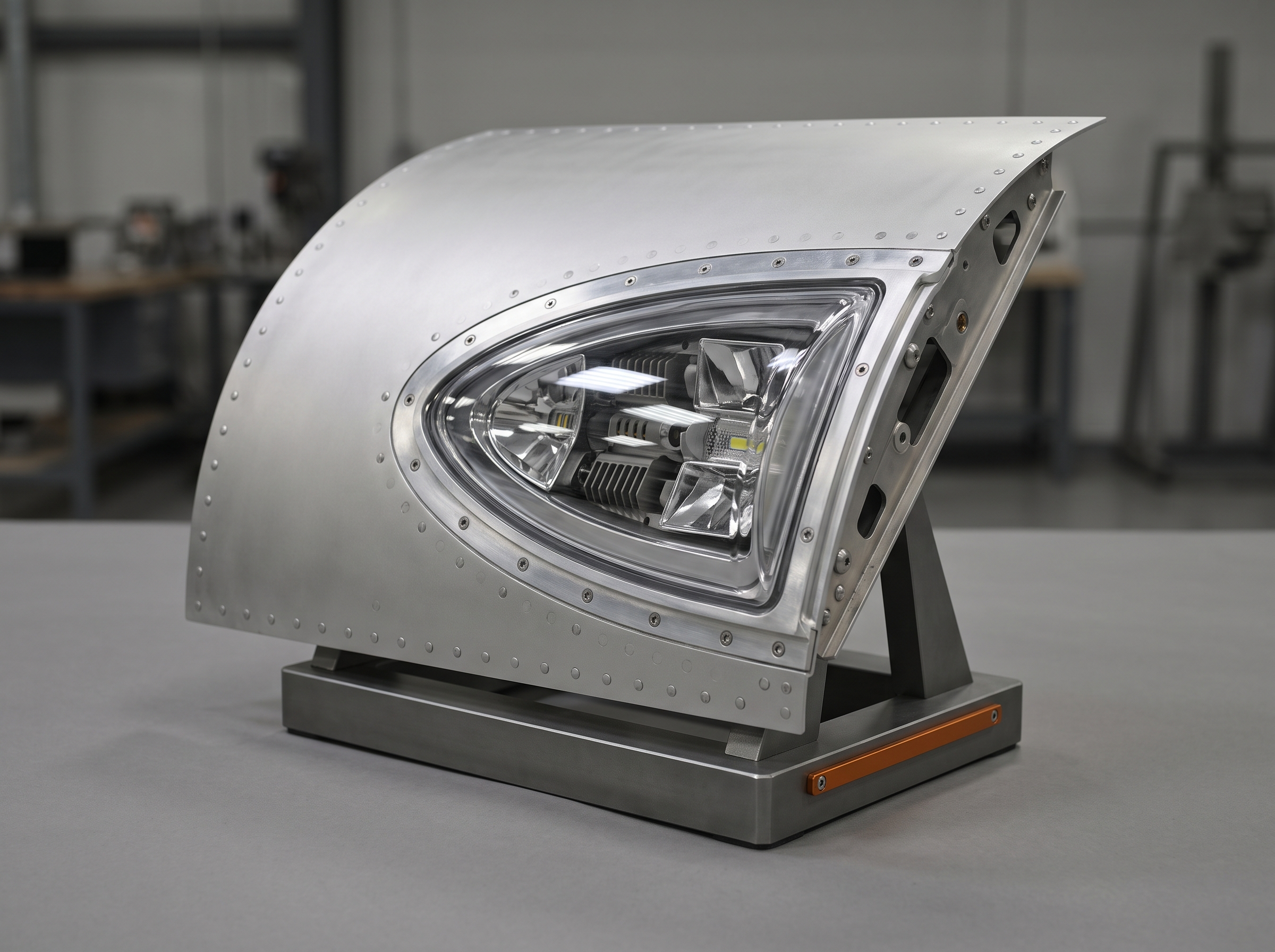
Long-range fires and hypersonic weapons require advances across propulsion, guidance, sensing, materials, thermal management, and test infrastructure. High-energy lasers create a different set of engineering demands around power generation, storage, beam control, cooling, target tracking, and the integration of directed-energy equipment with command systems.
Autonomous systems and artificial intelligence are listed separately, although the two fields will frequently converge. Autonomy concerns how platforms perceive their environment, navigate, make decisions, and act within defined levels of human control. Artificial intelligence can support perception, mission planning, data analysis, and decision support across crewed and uncrewed systems.
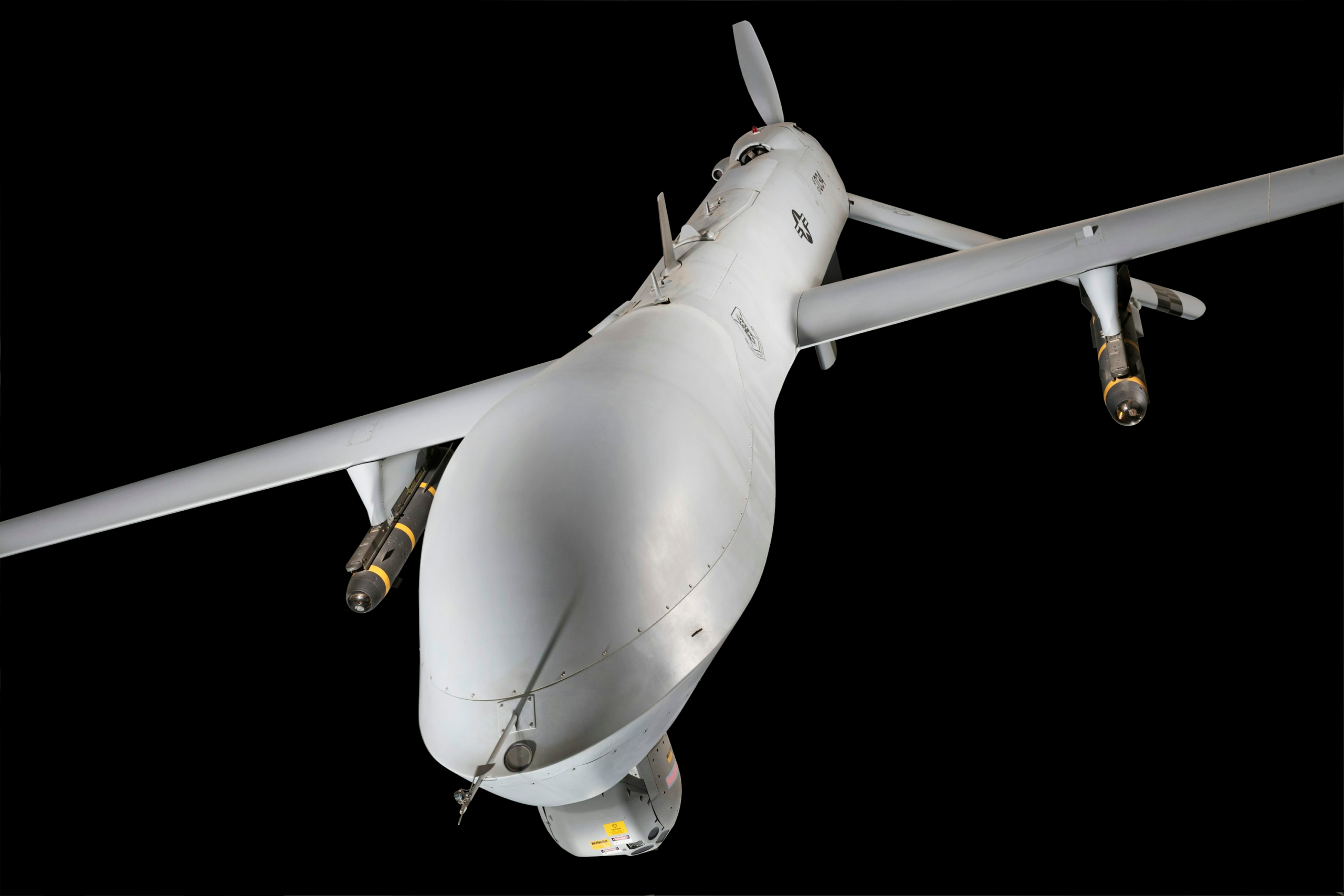
The strategy links that work to programmes including the MQ-28 Ghost Bat uncrewed aircraft and the Ghost Shark autonomous undersea vehicle. Naming existing capability pathways gives industry a clearer indication of where research may be tested and integrated, rather than leaving businesses to interpret a general statement of technological interest.
Quantum technology is directed partly towards navigation and timing where satellite-derived positioning is unavailable or degraded. Australia’s geography and operating requirements make assured navigation particularly important across air, maritime, and land environments in which conventional infrastructure may be sparse.
Undersea warfare brings together sensing, communications, autonomy, signature management, power, and advanced materials in an environment that places severe limits on data transmission and maintenance access. Counter-drone work cuts across several priorities, requiring sensors to detect and classify small targets before command systems select an affordable and proportionate response.
Industrial delivery remains the harder stage
Defence describes the strategy as a national undertaking involving government, industry, universities, and research organisations, supported by collaboration with trusted international partners. The practical challenge is to keep promising work moving after early demonstrations, when projects begin to encounter qualification requirements, security controls, contracting processes, and the cost of producing repeatable hardware or software.
The ADSTAR Summit is one route for aligning those groups. More than 2,000 delegates were expected in Adelaide, including representatives from Canada, Japan, New Zealand, the Republic of Korea, Singapore, the United Kingdom, and the United States. Its programme combines technical presentations, workshops, demonstrations, and discussions around operational requirements.
Australia has also been creating more focused structures through which defence research can be commissioned and coordinated. Those organisations now have a clearer set of destinations, although the strategy does not guarantee that every supported project will become an acquisition programme.
Companies will still need to meet security requirements, protect or license intellectual property, demonstrate reliable performance, and understand the evidence demanded by Defence’s assurance processes. Software-led systems will require update and certification arrangements that can accommodate rapid iteration without sacrificing control over safety, cybersecurity, or configuration.
Manufacturing readiness will be equally important. A successful prototype may rely on specialist components, laboratory processes, or imported materials that cannot be reproduced economically at military scale. Defence will need to identify those dependencies early enough for suppliers to invest in equipment, skills, quality systems, and secure production capacity.
The strategy gives businesses a more disciplined demand signal, particularly where engineering and research investment must be committed years before a production contract becomes available. Its effectiveness will be visible in the number of projects that progress through realistic trials and into supported service, rather than in the volume of research activity commissioned under each heading.
Australia has defined the technologies it expects to shape capability development over the next decade. The next test is whether acquisition, assurance, and industrial policy can turn that direction into repeatable delivery before the priorities are overtaken by another strategy cycle.