IN Brief:
- The UK and Australia have signed a statement of intent covering advanced AESA radar cooperation.
- QinetiQ is expected to support UK integration, testing, and assurance of CEA radar technology.
- No UK production quantity, platform selection, contract value, or in-service date has yet been announced.
The UK and Australia have signed a statement of intent to deepen cooperation on Active Electronically Scanned Array radar technology, bringing QinetiQ and Canberra-based CEA Technologies into a framework covering potential UK adoption, integration, testing, assurance, and industrial collaboration.
The agreement was signed in Canberra on 12 August during a visit by UK Minister for Defence Readiness and Industry Luke Pollard. It brings together the UK Ministry of Defence, Australian Department of Defence, QinetiQ, and CEA Technologies as both governments examine how Australian-developed radar technology could be used by UK frontline services.
QinetiQ is expected to support integration, testing, and assurance across the UK defence enterprise, while CEA contributes an established Australian AESA technology base. The statement follows commitments made at the Australia-UK Ministerial Consultations in June, where the two governments agreed to explore development and production of an AESA capability.
The framework does not amount to a UK procurement decision. No production quantity, platform selection, contract value, or in-service date has been announced, so the near-term work is centred on engineering cooperation and the industrial arrangements needed to assess a potential capability.
Steve Wadey, group chief executive officer of QinetiQ, said: “Current conflicts remind us of the importance of air defences, which are increasingly under pressure, and QinetiQ is proud to play a key role in bringing this vital technology to the UK.”
Integrating an AESA radar into service requires substantially more than fitting an antenna. The system has to connect with power, cooling, data networks, command or combat-management systems, identification functions, communications, maintenance equipment, and the physical platform that carries it, while the complete installation must be tested under representative environmental and electromagnetic conditions.
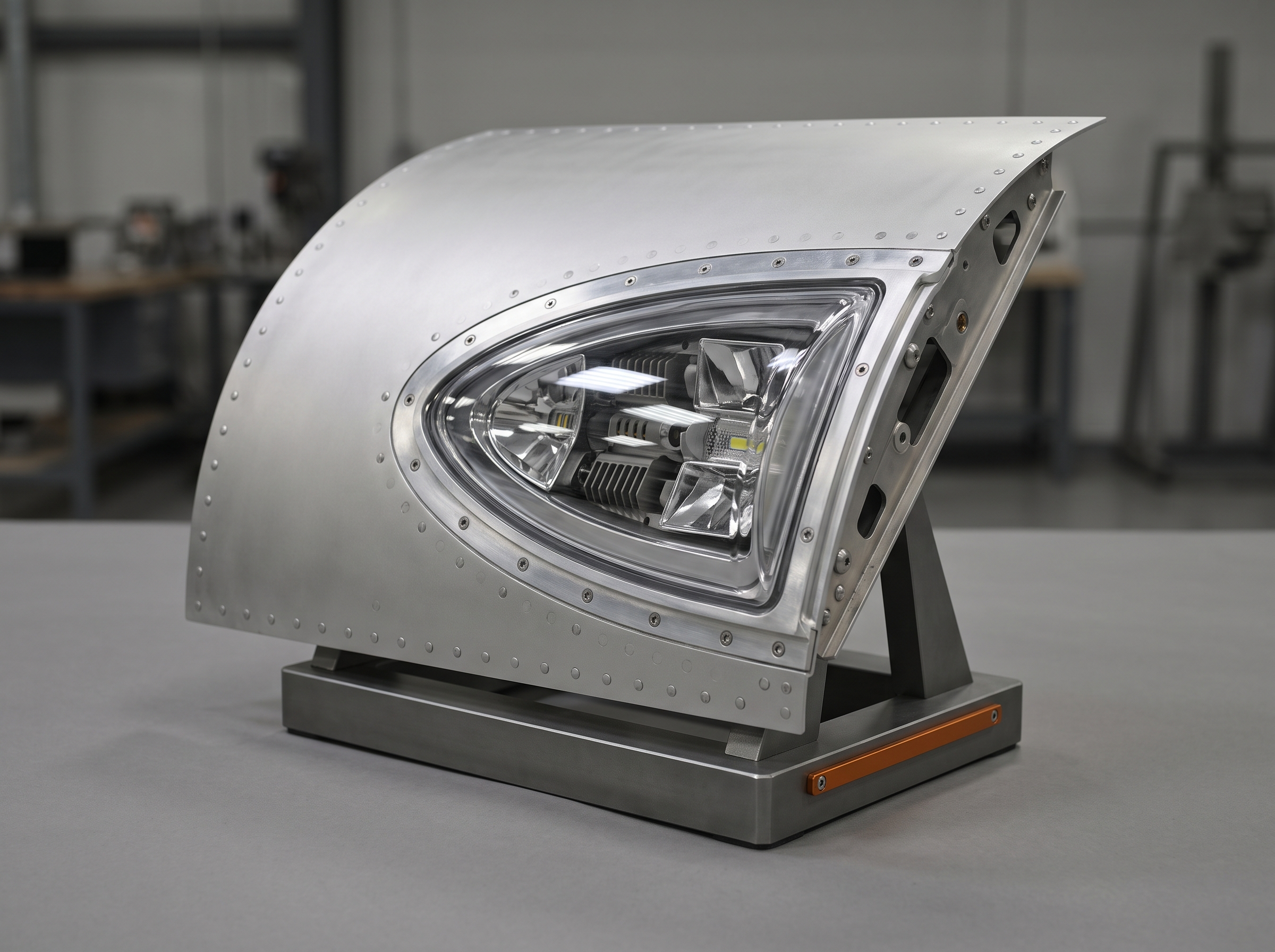
AESA architecture also places heavy demands on the electronics behind the array. Large numbers of electronically controlled transmit-receive elements provide rapid beam steering, but performance depends on radio-frequency components, power electronics, thermal management, calibration, signal processing, software, and stable power delivery. Production and support therefore extend well beyond fabrication of the visible radar face.
That gives the proposed cooperation a wider industrial footprint. If the programme moves towards UK adoption, suppliers could be involved in RF electronics, processing hardware, test equipment, mechanical integration, software engineering, and support. The division of work between Australian and British industry will determine how much of that capability can be manufactured, modified, and sustained in the UK.
Testing and assurance are likely to be particularly important because radar capability changes over time. Waveforms, signal processing, tracking logic, electronic-protection techniques, threat libraries, and interfaces can all be updated through software, meaning service support has to cover configuration control and verification throughout the system’s life rather than only during initial acceptance.
Intellectual-property access will sit alongside that engineering work. A customer can operate an imported radar without holding authority to modify every part of the design, but sovereign upgrade and integration ambitions depend on clear access to interfaces, technical data, test evidence, and software responsibilities. Those boundaries will affect how quickly UK-specific changes can be introduced and who carries the engineering risk.
CEA Technologies gives Australia an established domestic radar design and manufacturing capability, while the UK already has a substantial defence-electronics, systems-integration, and test base. The proposed model therefore links an existing Australian sensor family with British integration and assurance expertise rather than beginning with a clean-sheet radar development.
Industrial participation will also depend on production scale. A small integration programme supports a different supplier model from a fleet-wide procurement, particularly for specialised RF components and test equipment where tooling, calibration, and qualification costs have to be spread across relatively few units.
The two governments have also linked the work to supply chain and export opportunities, although those ambitions remain conditional on later programme decisions. Before production or export activity can be defined, engineers will need to establish the UK requirement, target platforms, interface standards, qualification route, support model, and allocation of design authority.
That sequence should keep the distinction between cooperation and procurement clear. Statements of intent can open access between national industrial bases, but they do not remove the cost and time associated with integration, safety evidence, electromagnetic compatibility, cybersecurity, or platform qualification.
The next milestones will therefore be technical rather than ceremonial: defining configurations, selecting where the radar could be used, establishing assurance plans, and allocating production responsibilities. CEA’s technology provides a starting point; the programme will become materially different only when allied access is converted into a qualified, supportable UK configuration.