IN Brief:
- Boeing has received a $636.1m modification covering performance-based logistics for Apache airframe components.
- Scope includes depot repair, consumables, test equipment, retrograde infrastructure, obsolescence management, and supply-chain support.
- The modification lifts the cumulative contract value to approximately $1.13bn and runs through April 2029.
Boeing has received a $636.1m US Army contract modification covering performance-based logistics support for AH-64 Apache airframe components, extending depot repair, component supply, obsolescence management, and supply-chain services through April 2029.
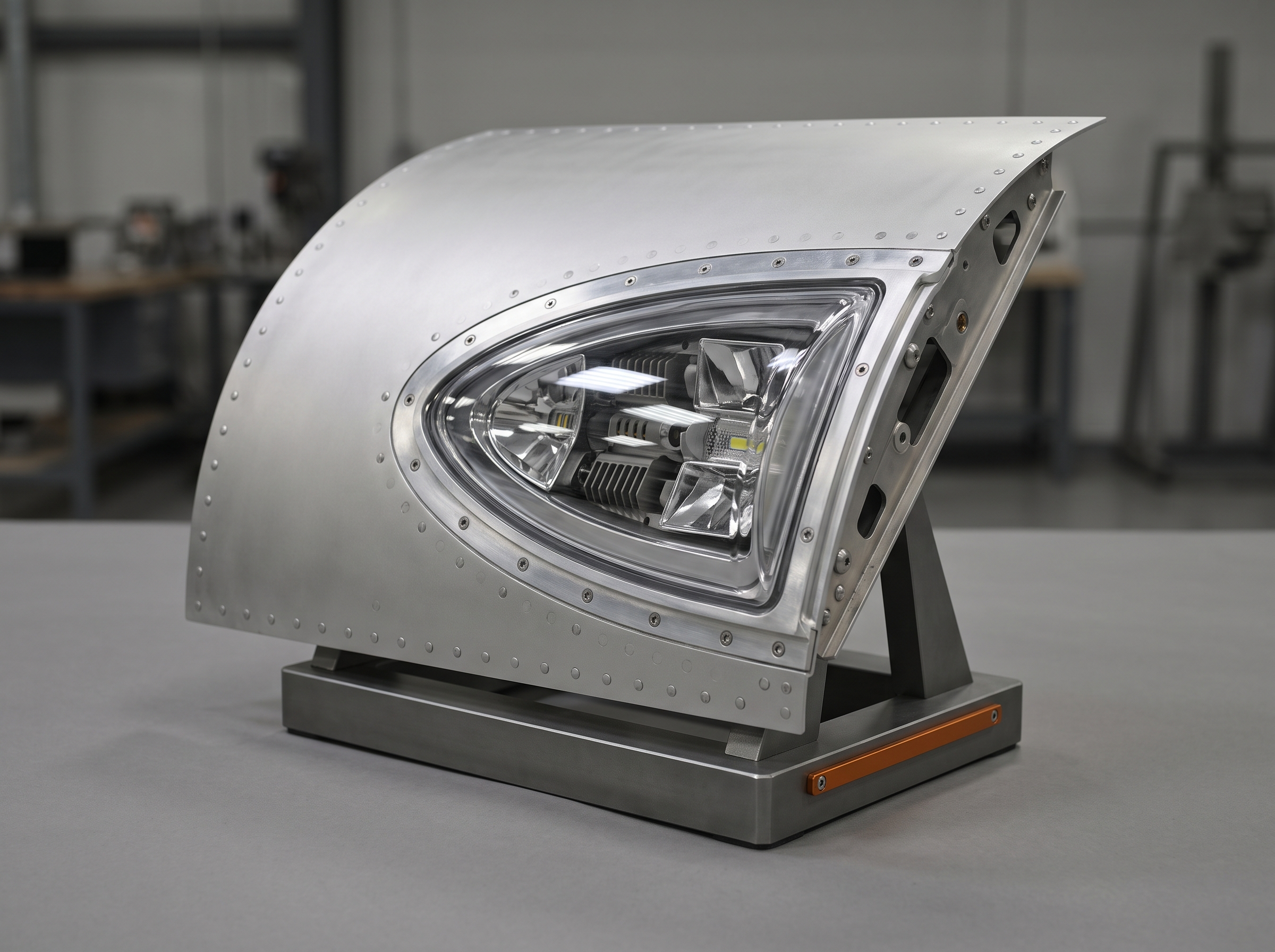
The modification, PZ0022 to contract W58RGZ-24-C-0028, covers depot-level repair of complex components, wider system-component support, unique consumable items, test equipment, supply and retrograde transmission infrastructure, obsolescence management, and supply-chain management. It takes the cumulative face value of the contract to approximately $1.13bn.
Work will be performed in Mesa, Arizona, with $506.3m in fiscal 2026 Army working-capital funds obligated at award. The scale of the action reflects the support burden behind a mature attack-helicopter fleet, where aircraft availability depends as much on repair pipelines, spares, and supplier continuity as on new production or capability upgrades.
Performance-based logistics changes the way that burden is managed. Rather than buying individual repairs or parts as separate transactions, the Army contracts for defined support outcomes across a broader group of components. Boeing lists performance-based logistics, integrated fleet support, depot maintenance, modifications, and training among its Apache support services, placing the contractor across several stages of the sustainment chain.
The latest modification is focused on airframe components rather than weapons, sensors, or newly built helicopters. Boeing says more than 1,300 Apaches operate globally and that the fleet has accumulated more than 5.3 million flight hours. That scale creates a long-running demand for inspection, repair, replacement, configuration control, and engineering support across parts that can remain in service for decades.
Depot-level repair is the deepest maintenance tier covered by the award. Components sent to depot can require specialist tooling, engineering data, inspection equipment, and qualified repair processes that are not available at operational units. Returning those items to service quickly affects aircraft availability, while each repair organisation must also decide when a component remains economical to restore and when replacement or redesign is the better option.
The contract’s reference to supply and retrograde transmission infrastructure covers the movement that makes those repairs useful. Serviceable components have to reach operating units, while failed items travel back through the repair network. Delays in either direction can leave aircraft waiting for parts even when sufficient inventory exists elsewhere in the system.
That problem becomes harder when several components depend on the same repair capacity or when demand rises across deployed and training fleets at the same time. Performance-based arrangements give the contractor an incentive to manage inventory, transport, and repair throughput as a connected system rather than treating each shortage as an isolated event.
Obsolescence management addresses a different risk. The Apache has evolved through several generations while electronics, materials, manufacturing processes, and specialist suppliers have continued to change. A part can become difficult to support because a sub-tier manufacturer stops producing it, a material disappears from the market, or the test equipment needed to certify a repair reaches the end of its own service life.
Identifying those risks early allows the support organisation to qualify alternatives, redesign components, or buy additional stock before a shortage affects aircraft availability. Waiting until the final source disappears usually turns a manageable engineering change into an urgent procurement problem.
The logistics system also has to remain aligned with Apache modernisation. Boeing continues to develop the AH-64E and longer-term upgrade concepts around processing, crew interfaces, open architecture, and other changes. New capability adds operational value only if the underlying airframe, repair network, and component supply remain dependable enough to generate flying hours.
Modernisation can initially make sustainment more complicated. New equipment is introduced while older configurations remain in service, expanding the range of parts, technical data, software, and test equipment that support organisations must manage. Standardisation may improve later, but mixed fleets often carry a larger logistical burden during the transition.
The three-year support horizon gives Boeing and lower-tier suppliers more visibility for labour, tooling, inventory, and repair-capacity decisions. That matters where specialist processes or components have few alternative customers and suppliers need confidence that demand will persist before adding equipment or qualified staff.
The $636.1m modification therefore funds the infrastructure that keeps existing helicopters available rather than adding aircraft to the fleet. By April 2029, its practical measure will be whether repair times, component availability, and supply-chain resilience are strong enough to keep Apache readiness from being constrained by the parts behind the aircraft rather than the systems fitted to it.