IN Brief:
- Australia is investing more than A$129 million in a five-year Anzac-class sustainment arrangement led by Babcock.
- Babcock and Saab will combine platform, combat-system, engineering, spares, and asset-management expertise.
- The contract supports the remaining Anzac service period as Australia restructures its future surface-combatant fleet.
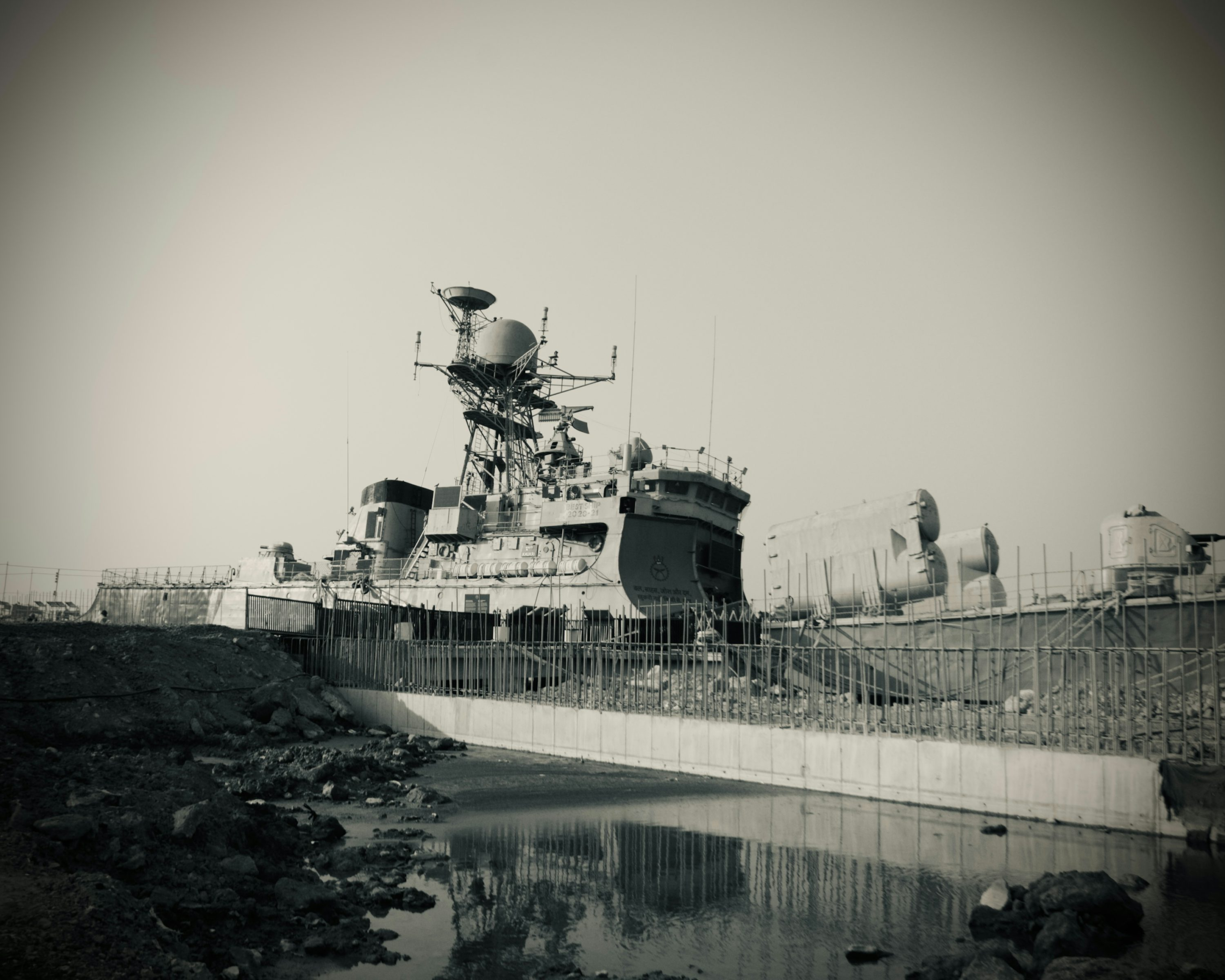
Babcock Australasia, working with Saab Australia, has been selected to manage engineering, supply chain, and asset-management support for the Royal Australian Navy’s Anzac-class frigates under a new five-year Capability Life Cycle Manager arrangement.
The Australian Government is investing more than A$129 million in the sustainment arrangement, while Babcock describes its own five-year contract at around A$117.5 million. The two figures relate to the same transition to a Capability Life Cycle Manager model, with Defence setting out a broader investment figure and Babcock reporting the value of its contract. The work covers engineering, spare-parts supply, and asset management, and will support more than 70 defence-industry jobs in Western Australia and New South Wales.
Babcock will deliver the programme with Saab Australia, combining platform sustainment and fleet-management expertise with long-standing knowledge of the Anzac combat system. Both companies have already supported the class through the Warship Asset Management Agreement at Henderson, Western Australia, while Babcock is also the Regional Maintenance Provider West for Royal Australian Navy vessels maintained at the precinct.
The new structure puts lifecycle coordination across engineering, spares, and asset management under a clearer management model rather than treating each activity as an isolated support package. Defence said Babcock will work with small and medium-sized companies and act as a single point of contact for spare-parts supply and asset management, providing a route for work to flow through a wider Australian industrial base.
The five-year award arrives as Australia reshapes its surface-combatant fleet while keeping the Anzacs operational. The 2024 Naval Shipbuilding and Sustainment Plan established a long-term approach to continuous shipbuilding and sustainment, while subsequent planning has included the Hunter-class frigate programme and the enhanced Mogami-class general-purpose frigate as part of the future force structure.
Running an ageing in-service class alongside incoming replacements puts additional pressure on maintenance planning, configuration control, engineering authorities, and the availability of repairable components. The requirement is not simply to keep hulls operating until a nominal retirement date; combat systems, communications, sensors, machinery, and support equipment all have to remain serviceable while the fleet around them changes.
Saab’s position in the arrangement reflects that systems dimension. The company provides the Australian Combat Management System and has been involved in Anzac combat-system development and support for decades. Placing that knowledge alongside Babcock’s asset-management and maritime-maintenance responsibilities gives the sustainment organisation a closer connection between platform condition, combat-system requirements, and the supply decisions needed to maintain availability.
Babcock’s Regional Maintenance Provider West role gives the contract a direct link to the wider Henderson sustainment model. Its existing responsibilities include maintenance planning, technical services, supplier coordination, and verification of maintenance delivery across several Navy classes. Extending a lifecycle view across the Anzacs creates a mechanism for linking engineering priorities with maintenance schedules and parts availability throughout the remaining service period.
Australia has increasingly framed naval sustainment as a continuous industrial workload rather than a succession of individual maintenance events. Long-term demand is intended to support workforce development, supplier investment, and more stable maritime-engineering capacity, particularly around Henderson and other established naval precincts.
A five-year CLCM contract offers suppliers a firmer planning horizon, although the effectiveness of the model will depend on how consistently work reaches the wider industrial base and how well engineering information is shared between Defence, the prime contractors, and subsystem suppliers. Parts availability alone cannot guarantee readiness if configuration data, maintenance planning, and system knowledge become fragmented as a class approaches withdrawal.
The remaining Anzac fleet will eventually give way to newer surface combatants, but its engineering burden does not disappear while those replacements are being introduced. Babcock and Saab have been given five years to coordinate the platform, systems, and supply activity required to keep the frigates available through that transition.