IN Brief:
- Agenium Group has become a wholly owned subsidiary of MBDA-owned GDI Simulation.
- The combined business brings together synthetic environments, live and virtual training, experimentation, and AI capability.
- Around 120 employees will form a broader simulation operation spanning land, air, sea, and space requirements.
GDI Simulation, the MBDA-owned defence simulation specialist, has acquired Agenium Group, bringing synthetic-environment generation, artificial intelligence, software, and training-system expertise into a combined organisation of around 120 employees.
Agenium has become a wholly owned subsidiary of GDI Simulation. MBDA said the transaction will combine the companies’ existing activities, technologies, industrial partnerships, and geographic positions, with the enlarged business covering simulation for study, experimentation, and live and virtual training across land, air, sea, and space applications.
The acquisition broadens the technical chain available within one organisation. Military simulation systems depend on environmental databases, behavioural models, sensors, software, networking, visualisation, hardware interfaces, instructor systems, scenario tools, and long-term support, rather than on the simulator presented to an operator alone.
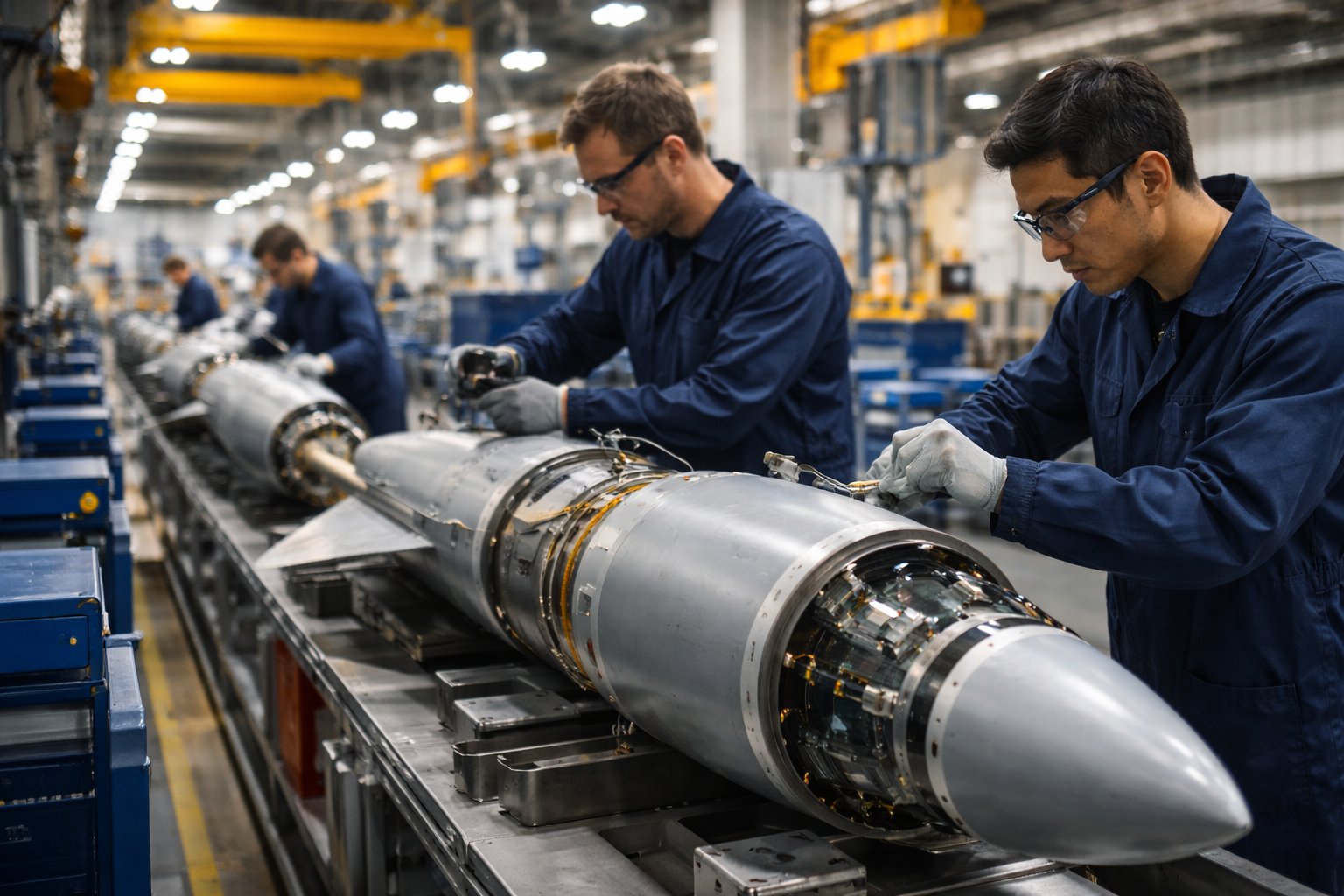
GDI already develops training and experimentation systems and says it works across the full lifecycle from research and development through production and support. Its engineering covers mechanical, electronic, photonic, real-time software, modelling, and virtual 3D simulation, with equipment ranging from individual training systems to instrumented solutions for vehicles, weapons, drones, and counter-drone equipment.
Agenium brings a different concentration of specialist technologies, including synthetic environments, systems simulation, image processing, software, and artificial intelligence. MBDA said Agenium’s AI capability will be extended into GDI’s products and solutions, giving the combined organisation scope to use common software and modelling assets across a wider range of training and experimentation programmes.
That software base can be useful beyond conventional operator training. Synthetic environments can support engineering studies, concept evaluation, mission rehearsal, system integration, sensor assessment, and experimentation, provided models are sufficiently representative and controlled. A terrain, target, or sensor model developed for one activity can potentially be reused elsewhere instead of being rebuilt for each programme.
Reuse is only valuable when the underlying data and software remain trustworthy. Defence simulation teams have to control versions, interfaces, cybersecurity requirements, and the assumptions built into models, particularly when simulation results start feeding into decisions about real equipment or operational procedures.
The acquisition also places more of that work inside a company owned by a major missile-system manufacturer. MBDA’s interest in simulation extends beyond training operators to experimentation, development support, and integration around increasingly networked weapons. Maintaining synthetic representations of platforms, sensors, threats, and weapons can shorten some test cycles, although physical trials remain necessary where performance and safety have to be demonstrated.
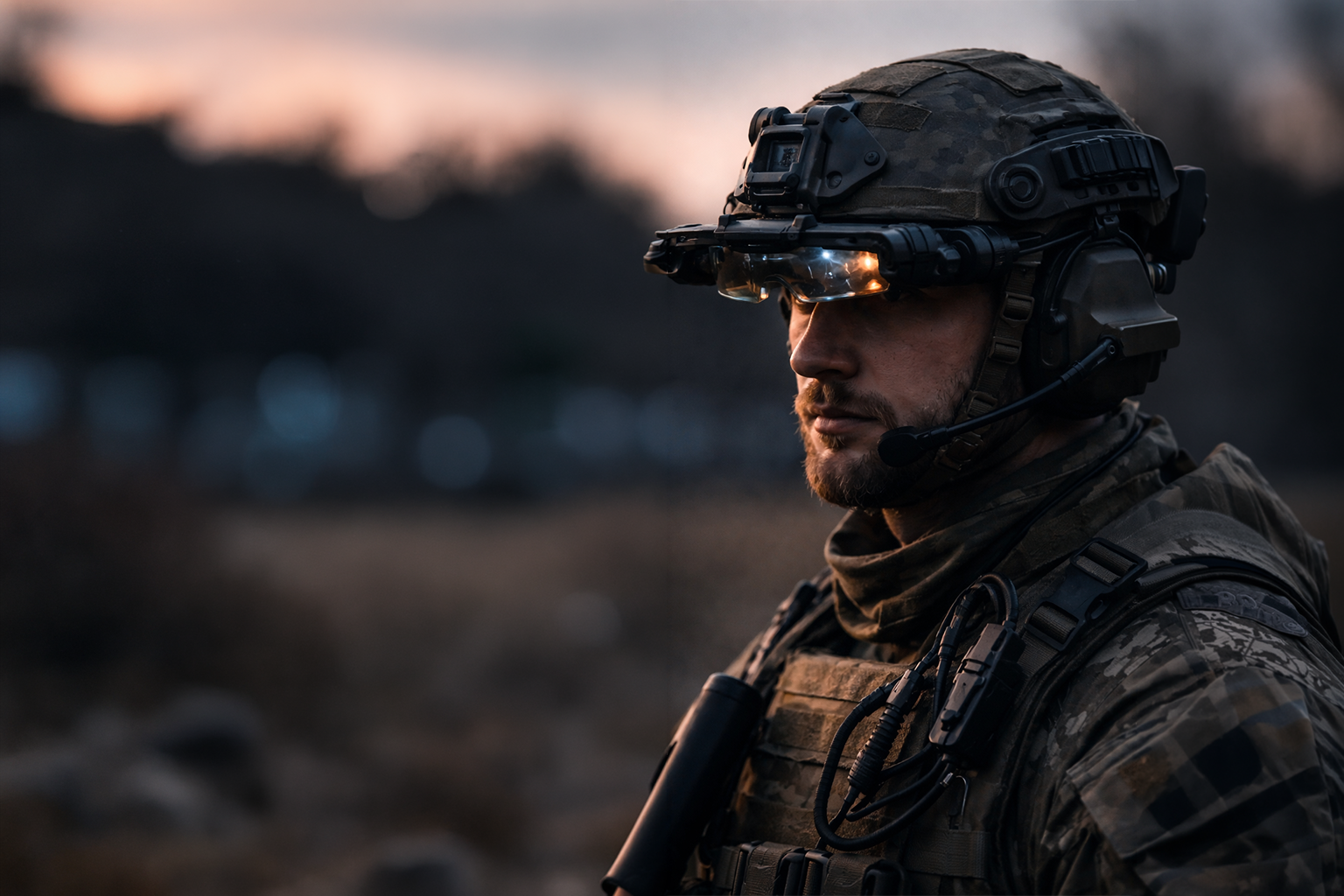
GDI’s existing product range includes instrumented combat-training systems designed to reproduce weapon effects and battlefield conditions during exercises. Its website lists solutions for infantry, armoured vehicles, heavy machine guns, missile firing posts, improvised explosive devices, grenades, drones, jammer rifles, and precision weapons, supported by both physical instrumentation and virtual simulation where required.
Agenium’s software and AI assets give the business another route into the processing side of those systems. AI can be used for image processing, behavioural modelling, scenario support, and data analysis, but defence applications bring requirements around validation, repeatability, security, and operation on restricted networks that commercial software does not automatically satisfy.
The enlarged company remains comparatively small by prime-contractor standards. A workforce of around 120, however, is material in a specialist simulation business where value is concentrated in software, systems engineering, modelling, integration, and product knowledge rather than large-volume assembly labour.
Combining the teams could also reduce the number of technical hand-offs across a programme. Synthetic environments developed by one organisation can be integrated more closely with hardware and training products built by another part of the same group, although the practical benefit will depend on whether development tools, data structures, engineering processes, and security architectures can be harmonised.
The companies have not disclosed a transaction value or identified the first customer programme that will use the combined portfolio. The immediate change is therefore organisational: Agenium is now owned by GDI, and MBDA has a larger simulation subsidiary with broader software and AI capability.
The more useful test will come from programme delivery. If Agenium’s synthetic environments and software appear inside GDI training and experimentation systems without creating parallel technology stacks, the acquisition will have expanded the company’s industrial capability rather than simply its headcount.