IN Brief:
- GE Aerospace has agreed to acquire Consolidated Precision Products for $11.75 billion.
- CPP employs about 6,600 people across more than 20 facilities and produces precision castings for commercial, defence, and power applications.
- The acquisition targets qualified casting capacity as aerospace and military programmes compete for complex airfoils and structural components.
GE Aerospace has agreed to acquire Consolidated Precision Products for $11.75 billion, bringing a major producer of aerospace and defence castings into its manufacturing network as engine, aircraft and weapons programmes compete for specialised production capacity.
CPP is being acquired from Warburg Pincus and Berkshire Partners. GE Aerospace plans to finance $7 billion of the purchase price in cash and the balance through new debt, with completion expected during the second half of 2027 subject to regulatory approvals and customary closing conditions.
The transaction would bring roughly 6,600 CPP employees and more than 20 facilities into GE Aerospace. The two companies already have a long relationship: GE has been a CPP customer for more than 15 years, so the acquisition internalises an established supplier rather than creating a new production link.
CPP manufactures investment and precision sand castings in superalloys, titanium, aluminium, magnesium and steel. Its products serve commercial aircraft, military aircraft, helicopters, weapon systems and power-generation equipment, placing the company several tiers down from headline platform assembly but directly inside some of the industry’s harder-to-expand manufacturing processes.
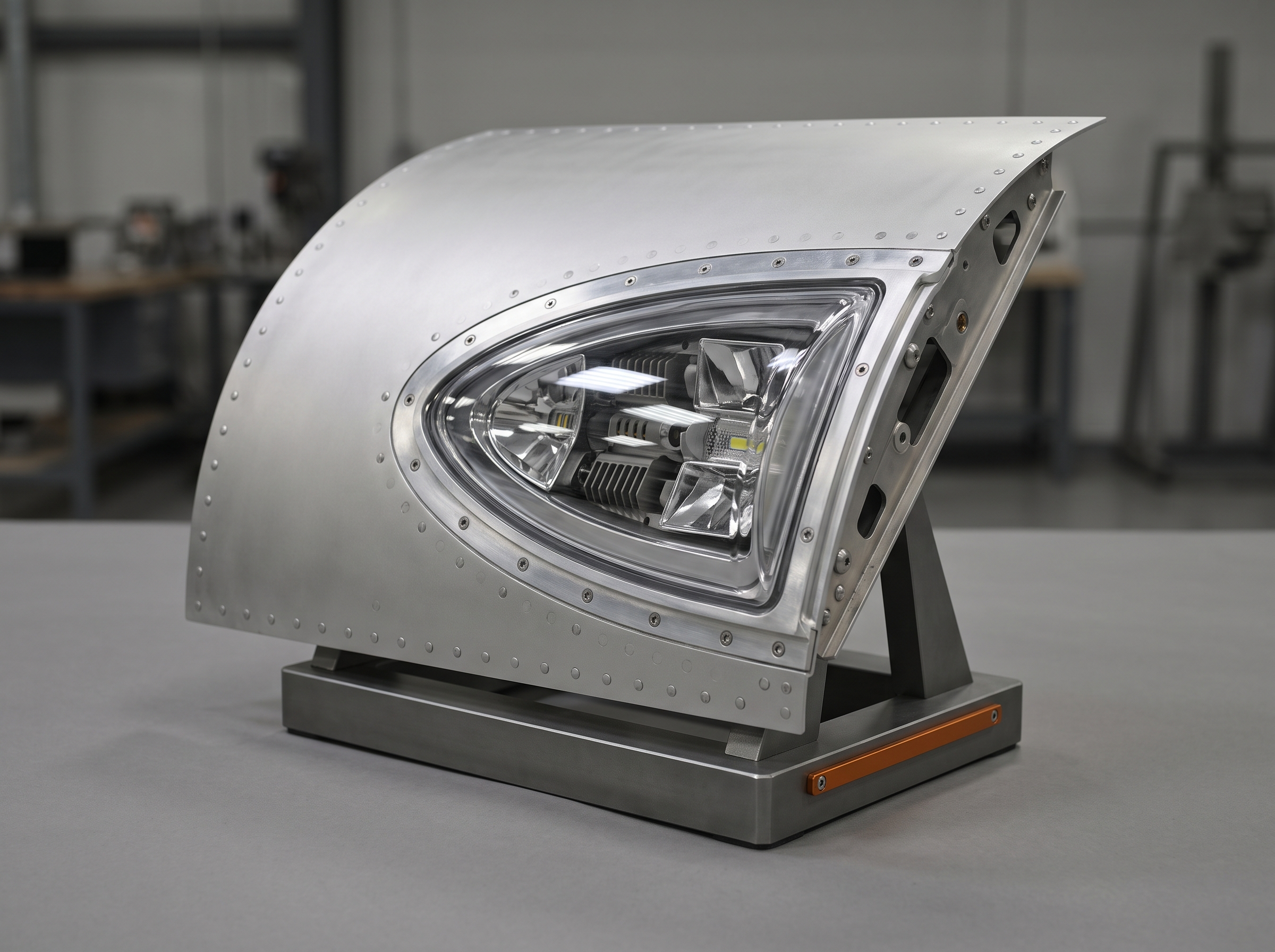
Advanced casting is important because many aerospace components cannot be replaced by simpler machined parts without changing weight, geometry, temperature capability or structural performance. Investment casting can create thin walls, internal passages and complex shapes that would be difficult or wasteful to produce from billet or forging.
Turbine airfoils sit at the demanding end of that process. Blades and vanes in hot engine sections operate under extreme temperature and mechanical loads, requiring tightly controlled alloys, moulds, ceramic cores and solidification processes. Directionally solidified and single-crystal techniques remove or control grain boundaries to improve performance, but they also increase manufacturing complexity.
CPP is among the relatively small number of suppliers able to produce complex directionally solidified and single-crystal airfoils for military engines. Its wider defence portfolio includes engine frames, bearing housings, gearboxes, missile bodies, pump housings and structural components used across aircraft, guided weapons, ground systems and naval platforms.
Structural casting introduces a different set of challenges. Large titanium, steel or nickel-alloy components have to meet dimensional and material-integrity requirements across complex geometries, while aluminium and magnesium sand castings are used for housings and load-bearing structures where weight and manufacturability are important.
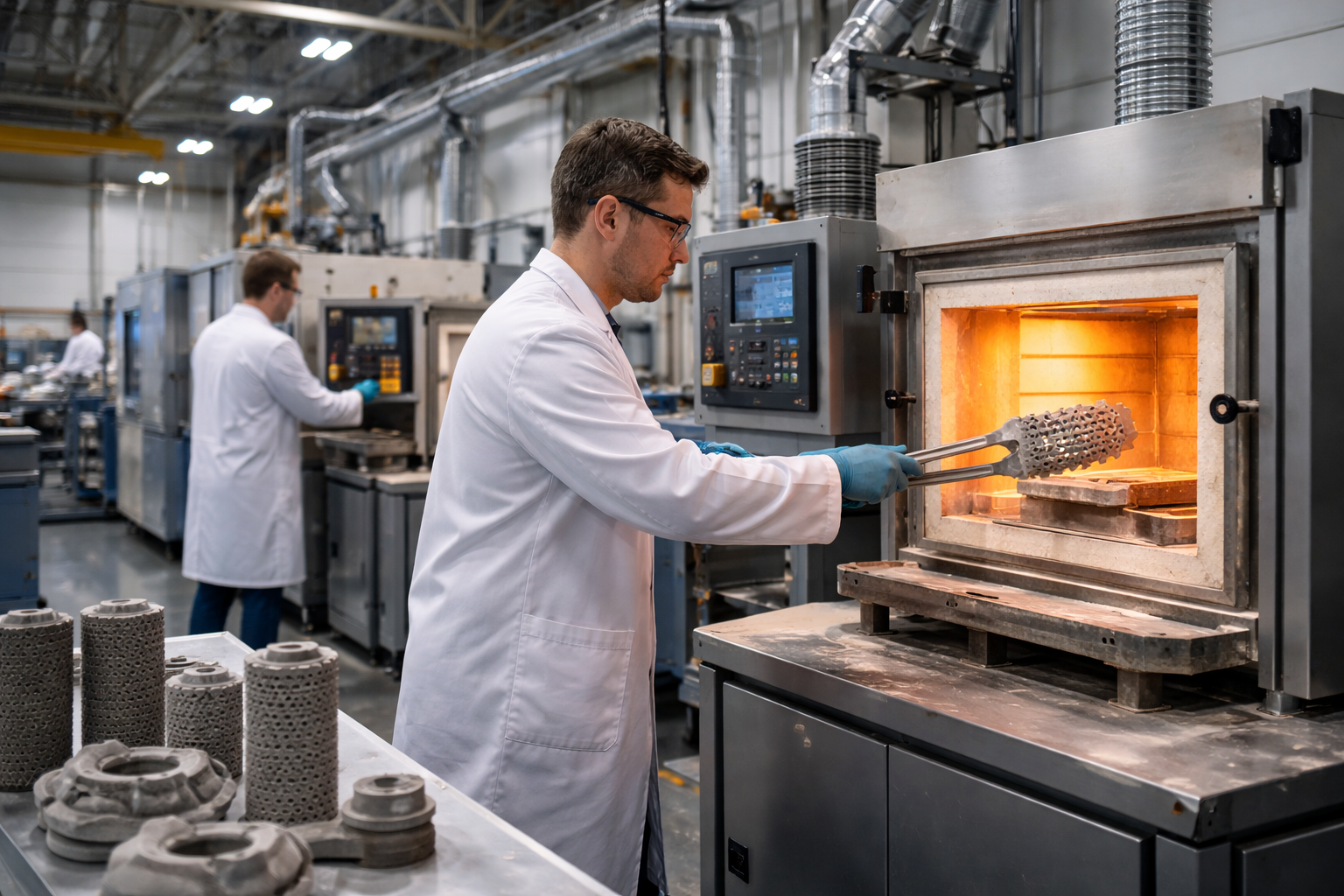
Those processes make qualified capacity difficult to replace quickly. A supplier needs furnaces, tooling, mould and core capability, inspection equipment, heat treatment and experienced process engineers, but installed equipment alone is not sufficient. Customers also have to approve the process used to manufacture each critical part.
Moving a flight- or mission-critical casting to another site can therefore require new qualification work even where the alternative facility has similar machinery. That makes yield and throughput at existing approved plants particularly important when aircraft or engine production rates increase.
GE Aerospace is buying CPP against that background. Commercial-engine output, aftermarket demand and defence programmes are rising at the same time, increasing pressure on some of the same specialist casting suppliers. Additional capacity in one market cannot always be separated cleanly from another when furnaces, alloys, cores and engineering resources are shared.
The acquisition gives GE closer control over one layer of that supply chain. Design and casting engineers can work within the same corporate structure, potentially allowing manufacturability issues to be addressed earlier when airfoils or structural components are developed for new engine configurations.
Vertical integration can also make capital allocation easier. A component supplier evaluating a new furnace, core line or inspection cell normally has to balance demand from several customers and programmes. GE will be able to direct investment towards CPP capacity it considers strategically important to its own engine and systems portfolio.
CPP has already expanded upstream into alloy melting, ceramic-core technologies and wax-pattern production. Its master-melt facilities support the supply of vacuum-melt alloys to casting operations, while its core capability includes complex structures used to create internal cooling passages in turbine airfoils.
That upstream integration matters because increasing casting output can expose shortages before metal reaches the mould. Alloy availability, ceramic cores and wax patterns all influence production flow, and a shortage in any one area can leave expensive casting equipment waiting for material or tooling.
The company also supplies customers other than GE Aerospace. Continued access for those programmes will remain commercially important after the acquisition because CPP components are used across a broad range of defence and commercial platforms. GE has said it expects to continue relying on its wider supplier network even after bringing CPP inside the group.
The transaction is valued at roughly 18 times CPP’s expected 2027 EBITDA including anticipated net synergies, or about 26 times without them. GE expects the deal to add to adjusted earnings per share and free cash flow during the first year after completion, excluding one-off costs and acquisition-related amortisation.
Those financial assumptions ultimately depend on manufacturing performance. Casting output cannot be increased simply by pushing more material through a plant if scrap, rework or inspection failures rise at the same time. Yield is particularly important for high-value airfoils and structural parts where each rejected casting has already consumed expensive alloy, furnace time and multiple processing stages.
Capacity growth therefore depends on process stability as much as additional floor space. GE intends to apply its FLIGHT DECK operating system to CPP and make further capital investments, with higher output and closer integration between design and manufacturing forming central parts of the acquisition case.
The deal is not scheduled to close until the second half of 2027 and remains subject to regulatory review. Until then, CPP continues to operate as an independent supplier and the expected manufacturing benefits remain prospective.
If the acquisition completes, the first meaningful evidence will come from capacity, yield and delivery performance rather than the purchase price itself. Precision casting rarely attracts the attention given to a new fighter, missile or engine, but a shortage of qualified castings can hold all three at the factory door.