IN Brief:
- Boeing has been selected to design, build, and deliver the US Navy's sixth generation F/A-XX.
- The full-scale development award has been reported at about $20 billion.
- Boeing is expanding secure St Louis manufacturing capacity while also developing the US Air Force F-47.
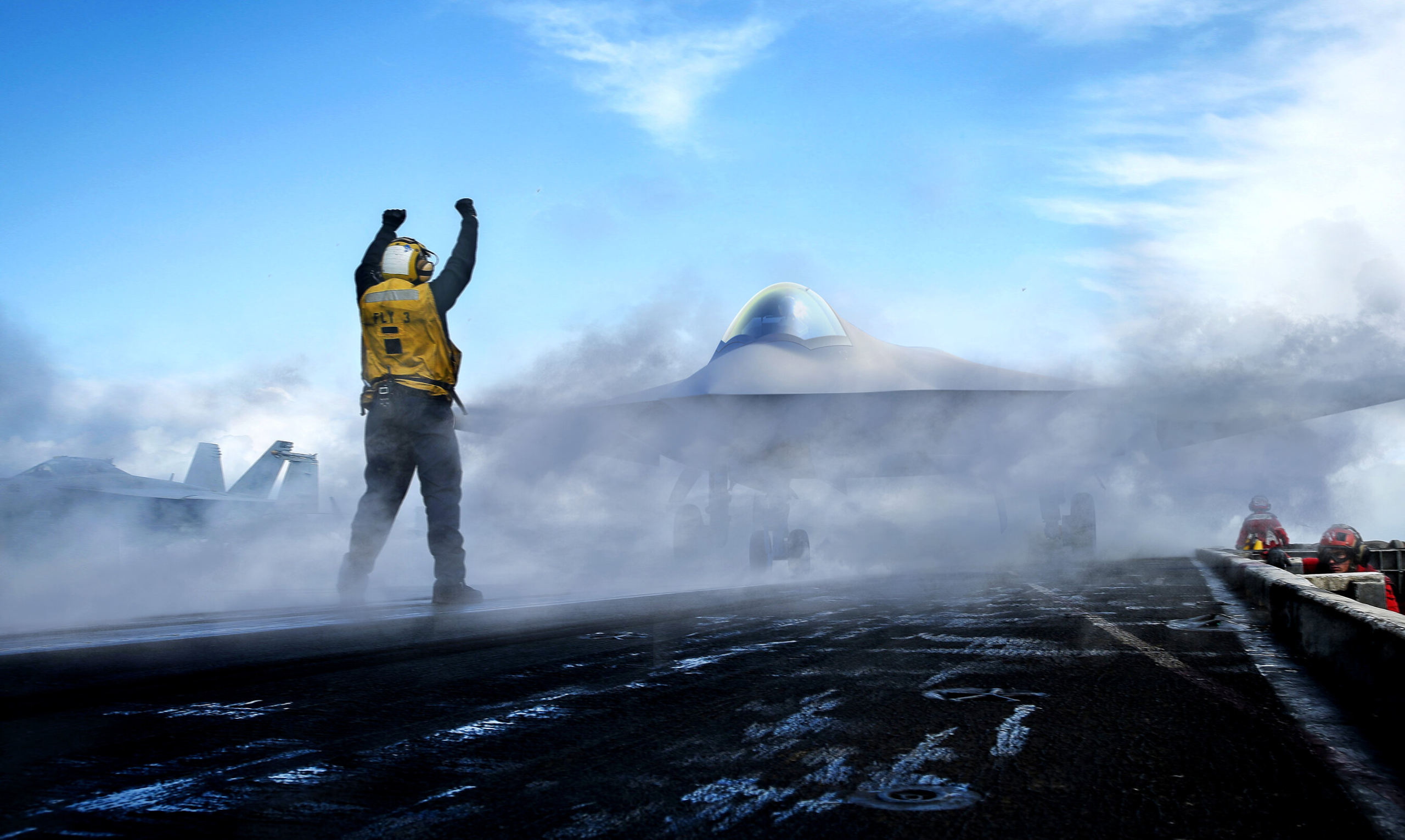
Boeing has been selected to design, build, and deliver the US Navy’s F/A-XX sixth generation carrier fighter, giving the company a second major next generation combat aircraft programme alongside the US Air Force’s F-47.
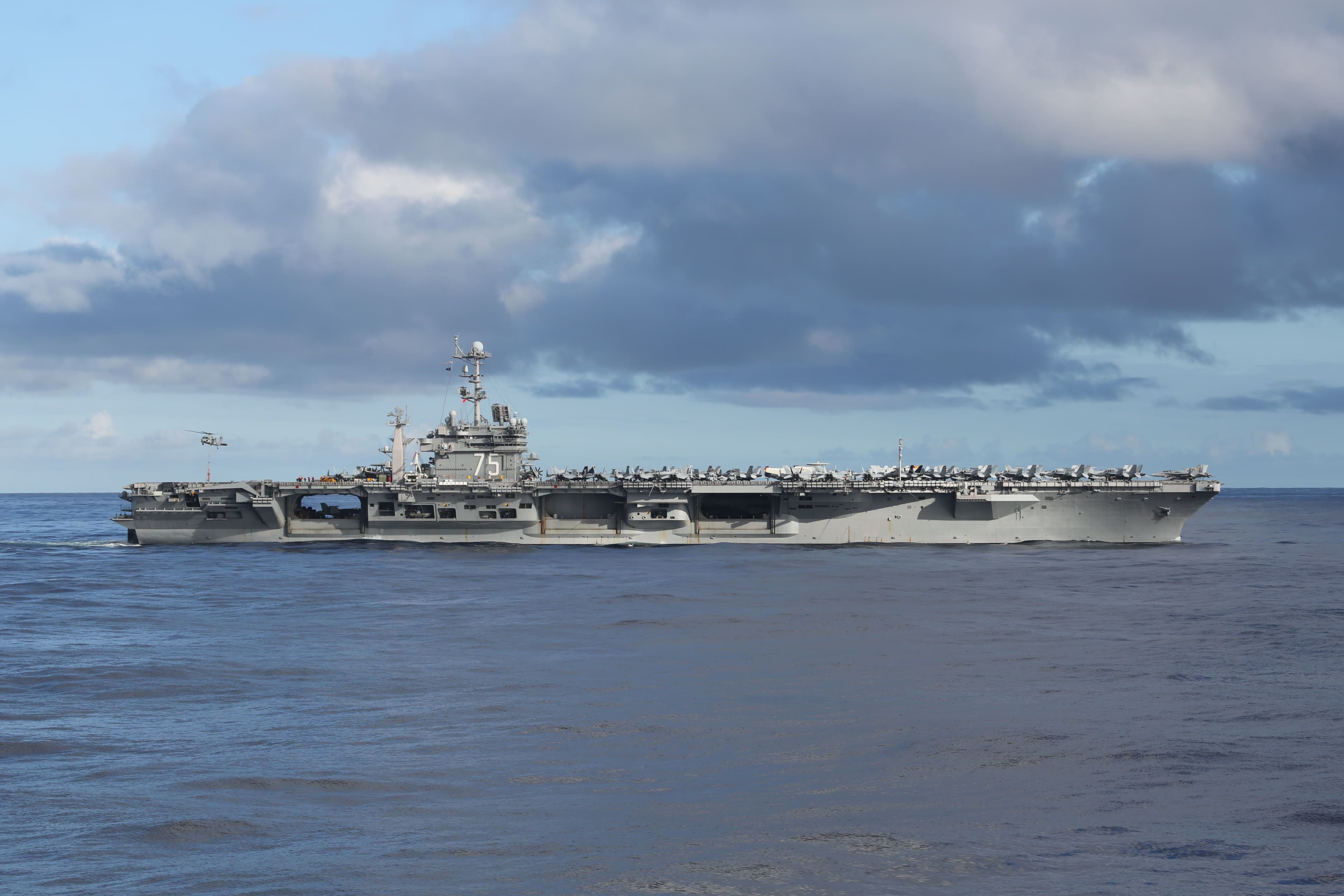
Boeing announced the selection on 29 September and described the award as a contract worth several billion dollars. Technical and programme details remain classified, but the Navy says F/A-XX is intended to replace the F/A-18 Super Hornet and expand operational reach, capacity, and mission-system flexibility for the future carrier air wing.
Reuters reported that the full-scale development award is worth about $20 billion and is intended to produce development and test aircraft, with first production jets expected in the 2030s. Boeing and Northrop Grumman were the remaining competitors before the Navy selected Boeing.
Boeing’s public description identifies open mission systems architecture and advanced mission systems as central features. Those elements point to an aircraft designed for repeated software and hardware change rather than a fixed avionics baseline, although the company has not disclosed specific sensors, propulsion arrangements, weapons loads, performance figures, or the development schedule.
Carrier suitability adds engineering demands beyond those faced by a land-based fighter. The aircraft will have to withstand catapult launches, arrested recoveries, saltwater exposure, deck handling, and repeated high-load operations while remaining maintainable in the restricted spaces available aboard an aircraft carrier. Folding arrangements, structural reinforcement, landing gear, corrosion protection, and deck compatibility all have to be resolved alongside low-observable and aerodynamic requirements.
The selection also places more pressure on Boeing’s advanced combat aircraft operation in St Louis. The company is building a secure manufacturing facility there and says it will form part of an all-digital aerospace design and manufacturing system intended to support multiple future aircraft programmes. Boeing began making those investments before either F-47 or F/A-XX had reached full programme maturity.
That capacity will now have to support two sixth generation fighter efforts in parallel. Boeing is already responsible for F-47 development while continuing work associated with F-15 and T-7 production. F/A-XX adds another classified programme drawing on engineering staff, secure facilities, test infrastructure, specialised tooling, and suppliers able to meet military aerospace quality and security requirements.
Running the programmes together creates some opportunities for common manufacturing methods without implying that the two aircraft share a design. Digital engineering tools, advanced composites, precision machining, low-observable processes, secure data systems, and workforce skills can be developed across the same industrial base, but configuration control and classified programme separation still have to be maintained.
Supplier capacity will be a further constraint. Advanced combat aircraft draw on propulsion, structures, electronics, actuators, thermal management, mission computing, sensors, and specialised materials from companies that may also be supporting existing aircraft and missile programmes. Development schedules can be affected long before final assembly if a qualified supplier cannot expand production or if a component requires redesign and requalification.
Boeing has framed its St Louis investment around that multi-programme workload. The company says the secure facility was planned to support several future combat aircraft franchises, and F/A-XX now gives that strategy a second major programme. The relevant test will be whether design activity can move into prototype and production hardware without one programme consuming the specialist labour or infrastructure needed by the other.
The Navy also has to integrate F/A-XX into a carrier air wing that will continue operating F-35C, Super Hornet, EA-18G Growler, E-2D Hawkeye, helicopters, and developing uncrewed systems. Open mission systems architecture is useful only if sensors, weapons, networks, and software can be added without destabilising the wider aircraft baseline or creating long certification delays.
Most public technical detail will remain limited while the programme is classified. Industrial milestones may therefore provide the clearest indications of progress: expansion of secure facilities, supplier awards, test-article fabrication, ground-test activity, qualification of manufacturing processes, and eventual flight testing. Those steps will show whether the programme is moving from digital design into repeatable hardware.
The F/A-XX selection gives Boeing a central role in both US services’ next generation crewed fighter programmes. It also concentrates execution risk. The company now has to sustain two advanced aircraft developments while maintaining existing military production, and it has to demonstrate that the St Louis industrial system can supply both programmes with secure engineering, skilled labour, qualified suppliers, and production capacity at the pace their customers require.