IN Brief:
- The approximately $189 million contract covers manufacture and delivery of fuel for the US Naval Nuclear Propulsion Program.
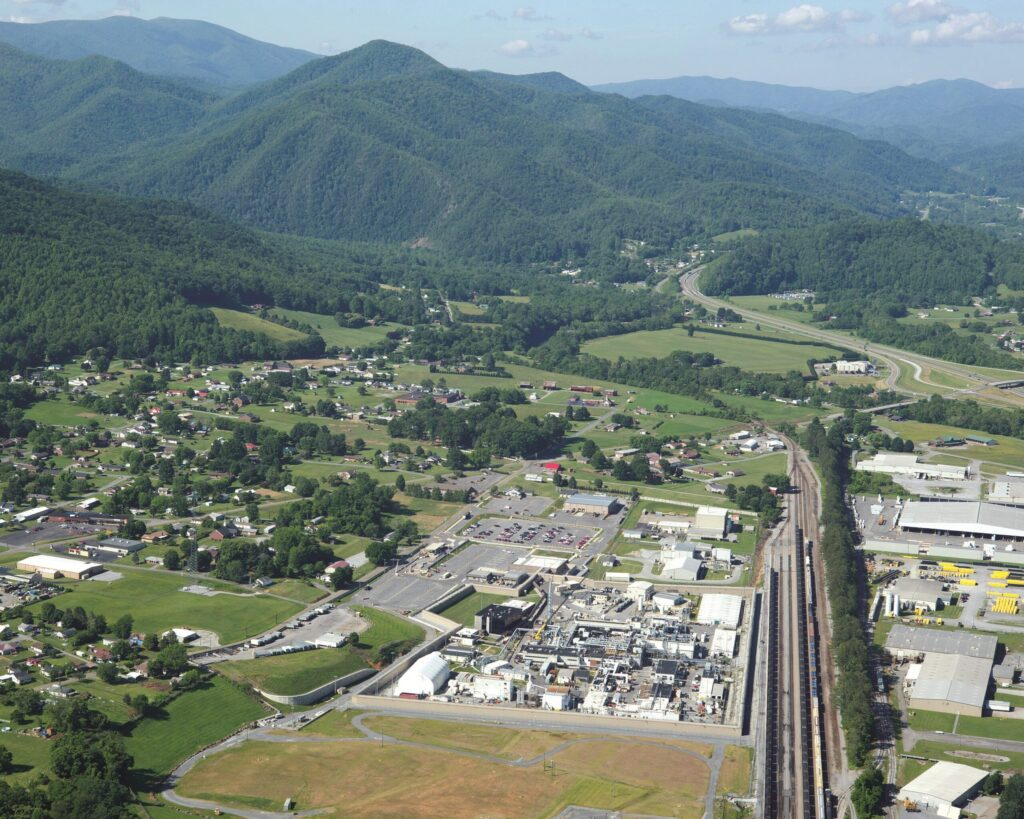
- BWXT subsidiary Nuclear Fuel Services will perform the work at its regulated Erwin, Tennessee facility.
- Contract activity runs through August 2027, extending a naval fuel manufacturing role spanning more than 60 years.
BWX Technologies has secured a contract worth approximately $189 million to manufacture and deliver nuclear reactor fuel for the US Naval Nuclear Propulsion Program, extending work at its Nuclear Fuel Services facility in Erwin, Tennessee, through August 2027.
The contract will be performed by BWXT subsidiary Nuclear Fuel Services, or NFS, which processes highly enriched uranium and manufactures fuel material for naval reactors. The Erwin operation supplies fuel used across the US Navy’s nuclear submarine and aircraft carrier fleets, placing the award within one of the most specialised parts of the naval propulsion industrial base.
BWXT says its fuel and reactors support the Ohio, Virginia, Seawolf, Los Angeles and Columbia submarine classes, together with Nimitz and Ford class aircraft carriers. The latest award does not disclose quantities, vessel allocations or an interim production schedule, making it a continuation of fuel manufacturing capacity rather than a new platform programme.
NFS has supported US Navy fuel manufacture for more than 60 years. The Erwin plant is a Category 1 nuclear facility licensed by the Nuclear Regulatory Commission and is one of two BWXT owned facilities in the United States licensed to store and process highly enriched uranium.
That regulatory position creates a much higher barrier to entry than most conventional defence manufacturing. Naval nuclear fuel depends on controlled material, dedicated process equipment, security arrangements and specialist personnel, while changes to plant or production methods sit inside nuclear safety and licensing requirements.
Continuity of manufacture is therefore significant even when individual awards are smaller than complete submarine or carrier contracts. A gap in fuel production could not be corrected simply by moving work to a general engineering supplier because the infrastructure, licences and workforce behind the process take years to establish and qualify.
The Erwin contract forms part of a broader naval nuclear manufacturing system. BWXT also produces reactor components and other nuclear equipment at several US facilities, meaning fuel, hardware, long lead materials and shipyard schedules have to remain aligned across programmes whose construction and service lives extend over decades.
That industrial base is supporting both existing fleets and the transition to new platforms. Columbia class ballistic missile submarines are entering production while Ford class carriers continue to move through their build programme, adding demand to a system that must also sustain fuel and reactor support for vessels already in service.
Nuclear Fuel Services is simultaneously involved in other federal uranium work. The company converts government material into forms suitable for further processing and is preparing for a separate project to re-establish a domestic uranium enrichment capability adjacent to the Erwin site.
BWXT expects to submit a Nuclear Regulatory Commission licence application for the planned enrichment facility during the first quarter of 2027. The project supports a separate $1.5 billion National Nuclear Security Administration contract and is distinct from the $189 million naval fuel award, but both programmes depend on the same concentration of regulated nuclear skills and infrastructure in Tennessee.
Expanding that capability while maintaining existing production requires careful sequencing. Nuclear facilities cannot add equipment or alter processes at the pace of a conventional factory if the change affects safety analysis, security or licensed operations, and workforce growth has to keep pace with the technical and regulatory demands of the site.
The Erwin operation also carries a substantial assurance burden. BWXT says the plant is subject to federal and state oversight, including a full-time NRC resident inspector, while its safety organisation includes specialists in radiation protection, industrial hygiene, fire protection, environmental monitoring and health physics.
BWXT’s wider defence nuclear portfolio illustrates how scarce those capabilities are. The company is also one of the suppliers selected for the US Army’s Janus microreactor programme, a separate effort that draws on nuclear engineering skills while pursuing a very different reactor and deployment model from naval propulsion.
For the Navy, however, the immediate requirement is repeatable fuel production rather than a new reactor concept. Material processing, quality assurance, security and manufacturing records have to remain consistent across long production cycles because propulsion systems built years apart still operate within the same naval nuclear enterprise.
BWXT announced an approximately $174 million naval fuel contract in October 2025, showing the recurring nature of tasking at NFS. These awards support an ongoing production cycle rather than a succession of new fuel designs, with work released as requirements move through the wider propulsion programme.
The latest contract carries that activity into August 2027 while the industrial base prepares for larger future requirements. Its practical value lies in sustaining a manufacturing capability that cannot be replaced quickly, ensuring highly regulated fuel production remains available as submarine and carrier programmes progress through construction, delivery and long-term service.