IN Brief:
- The first two aircraft from Taiwan’s 66-aircraft F-16 Block 70 order have reached Chihhang Air Base.
- Greenville production has faced software, supply and delivery constraints as the Taiwanese batch moved towards handover.
- Taiwan will now expand acceptance, transition training, maintenance preparation and phased introduction as additional aircraft arrive.
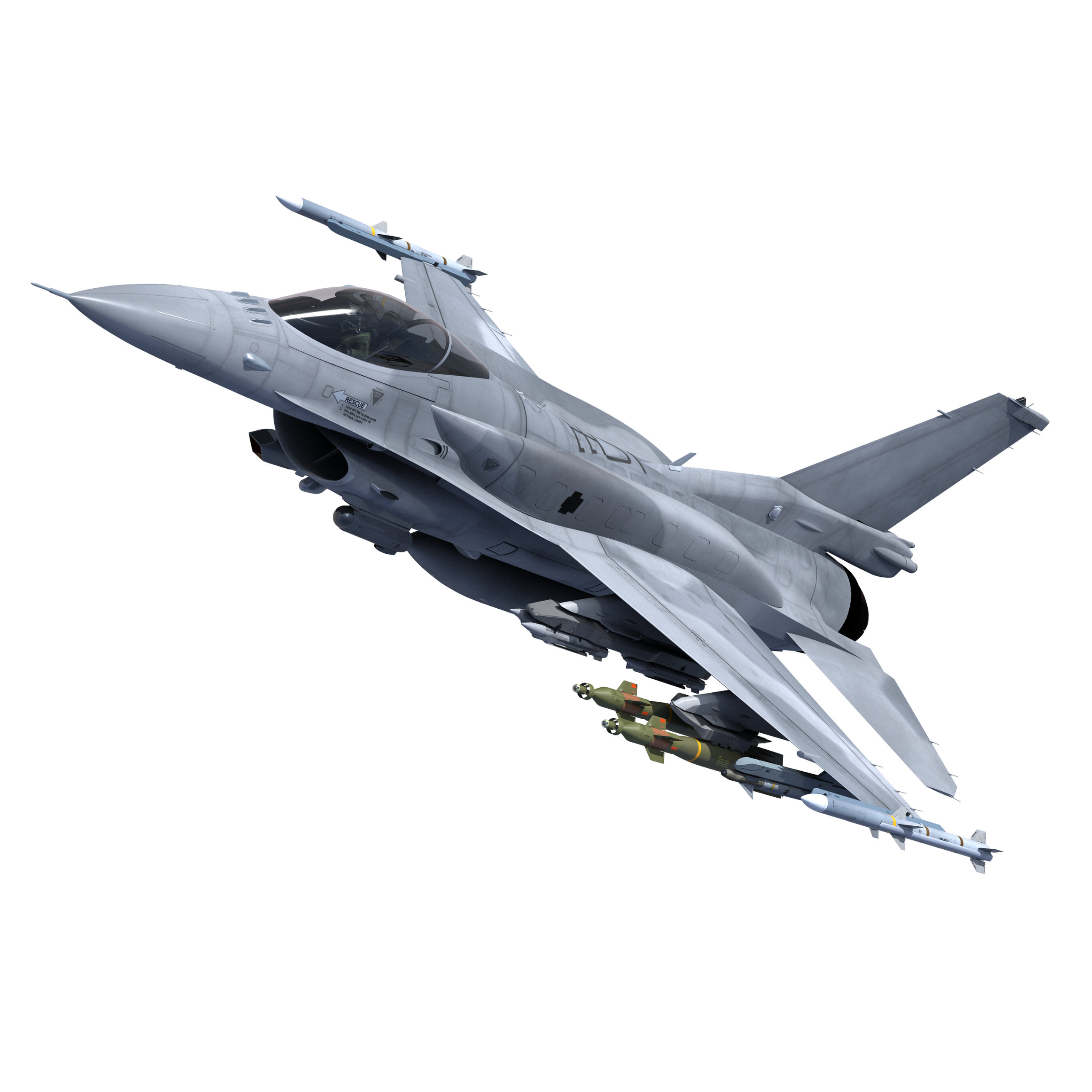
Taiwan has received the first two aircraft from its 66-jet order for new F-16 Block 70 fighters, taking Lockheed Martin from production readiness into physical customer deliveries for the Taiwanese programme.
The aircraft, carrying tail numbers 6727 and 6728, landed at Chihhang Air Base in Taitung on 2 October after crossing the Pacific through Hawaii and Guam. Additional fighters have reached delivery readiness and are expected to follow as flight testing, customer acceptance and ferry activity continue.
Taiwan ordered 66 new-build aircraft in 2019 under a programme valued at around US$8 billion. Deliveries subsequently moved behind the original timetable as manufacturing, software and supply constraints affected the programme.
The aircraft are produced at Lockheed Martin’s Greenville operation in South Carolina, where F-16 manufacture was re-established after the production line moved from Fort Worth, Texas. That relocation required tooling, production processes, material flows, skilled labour, flight test capability and supplier arrangements to be recreated around an aircraft family that remains in international production.
Greenville now supports several customer programmes rather than a single Taiwanese batch. Structures, engines, radar equipment, mission computers, electronic warfare hardware, wiring, landing gear, cockpit systems and other controlled components must reach final assembly in sequence before each aircraft can proceed through ground test, flight activity, acceptance and delivery.
The first Taiwanese arrivals follow the delivery readiness milestone reached at the end of September. The new development is therefore the completion of the trans-Pacific delivery process and the beginning of customer-side acceptance and fleet introduction rather than another report on aircraft waiting in the United States.
The Block 70 configuration incorporates Northrop Grumman’s APG-83 active electronically scanned array radar, upgraded mission computing, modern cockpit equipment and an airframe designed for a structural service life of 12,000 hours.
Those specifications place substantial responsibility on manufacturing quality. Airframe structures, electronics, hydraulic systems, wiring and installed mission equipment must remain traceable through production, while customer-specific configuration changes have to be controlled so each aircraft reaches flight test in the approved standard.
Taiwan already operates an extensive F-16 fleet, but its existing F-16Vs were created by upgrading earlier F-16A/B aircraft. The newly arriving Block 70s are fresh production airframes and consequently add a new manufacturing stream rather than extending the established upgrade programme.
Customer infrastructure must now expand alongside aircraft output. Taiwan has established the 7th Tactical Fighter Wing for the new fighters and has been sending pilots and maintenance personnel through transition training.
Ground support equipment, spares, maintenance data, software management and weapons support also have to be ready as deliveries increase. An aircraft arriving without the corresponding maintenance and technical infrastructure would add little operational capacity until those systems caught up.
The central production measure is therefore the rate at which subsequent fighters leave Greenville rather than the arrival of the first pair. A factory can have aircraft at different stages of completion while bottlenecks persist in flight testing, customer acceptance, mission equipment or ferry preparation.
Stable delivery depends on those stages operating at compatible rates. If aircraft move rapidly through assembly but queue for specialist equipment or acceptance flights, final output remains constrained regardless of the number of airframes physically present in the factory.
Lockheed Martin has expanded the Greenville production system as the F-16 order book has grown. The site combines new aircraft manufacture with sustainment activity, giving it a continuing role in the aircraft family beyond completion of current customer orders.
The international customer base creates both scale and complexity. Common airframe production can support repeat manufacturing, but national communications, electronic warfare, weapons and support requirements can alter configuration and acceptance work as individual aircraft move down the line.
Taiwan’s programme is now entering the phase where manufacturing cadence and customer absorption have to progress together. Each incoming batch requires trained personnel, maintenance capacity and support equipment while Lockheed Martin and its suppliers continue producing the remaining aircraft.
The first two arrivals demonstrate that the delayed programme has crossed the delivery threshold. The more demanding test will be establishing a regular sequence of completed fighters from Greenville through acceptance and onward delivery until all 66 aircraft have entered Taiwan’s fleet.