IN Brief:
- Ireland is acquiring four Ground Master 400 Alpha radars and one Ground Master 200 Multi-Mission All-in-one system.
- Thales says increased production capacity will support initial deliveries during 2027.
- The two radar types combine long-range fixed-area surveillance with a more compact rapidly deployable capability.
Ireland has ordered four Ground Master 400 Alpha long-range radars and one Ground Master 200 Multi-Mission All-in-one system from Thales, giving its new military air surveillance programme a defined production and delivery path.
The acquisition is being handled through an agreement between the Irish Department of Defence and France’s Direction générale de l’armement, with first deliveries planned during 2027. Ireland expects the wider long-range radar capability to be in place by the end of 2028.
Thales has linked that schedule directly to its industrial ramp-up and shorter manufacturing lead times for the Ground Master family. The company says more than 300 radars from the family have been sold across more than 40 countries.
That installed base matters because Ireland is buying into an established series-production system rather than funding a bespoke national radar development. Common hardware and manufacturing processes can be reused across customers while configuration work is concentrated on communications, deployment arrangements, training, and integration with the user’s command network.
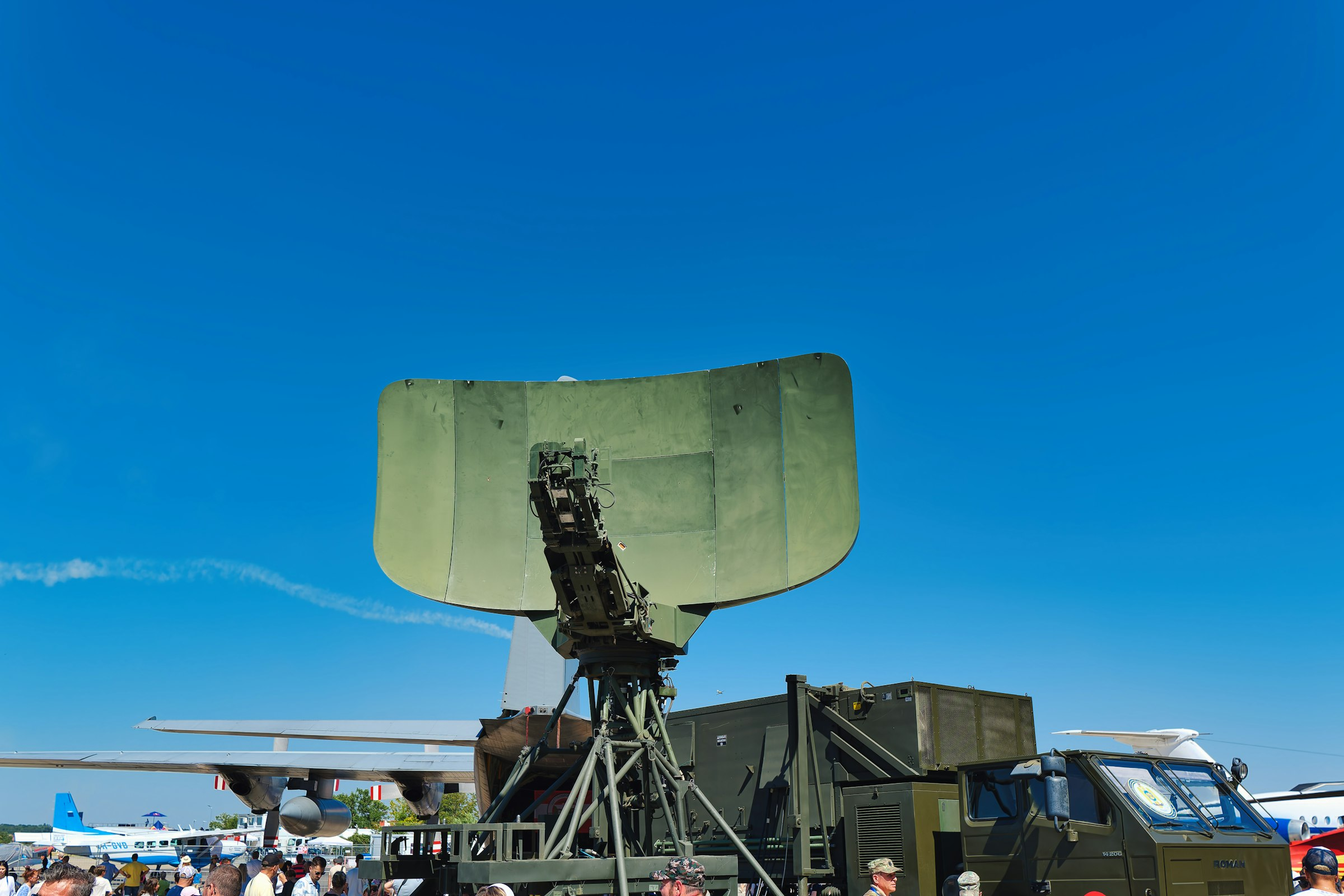
Four of the Irish systems will be Ground Master 400 Alpha radars. The three-dimensional long-range sensor has a stated detection range of up to 515 kilometres and a six-second update rate, giving it the performance required to contribute to a national recognised air picture.
The radar is packaged within a 20-foot ISO container equipped with its own lifting arrangements. Integrating the principal equipment into a transportable enclosure reduces the amount of fixed infrastructure required at the customer site and allows more assembly and factory test work to be completed before delivery.
Ireland will also receive one Ground Master 200 Multi-Mission All-in-one radar. The design combines radar, mast, and power generation equipment within a 20-foot shelter and can be transported by truck, with Thales stating that it can be brought into operation in around 15 minutes.
The two types therefore support different parts of the surveillance requirement. The GM400 Alpha provides longer-range coverage, while the GM200 MM/A offers a more compact system that can be redeployed with a smaller support footprint.
From a manufacturing standpoint, both designs place substantial integration responsibility on the factory. Radar electronics, power distribution, cooling, computing, communications, lifting systems, and mechanical structures must be assembled and verified as a transportable system rather than brought together for the first time after arrival in Ireland.
That reduces work at the deployment site but increases the importance of factory acceptance. A completed radar needs to leave manufacture with its principal hardware integrated and tested, while software and data interfaces have to match the command architecture into which the system will eventually feed.
The programme represents a significant change for Ireland because the state has not previously operated a comparable military long-range primary radar network. Primary surveillance allows operators to detect aircraft through reflected radar energy rather than relying exclusively on transponders used by cooperative civilian traffic.
The requirement has been developing since the Commission on the Defence Forces identified primary radar as an immediate capability priority. Ireland subsequently selected France as its preferred government-to-government partner for the procurement.
That route connects the programme directly to the French defence procurement structure and an established Thales production base. It also provides a clearer path for training, technical support, maintenance, and future upgrades than a collection of separately procured radar components.
Radar manufacture remains a specialist electronics activity. Active electronically scanned arrays rely on large numbers of transmit and receive elements, radio-frequency hardware, power electronics, cooling, signal processing, computing, and precision mechanical assemblies.
Increasing output therefore depends on more than final assembly capacity. Semiconductor supply, electronic component production, specialist test equipment, trained technicians, and calibration facilities all have to expand if lead times are to fall while demand from several customers rises.
Thales’ reference to its production ramp-up is consequently central to the Irish schedule. European demand for surveillance and air defence sensors has increased sharply, placing pressure on manufacturers to produce more equipment while continuing to support systems already in service.
The five Irish radars form only one part of the country’s wider military surveillance programme. Ground-based air defence and maritime surveillance capabilities are also being developed, meaning the Ground Master systems will provide the detection and recognised-air-picture layer rather than an independent defensive capability.
Installation and training will continue after the hardware leaves the factory. Sites must be prepared, communications connected, personnel trained, and the radars integrated into an operational command structure before Ireland can use them as a national military surveillance network.
The immediate industrial test sits with Thales. Five radar systems must pass through manufacture and acceptance quickly enough to support first deliveries in 2027 while the company is simultaneously increasing Ground Master output for other customers.
If the production ramp works as intended, Ireland will receive serially manufactured, transportable radar systems against a comparatively compressed schedule. The subsequent challenge will be converting that delivered hardware into a resilient national surveillance architecture by the end of 2028.