IN Brief:
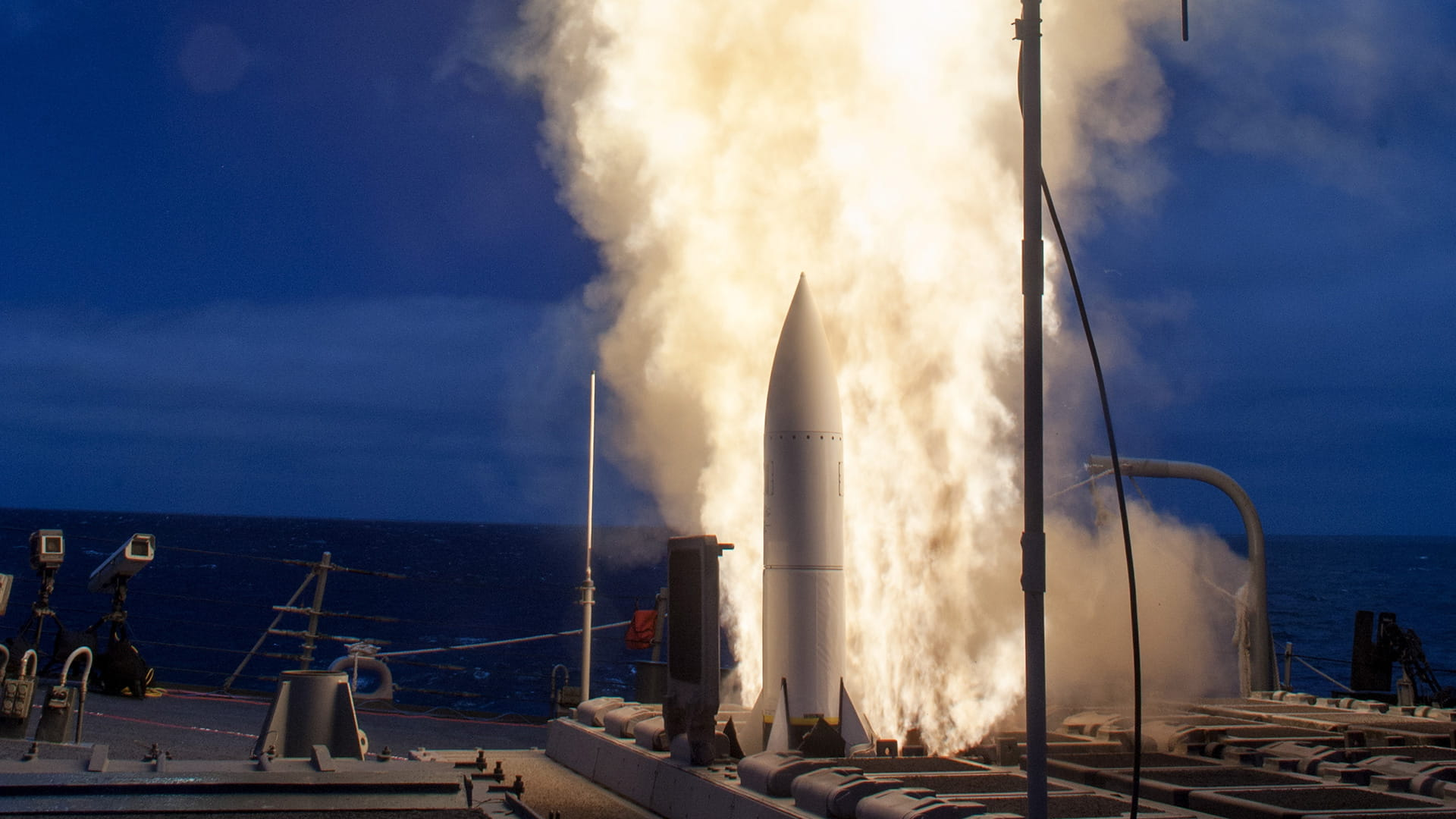
- KNM Otto Sverdrup has completed Norway’s first live ESSM Block 2 firing under Project P6192.
- Simulated and live engagements tested upgraded Aegis software, missile communications, active guidance, and wider combat system integration.
- Final analysis, installation, and approval work will precede introduction of the upgraded missile capability across the frigate fleet.
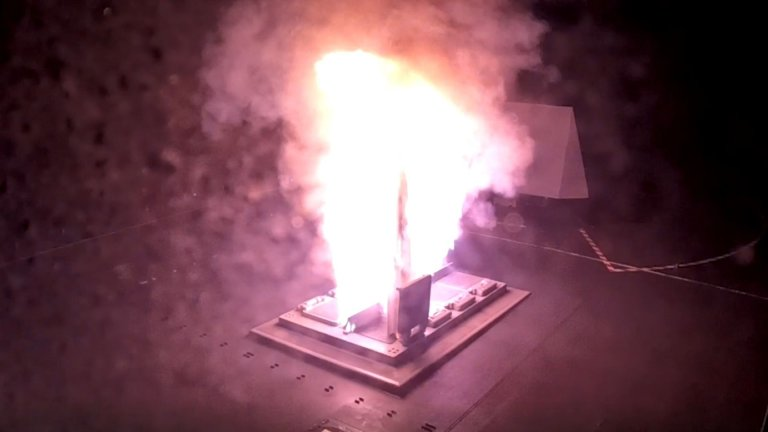
Norway has completed its first live firing of the Evolved SeaSparrow Missile Block 2 from the frigate KNM Otto Sverdrup, moving the interceptor and associated combat system modifications closer to final fleet approval.
The campaign formed part of Project P6192, managed by the Norwegian Defence Materiel Agency, and combined simulated engagements with live firings against drone targets. The work was designed to test the missile alongside upgraded Aegis software and associated shipboard communications rather than treat the event as an isolated weapon launch.
That distinction is central to the programme. Introducing a new interceptor into an existing frigate requires the missile, launcher, sensors, command software, communications, and fire control functions to operate as one controlled system. A successful launch proves only part of that chain.
ESSM Block 2 replaces the earlier Block 1 missile used by the Royal Norwegian Navy and adds an active guidance capability. Development took place through the multinational NATO SeaSparrow Project, with Norway participating in the wider programme rather than creating a separate national weapon.
Norwegian planning documents divide Project P6192 into three main elements: development of the Block 2 missile, procurement of new interceptors, and modification of the frigates so they can employ the new configuration. Life extension work on existing Block 1 missiles is also included while the replacement capability moves into service.
Development of Block 2 was completed in 2021, but introducing a missile into an operational fleet takes considerably longer than finishing the weapon design. Production deliveries have to align with ship modifications, software baselines, training, documentation, maintenance equipment, and technical support.
The current Norwegian procurement and introduction phase runs across the 2024 to 2031 period. That timetable reflects the volume of engineering required to move from an internationally developed missile into a nationally approved shipboard configuration.
The firing from KNM Otto Sverdrup focused heavily on the interaction between missile and ship. Updated Aegis software had to generate and pass the correct engagement information, while the missile’s communications and active guidance functions needed to operate within the complete firing sequence.
Both live and simulated engagements are useful in that process. Live firings provide evidence from the complete physical system, while simulation allows engineers to exercise a larger number of scenarios without consuming expensive interceptors.
Data from the missile and combat system has now been transferred for detailed technical analysis. Preliminary results indicate that the programme is progressing as planned, but the final configuration still has to move through installation and approval work before Block 2 becomes a routine fleet weapon.
The test team included personnel from the US Navy, Lockheed Martin, Andøya Space Defence, Norwegian naval organisations, and logistics specialists. That range of participants reflects an industrial and engineering chain crossing missile development, combat system software, ship integration, trials, and through-life support.
From a manufacturing perspective, the missile programme depends on more than production of completed rounds. Qualified propulsion, control hardware, electronics, guidance components, structures, energetic materials, and other assemblies have to reach final integration in repeatable configurations.
ESSM’s multinational structure adds another layer. Participating countries contribute technology and production capability, meaning common standards and configuration control are essential if components manufactured through an international supply network are to remain interchangeable and reliable.
The ship modification programme follows similar principles. Software, launcher interfaces, technical documentation, and shipboard equipment have to remain aligned with the missile production baseline so later changes do not create incompatible combinations across the fleet.
That is particularly important when several frigates are modified over time. A configuration accepted on one ship has to be reproduced consistently on the others, otherwise maintenance and ammunition management become progressively more complicated as national variants emerge inside the same fleet.
The Norwegian campaign therefore provides evidence for both engineering and future production. It tests whether the configuration can move from programme development into a stable installation that can be repeated across several ships without requiring extensive individual redesign.
Once final analysis is complete, the Norwegian Defence Materiel Agency and Royal Norwegian Navy will plan the remaining installation and approval steps. That work includes freezing software baselines, updating documentation, fitting the required ship changes, and preparing crews and maintainers for the new missile.
Project P6192 will continue for several more years as missile procurement and fleet introduction progress. The Andøya firing establishes the first Norwegian live evidence for Block 2; the next measure will be whether the tested configuration can now be reproduced reliably across the remaining frigates.