IN Brief:
- Lockheed Martin Skunk Works and NLR have expanded their cooperation under a relationship formed in 2024.
- Four research areas encompass Dutch industry, operational analysis, technology roadmaps and uncrewed aircraft.
- The partners cite thermoplastics progress but announce no new production award or aircraft delivery.
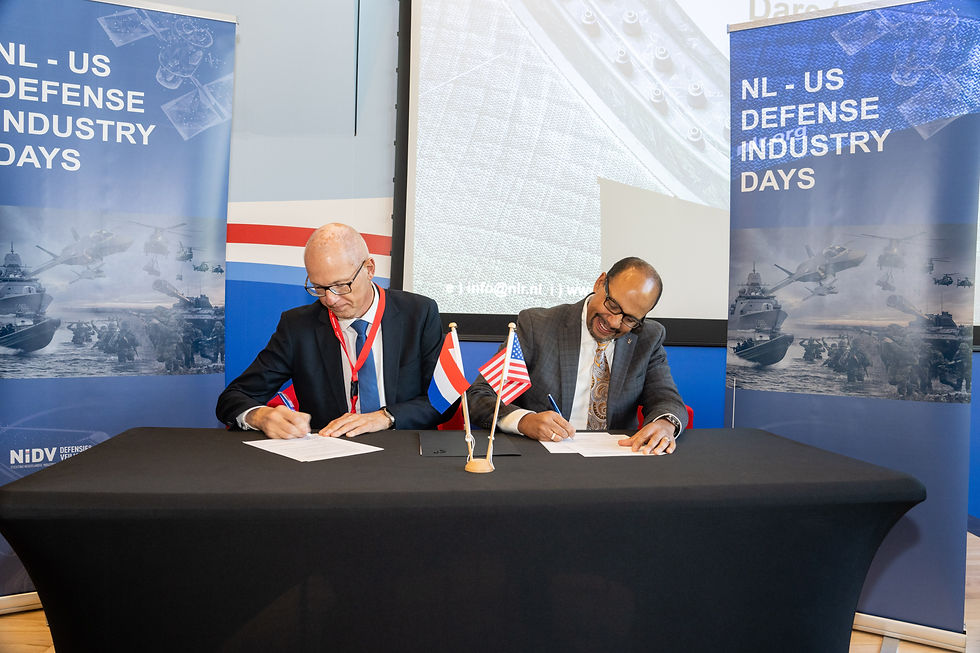
Lockheed Martin Skunk Works and the Royal Netherlands Aerospace Centre (NLR) have broadened a strategic research relationship covering Dutch industrial participation, military operational analysis, technology roadmaps and uncrewed aircraft. Announced on 15 October at NL-US Defense Industry Days, the agreement develops a memorandum signed in October 2024 rather than placing an order for new aircraft or components.
The partners say their earlier work has established joint technical groups, workshops and arrangements for research in sensitive environments. The new phase concentrates on four areas: linking Dutch industry to development programmes, coordinating operational analysis, aligning technical roadmaps and cooperating on uncrewed aerial systems (UAS). Neither organisation has announced a new funding amount, production quantity or named customer delivery contract.
NLR is an independent aerospace research centre in the Netherlands, while Skunk Works develops advanced aerospace concepts and systems within Lockheed Martin. Their complementary roles allow technical questions to be examined alongside potential industrial routes to delivery. Research participation, however, does not by itself qualify a Dutch supplier for a manufacturing programme or assign a share of production.
Connecting Dutch industry to international aerospace programmes requires more than identifying interested suppliers. Prospective manufacturers need stable component definitions, suitable processes, quality evidence and control of interfaces with the wider system. The collaboration may help firms enter development discussions earlier, but the agreement names no new factory, qualified part or subcontract awarded to a Dutch company.
Joint technology roadmaps are intended to match research activity with emerging military requirements. They can identify what should be demonstrated, which material or system risks need investigation and where additional test evidence will be necessary. A roadmap is an engineering planning tool rather than a procurement decision; neither the Dutch government nor Lockheed Martin has identified an aircraft or system purchase arising from this expansion.
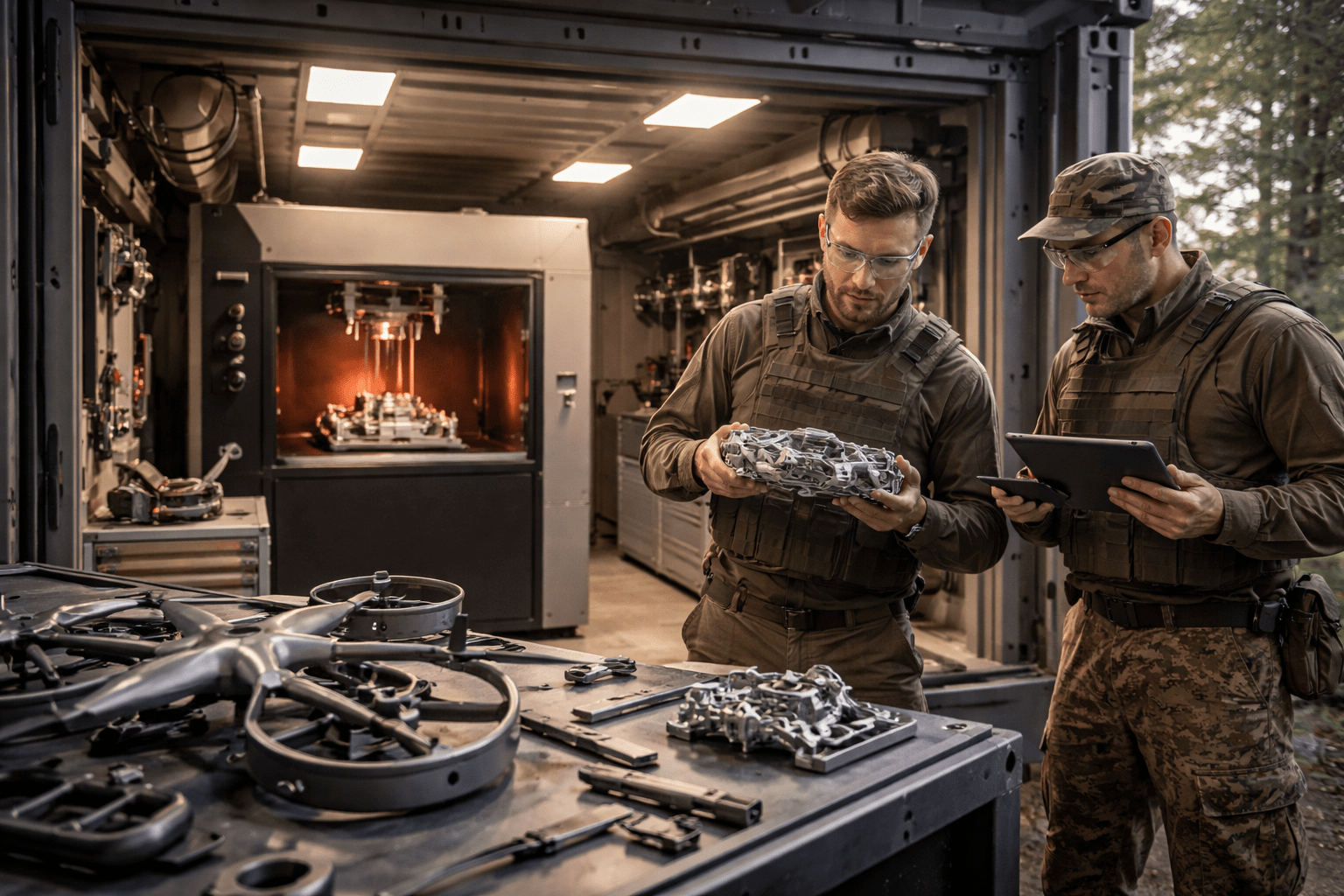
Lockheed Martin has singled out thermoplastics as a technology area advanced during the existing relationship. Thermoplastic composites use a polymer matrix that can be softened with heat, enabling particular forming and joining processes. Aerospace use still depends on evidence for strength, damage tolerance, process consistency and inspection under the conditions a component will encounter. The announcement does not identify a certified thermoplastic aircraft part or quantify performance gains.
Moving from materials research towards production involves repeated manufacturing trials and validation at representative scale. Results from a laboratory coupon do not automatically establish the behaviour of a large structure, where geometry, local heating, joining quality and inspection access may differ. The partners have described progress, but have not disclosed a production release, type-approval milestone or new manufacturing workshare.
Military operational analysis can then connect technology choices to defined mission requirements. Modelling may compare surveillance coverage, aircraft availability, communications demands or support needs before an aircraft architecture is selected. Such work provides evidence to inform requirements and trade-offs, although its findings are not equivalent to completing the flight and operational trials of an actual system.
Joint research into uncrewed aerial systems could involve control interfaces, autonomous functions, human supervision, integration of sensors or airworthiness, depending on projects chosen later. The present agreement names no particular uncrewed aircraft, payload or flight test. It is therefore an expanded research commitment rather than the announcement of a jointly built platform.
Uncrewed aircraft also bring industrial questions beyond the airframe itself. A mission system has to exchange commands and status information with flight controls, sensors and communications equipment while retaining clear responsibility for safe operation. If organisations divide development across national boundaries, agreed interfaces and evidence ownership become important before systems can be integrated and evaluated. The partners have yet to publish detailed technical objectives for the UAS element.
Cross-border aerospace research must operate within rules for technical data access, intellectual property and protected information. Lockheed Martin refers to experience working together in complex confidential development environments, but the latest statement specifies no revised export permissions or access to classified programmes. Those arrangements would have to be established for individual projects as their scope becomes clearer.
The partners connect the collaboration to longer-term Royal Netherlands Air Force capability needs. That direction can inform which technologies deserve study, but future adoption would still require suitable test evidence, programme funding and an acquisition decision. No new Dutch aircraft purchase, mission-system installation or change to a fleet sustainment contract has been disclosed.
The expanded memorandum defines an agreed research structure without setting a delivery schedule for a finished aircraft system. Demonstrations, qualified industrial work packages and confirmed testing milestones would provide firmer measures of progress. For now, the four workstreams describe the scope of cooperation between the American developer and the Dutch aerospace research and industrial community.