IN Brief:
- France has ordered four additional SAMP/T NG sections through OCCAR, raising its total to twelve.
- The DGA says one French system was delivered in early 2026 and ten sections are scheduled for delivery by the end of 2030.
- The French configuration incorporates Ground Fire radar, Aster interceptors and a separately contracted Aster/MICA VL layered engagement capability.
France has placed an order for four additional SAMP/T NG ground-based air defence sections with Eurosam, the Franco-Italian consortium comprising Thales and MBDA. The award, made through the Organisation for Joint Armament Co-operation (OCCAR), increases the French Air and Space Force’s planned inventory to twelve sections.
The Direction générale de l’armement (DGA) announced the procurement on 21 October. It stated that an initial SAMP/T NG system was delivered in early 2026 and that ten sections are to be delivered before the end of 2030. The precise delivery schedule for the four newly ordered units and the contract’s financial value were not disclosed.
The stated delivery target concerns the wider twelve-section procurement programme. The DGA has not provided a delivery date for every section or specified when individual units will complete the testing and acceptance work needed before operational use.
SAMP/T NG is the successor to the existing French and Italian SAMP/T system, known in French service as Mamba. Development began in 2021 to update ground-based defence against aircraft, cruise missiles, uncrewed systems and more demanding ballistic threats. The programme is managed by OCCAR for France and Italy, with Eurosam coordinating industrial contributions from the partner companies.
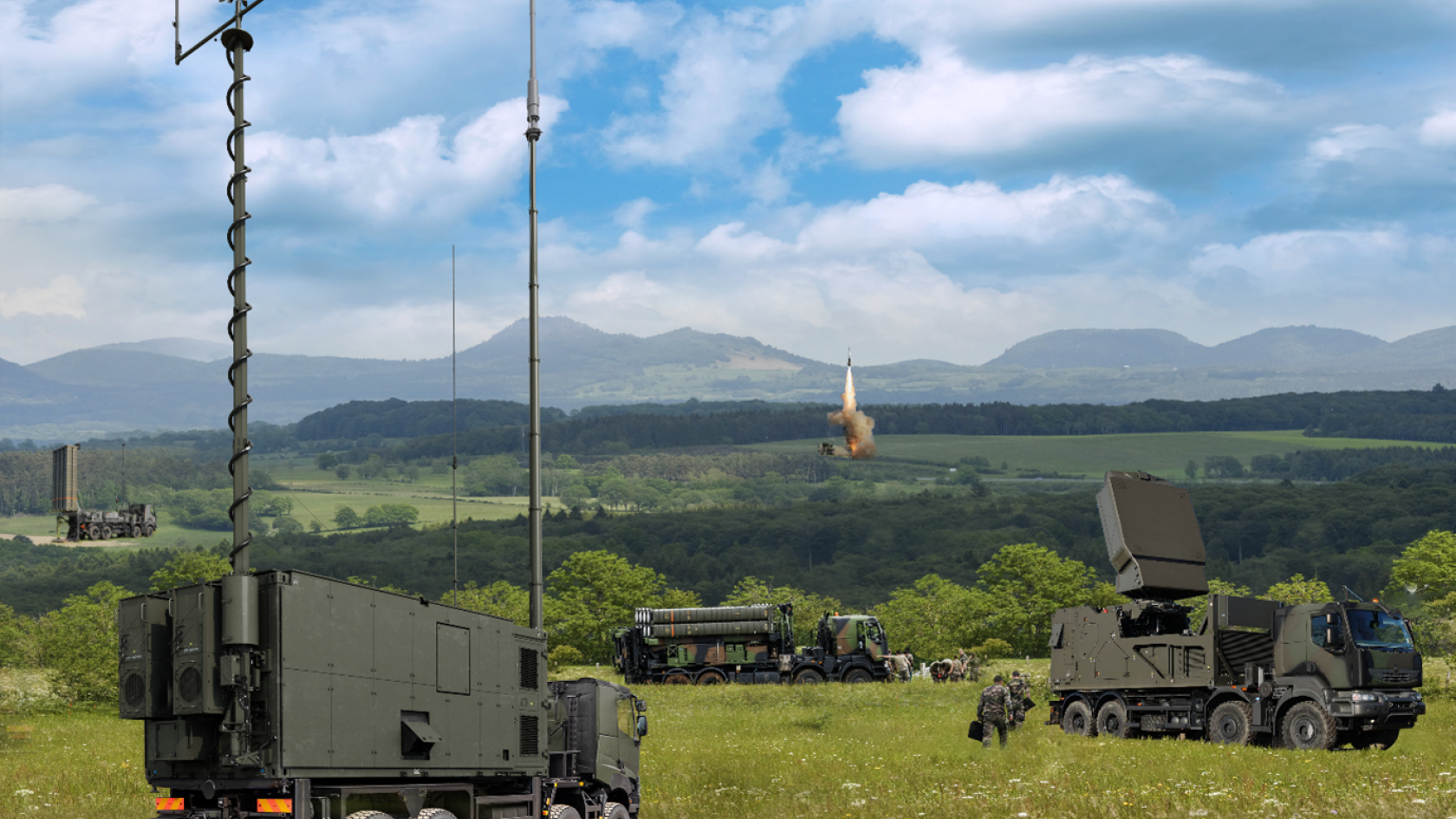
The new system combines a radar, engagement management equipment, launchers and compatible interceptors. In the French configuration, Thales’ Ground Fire 300 radar provides the surveillance and tracking information used by the engagement system. The Italian configuration has a different radar, Leonardo’s Kronos Grand Mobile High Power, reflecting the two countries’ programme requirements.
Electronically scanned radar technology allows the surveillance equipment to direct its beam without relying entirely on a mechanically rotated antenna. The radar gathers information about aerial objects, while the associated processing and engagement equipment must establish tracks sufficiently accurate for subsequent decisions. Detection, tracking and engagement are distinct functions with different limits and requirements.
The engagement system uses available information to assess threats and coordinate launchers and interceptors. Relevant factors include the target’s movement, the geometry of a potential engagement and the time available for a response. A capable radar alone does not ensure interception; the sensors, controls, communication links and chosen missile must operate together within the system’s tested limits.
The Aster missile family provides the long-range interceptor element, including the newer Aster 30 Block 1NT under development and qualification for improved performance against demanding threats. The missile is intended to manoeuvre towards aerial targets using its guidance and control systems. Published programme objectives include improved capability against certain ballistic and high-speed threats, but those statements are not evidence of unrestricted effectiveness against every hypersonic weapon.
France has also contracted a layered enhancement to SAMP/T NG. In April 2026, OCCAR placed a separate award enabling the French engagement module to coordinate Aster missiles with shorter-range MICA VL interceptors. The arrangement is intended to allow the wider air defence network to select an appropriate layer for different targets and operating circumstances.
This additional capability requires changes to the engagement module and links with compatible MICA VL launchers. It is not evidence that the four sections ordered in October have already been delivered with every element of the layered configuration operational. The April integration award and the latest order for additional sections address related but distinct requirements.
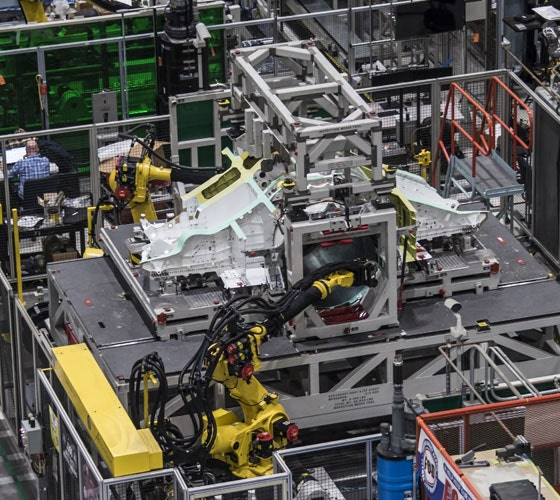
The system is built through an industrial network covering radar production, electronics, missile manufacturing, launcher equipment and integration. Different components undergo separate verification before the completed configuration can be evaluated as a system. Production of additional sections will require coordination across those suppliers and the necessary customer acceptance activity.
Full system testing goes beyond evaluating the radar or a missile individually. The interaction between detection, track management, engagement commands and interceptor responses must operate as specified, including the communications and timing requirements linking separate equipment. Changes to missile compatibility or software can introduce further verification and configuration management tasks.
OCCAR reported integrated SAMP/T NG firings in France and Italy during December 2025, following earlier Aster B1NT qualification firings. Those tests provide evidence of development progress in defined configurations, but they do not establish that each section in the latest French order is already assembled, accepted or operational.
France’s order expands the planned number of complete air defence sections, creating further requirements for production, installation and long-term support. Availability in service will also depend on trained crews, communications infrastructure, maintenance and adequate stocks of approved interceptors, not simply the delivery of a radar and launcher vehicles.
The procurement forms part of France’s wider effort to increase its ground-based air defence coverage. It also extends work for the European companies involved in the programme, although Eurosam has not released a detailed production allocation for the new sections or a quantified increase in annual manufacturing output.
With twelve sections now ordered, the next measurable milestones concern completion of the planned deliveries and acceptance of the relevant radar, engagement and interceptor configurations. The DGA’s written statement places ten sections within the period ending in 2030, while dates for the remaining units and relevant acceptance activities have not been specified.