IN Brief:
- Kongsberg received NOK23.3bn in third-quarter orders, compared with NOK9.5bn a year earlier.
- The group's order backlog reached NOK174.2bn, while revenue increased 50% to NOK11.3bn.
- Production investment in Norway and overseas supports the delivery of missiles, air defence equipment, and other contracted systems.
Kongsberg Gruppen recorded NOK23.3bn in orders during the third quarter of 2026, more than doubling the comparable figure from the previous year as demand for missiles, air defence equipment, and remote weapon systems continued to expand.
The Norwegian defence and technology group’s order backlog reached NOK174.2bn at the end of September, increasing by NOK16.7bn during the quarter. Revenue rose 50% year on year to NOK11.3bn, while earnings before interest and tax increased 66% to approximately NOK1.9bn.
Order intake compared with NOK9.5bn during the third quarter of 2025, producing a book-to-bill ratio of 2.06. The value of new business therefore exceeded the revenue recognised during the reporting period, adding to the work already contracted for future delivery.
The group received NOK67bn of orders during the first nine months of 2026. These commitments span multiple business areas and extend across several years, providing the manufacturing and engineering workload against which Kongsberg is planning further capacity investment.
Major defence contracts have been central to the increase. During the quarter, Belgium placed an approximately NOK10bn order for the National Advanced Surface-to-Air Missile System (NASAMS), becoming the eighteenth country to procure the system.
NASAMS combines sensors, command and control equipment, launchers, and interceptors within a distributed air defence architecture. Rather than concentrating every function in a single installation, the system allows participating elements to exchange information and operate across a connected network.
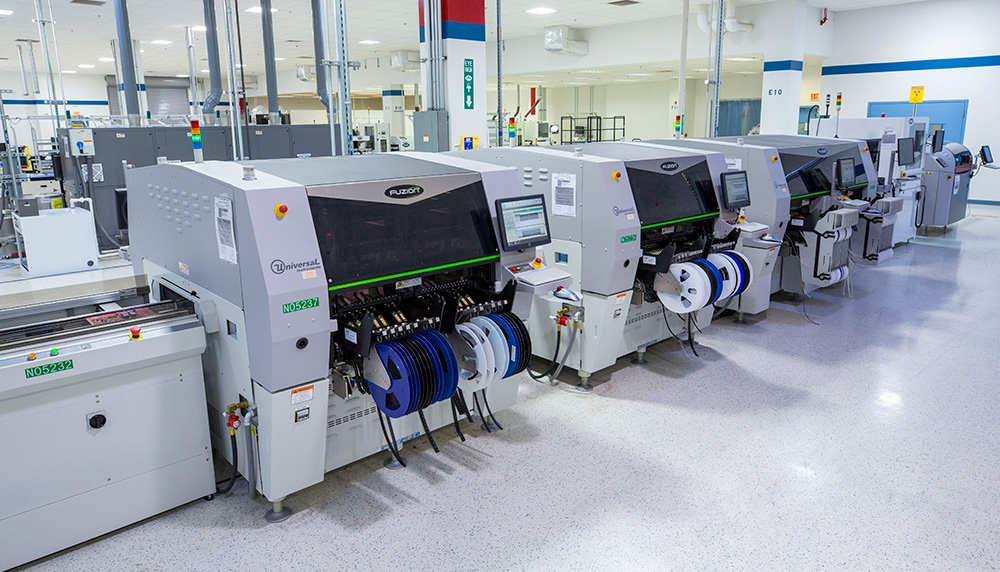
Its manufacture involves different industrial processes and specialist suppliers. Radar and command equipment require electronic production and software integration, while launchers incorporate mechanical structures, electrical systems, and interfaces through which they exchange information with the wider defensive network.
Complete system delivery depends on those components being manufactured and tested to compatible specifications. The equipment must subsequently be integrated into the configuration selected by the customer, with the arrangements for acceptance and support established under the individual programme.
Large air defence orders can therefore generate substantial work beyond the final assembly of launch equipment. Manufacturers of precision components, electronics, communications hardware, and supporting equipment contribute to the systems delivered to national customers.
Kongsberg’s missile portfolio provides another source of demand. The United States Air Force ordered additional Joint Strike Missiles (JSM) for its F-35 aircraft during July, supporting continued production of the air-launched weapon.
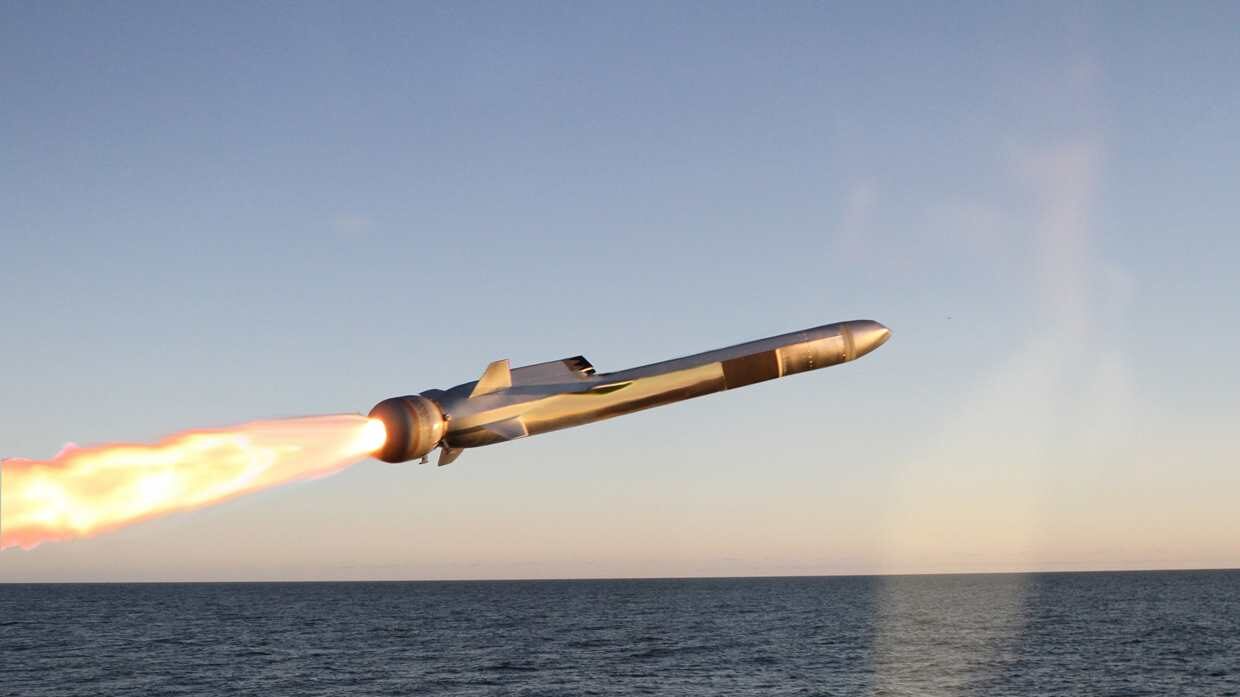
The company subsequently signed a framework agreement with the US Marine Corps covering production and sustainment support for the Naval Strike Missile (NSM). The arrangement extends the industrial relationship across both the manufacture of equipment and support activities associated with its continued operation.
During October, Denmark confirmed its intention to acquire the JSM for its F-35 fleet, becoming the seventh country to select the missile. That decision represents an additional prospective customer programme, with the final manufacturing requirements dependent on the procurement arrangements established.
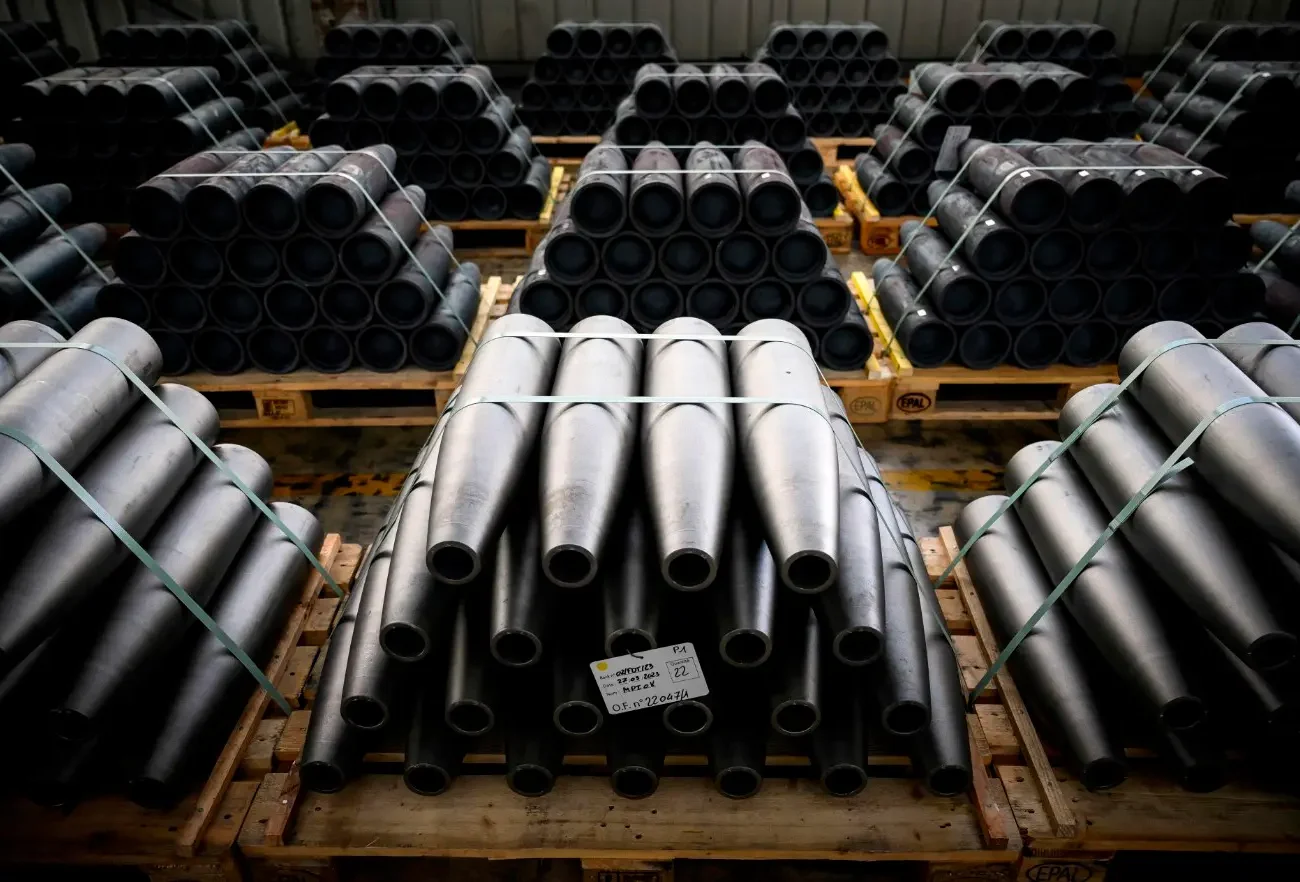
Missile production requires coordination between specialised manufacturing operations. Propulsion equipment, electronic assemblies, structural components, and control systems must be produced and integrated under defined technical and quality requirements before completed weapons can be delivered.
Increasing output therefore depends on the capacity of several related production processes. Expanding a final assembly line provides limited additional throughput if a necessary component remains constrained by a supplier’s manufacturing capacity or delivery schedule.
Kongsberg has been investing in its own industrial facilities and supply arrangements to support higher volumes. The company has identified expansion in Poland as one part of its response to increasing demand, alongside wider investment across its manufacturing operations.
Remote weapon systems also contributed to third-quarter orders. Kongsberg secured a contract to provide weapon stations for Canada’s Armoured Combat Support Vehicle programme, extending the company’s work on remotely controlled weapons and associated vehicle technologies.
These systems combine mechanical mounting and stabilisation equipment with sensors, electronics, and operator controls. Their installation involves compatibility with the host vehicle’s mechanical and electrical architecture, while individual configurations depend on the customer’s requirements.
The company is expanding its technology portfolio through acquisition as well as manufacturing investment. Its purchase of Zone 5 Technologies during the second quarter added further missile development capabilities, and Zone 5 was subsequently selected for a US Navy programme valued at $65m.
Zone 5’s technologies provide Kongsberg with additional opportunities in missile systems intended for scalable production. Turning those capabilities into contracted deliveries involves manufacturing development, component sourcing, and the qualification work required by individual customer programmes.
Underwater technology is another area of growth. Kongsberg secured a $54m US government contract modification involving autonomous underwater vehicles, while American authorities approved its acquisition of Sonatech, a specialist in underwater acoustics.
These developments add to the group’s established sensor and autonomous systems activities. Underwater vehicles and acoustic equipment require specialist engineering, but their commercial and military applications share technologies involving navigation, sensing, control software, and operation in demanding marine environments.
Investment in those capabilities is reflected in the opening of Kongsberg’s Horten Horizon facility in Norway. The 45,000sq m site, officially opened on 8 October, brings together engineering laboratories, production space, testing infrastructure, offices, and warehousing.
The facility includes approximately 2,000sq m of production, laboratory, and test space, nine test pools, and an automated warehouse. The combined infrastructure supports development and manufacturing activities while providing facilities for evaluating marine and underwater equipment.
Locating engineering and production functions within the same facility can support coordination between development teams, manufacturing operations, and testing activities. Equipment modifications can be assessed against the relevant technical requirements, while production arrangements must continue to provide consistent results across successive assemblies.
Higher manufacturing volumes also create demands on workforce capacity and industrial suppliers. Specialist components, manufacturing machinery, and qualified personnel must be available as individual programmes progress through engineering, production, and delivery.
Kongsberg chief executive Eirik Lie has identified contracted work for 2027 as providing a degree of financial visibility. The company has secured agreed commercial terms and supplier arrangements for much of that workload, supporting production planning against the commitments already in place.
Revenue growth during the quarter reflected higher activity across the business, with operating profit increasing faster than sales. Kongsberg attributed its performance to higher volumes and project execution, while future results will depend on the mix and progression of contracted programmes.
The order backlog now extends across several years of equipment development, manufacturing, and support. Converting those commitments into completed deliveries requires continued investment in production capacity, supplier coordination, and the testing and acceptance processes associated with defence equipment.
With NOK174.2bn of contracted work outstanding at the end of September, Kongsberg’s manufacturing expansion is being undertaken against a substantial existing programme schedule. Deliveries under its missile, air defence, vehicle, and underwater contracts will determine the pace at which that order book converts into future revenue.