IN Brief:
- Leonardo presented SADOC 5 and ATHENA L at Euronaval on 3 November, addressing different levels of naval combat-system complexity.
- SADOC 5 uses a microservices architecture and planned AI support for complex air-defence engagements, including Italy’s future DDX destroyers.
- ATHENA L combines tactical-picture management and navigation information for lighter naval platforms, with integration and customer programmes to be confirmed.
Leonardo has introduced two naval combat management systems, SADOC 5 and ATHENA L, at Euronaval 2026 in Paris. The equipment addresses different classes of vessel: SADOC 5 is intended for complex, highly integrated combatants, including the Italian Navy’s future DDX destroyers, while ATHENA L provides a lighter command-and-control arrangement developed by Leonardo subsidiary GEM Elettronica.
A destroyer coordinating several weapons and sensors requires a combat system capable of correlating air, surface, and other contacts while passing information to allied forces. Smaller naval platforms also need a dependable tactical picture, but have fewer operators, less space for computing equipment, and different mission demands. Leonardo is addressing those requirements with separate command-and-control architectures rather than a single system specified for every class of ship.
SADOC 5 uses a software architecture based on microservices. In such an arrangement, defined software functions can be developed and maintained as separate services connected through controlled interfaces, rather than being treated as a single inseparable application. Leonardo describes the approach as supporting scalability and flexibility. Actual shipboard use will still depend on qualification of the assembled system and the performance of its interfaces to the sensors and weapons it controls.
Leonardo plans artificial intelligence functions within SADOC 5 to support threat analysis and accelerate operator decisions. The specified scenarios include drones and ballistic and hypersonic missiles, whose trajectories, radar signatures, and engagement windows can differ substantially. Those applications require contact data to be assembled and assessed quickly, although Leonardo has not published quantified reaction-time improvements or completed shipboard qualification results for the new system.
Information entering the combat system can come from radar, electronic surveillance equipment, navigation systems, or links to other ships and command networks. Each feed has its own update rate, accuracy, and potential failure modes. A coherent tactical picture requires those data streams to be correlated so that operators can distinguish separate contacts from duplicate reports and recognise when a track is uncertain or deteriorating. Leonardo is positioning SADOC 5 as an architecture for managing that work across a more demanding naval combat environment.
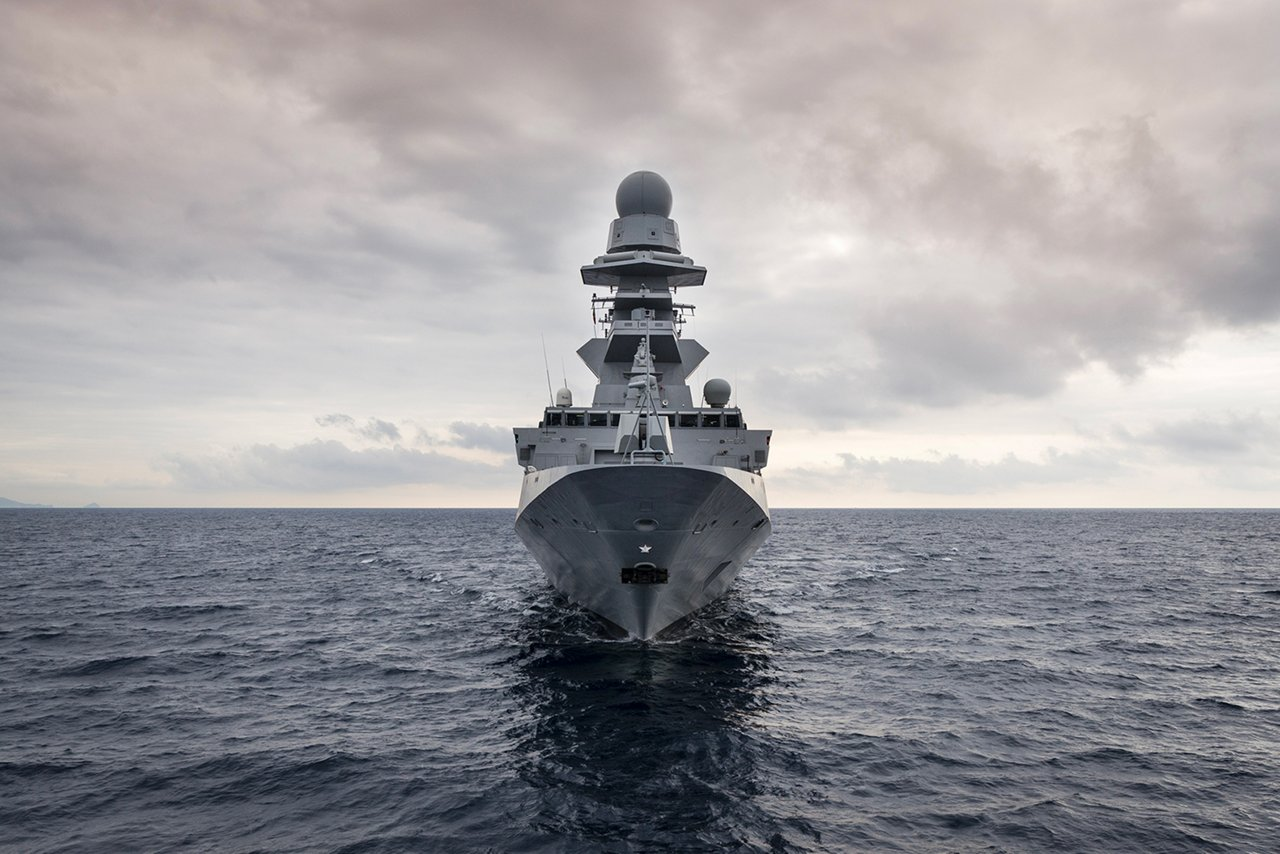
SADOC 5 has an identified future application aboard the Italian Navy’s DDX destroyers. Orizzonte Sistemi Navali, the Fincantieri–Leonardo joint venture, signed the two-ship contract with OCCAR on 24 September 2026. Its approximately €3.7bn value includes around €1.3bn in options, and the first and second destroyers are scheduled for delivery in 2033 and 2035 respectively. The planned combat system will be paired with a high-power digital S-band AESA radar and MBDA missile equipment for integrated air and missile defence.
The September shipbuilding contract established the programme framework before SADOC 5’s Euronaval presentation in November. Engineering work must now connect the command software with the destroyers’ radar, weapons, data links, and platform services. Integration tests will need to establish the performance of the combined configuration before a shipboard system can be accepted for naval service; the exhibition launch does not itself establish such acceptance.
Leonardo links SADOC 5 to its Michelangelo system-of-systems concept, which envisages information sharing and coordinated defensive action across multiple platforms. In that type of architecture, a sensor may detect a threat on one platform while another asset provides an available means of response. The resulting data exchange depends on track quality, timing, secure communications, and clearly defined command authority. Specific interfaces between every prospective Michelangelo component have not been disclosed.
GEM Elettronica has developed ATHENA L for ships requiring a lighter combat-management installation. Its stated functions include building an integrated tactical picture and presenting mission information to operators, with interoperability scaled to the customer’s operational requirements. A patrol vessel with limited crew and equipment space can therefore have a different command-system configuration from a major air-defence combatant without dispensing with the need for validated sensor interfaces.
The lighter system incorporates a navigation suite including certified digital cartography, radar, and navigation sensors. Combining this information with tactical displays can reduce the need to move between completely separate operator environments, although navigation safety and combat engagement remain distinct functions with their own validation requirements. The exact mix of surveillance sensors, weapons, and external links will depend on the platform receiving the system.
Ship integration will determine the practical configuration of both systems. Radar and navigation feeds, weapon interfaces, electrical services, computing capacity, and operator consoles must match the vessel being equipped; those elements may also change during later modernisation. Modular software offers a means of separating functions for development and support, but any new combination of hardware and software still requires integration and qualification against the host platform’s requirements.
SADOC 5’s intended DDX application centres on complex fleet air defence, where track correlation and weapons coordination face demanding timing and interoperability requirements. ATHENA L addresses missions in which surveillance, navigation, and a coherent tactical picture must be delivered with a lighter installation. Leonardo has not identified a newly contracted ATHENA L ship class in the material accompanying the launch, and the systems’ equipment selections remain dependent on individual naval programmes.
The Italian DDX delivery dates of 2033 and 2035 set a longer programme horizon for SADOC 5 integration and testing. ATHENA L’s first customer, delivery schedule, and detailed platform-specific configuration have not been disclosed in the material reviewed. Subsequent ship integration contracts and test results will establish the practical deployment path for the two architectures.