IN Brief:
- Belgium has contracted Rheinmetall for 20 Skyranger 30 systems under a mid-hundreds-of-millions-of-euros procurement.
- The gun-based installations will use hooklift platforms and connect to the Blue Dome command architecture.
- Deliveries will begin towards the end of 2028, with Belgian industrial participation envisaged.
German defence manufacturer Rheinmetall has secured a contract to supply 20 Skyranger 30 air defence systems to Belgium, establishing a new procurement programme intended to protect national territory and critical infrastructure against airborne threats.
The agreement covers 30mm gun-based systems mounted on hooklift platforms, associated logistics, and integration into Belgium’s Blue Dome command-and-control architecture. Rheinmetall places the contract value in the middle of the three-digit million-euro range, without disclosing an exact figure. Deliveries are scheduled to begin towards the end of 2028.
Belgium intends to use the installations primarily for stationary defence rather than as permanently mounted weapons on conventional armoured fighting vehicles. The hooklift arrangement provides a means of transporting and positioning equipment at selected locations, while the broader protective capability depends on the weapon systems, supporting sensors, communications, and command infrastructure.
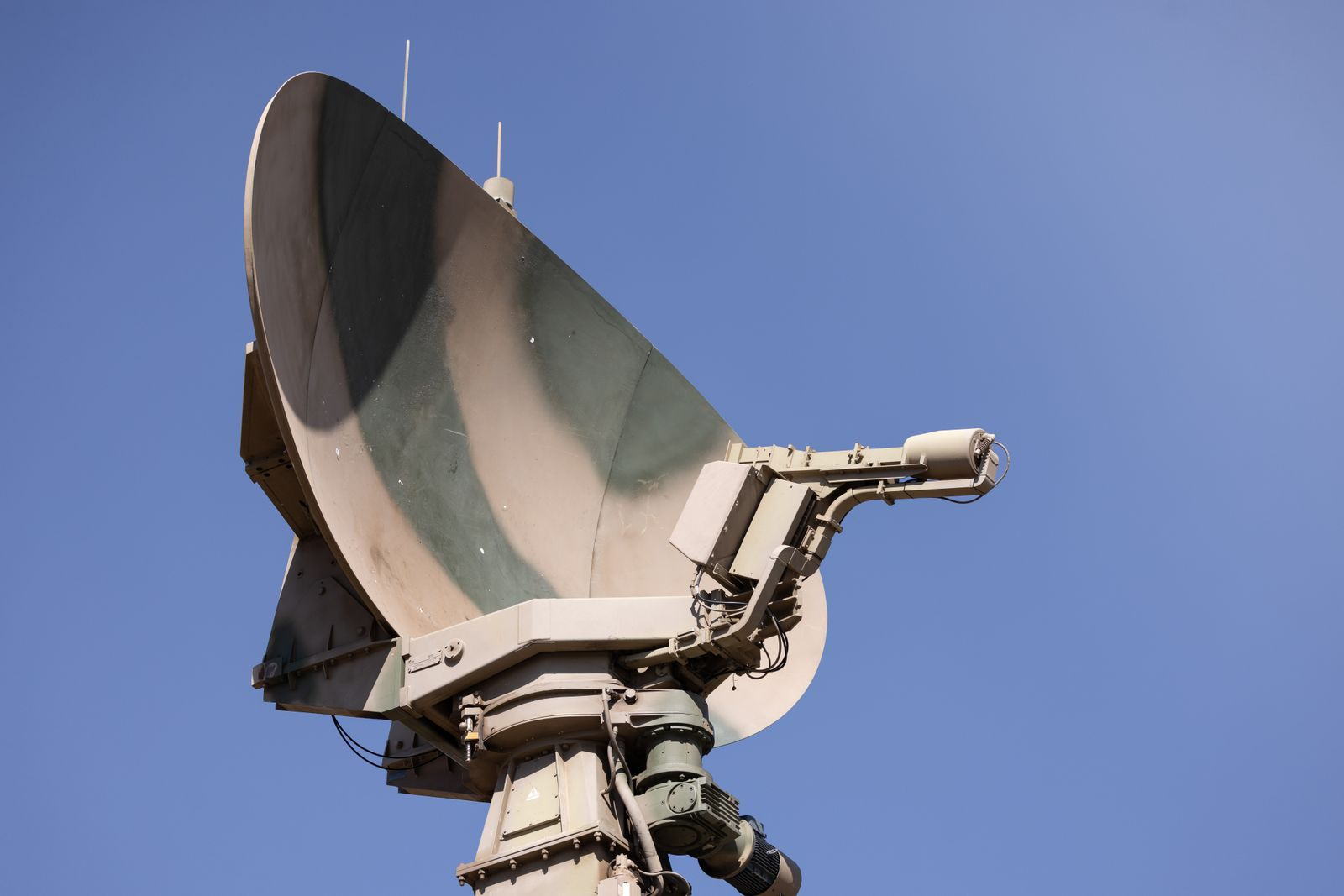
Skyranger 30 is designed for short-range air defence, including the engagement of unmanned aerial systems. The equipment combines an automatic cannon with the systems required to detect, track, and engage airborne threats. Its role differs from longer-range missile-based air defence, allowing it to contribute to a layered arrangement in which different weapons address targets according to their characteristics and the circumstances of an engagement.
Small unmanned aircraft create demanding detection and fire-control conditions because their size, movement, and position relative to background objects can complicate tracking. Successful engagement requires suitable information about the target’s movement and the ability to maintain that information while the weapon system is prepared and operated. The performance of the complete installation therefore depends on more than the cannon alone.
Rheinmetall has developed several configurations of Skyranger equipment, but the Belgian contract does not identify every radar, optical sensor, ammunition type, or fire-control component in the ordered systems. Product capabilities described for other configurations should not automatically be attributed to the Belgian installation until its final technical specification has been confirmed.
The use of hooklift platforms introduces a transportable arrangement for equipment intended to defend fixed locations. Moving an installation between sites requires suitable transport vehicles, access routes, deployment areas, and supporting infrastructure. Once positioned, the equipment must be connected to the command arrangements and prepared for operation. The published contract does not specify relocation times, deployment procedures, or the number of support vehicles included.
Blue Dome will provide the overarching command-and-control structure into which the Skyranger systems are integrated. A common architecture can coordinate information received from different sensors and defensive installations, helping operators maintain awareness of airborne activity and the resources available for protection. Its operation depends on accurate information exchange, reliable communications, and arrangements for directing the individual systems within the applicable operating procedures.
Integrating a weapon system into such a network involves establishing compatible interfaces between the equipment and the wider command structure. Track information must be transferred in a form that connected systems can interpret, while the status of individual installations needs to remain available to the personnel supervising them. Communications performance, timing, and the handling of incomplete or degraded information can influence the effectiveness of the combined arrangement.
Rheinmetall has not disclosed the detailed Blue Dome integration architecture or identified all the organisations responsible for its implementation. The announcement confirms that the new installations will be incorporated into the Belgian system, rather than establishing that the complete national network has already been delivered or accepted for operational service.
The procurement was developed in consultation with the Netherlands as well as Rheinmetall. The manufacturer reports that the contracting process took less than 18 months from initial discussions in June 2025, reflecting the priority assigned by Belgian authorities to strengthening national air defence. The consultation does not establish a joint Belgian-Dutch equipment purchase or confirm identical configurations across the two countries.
Belgian industrial participation is also planned as part of the programme. Rheinmetall intends to integrate domestic technology companies into the supply chain and has identified opportunities for further cooperation on stationary and deployable drone defence. The announcement does not name the Belgian subcontractors, disclose their workshares, or identify specific factories that will manufacture components for the order.
The contract includes logistics alongside the 20 weapon installations. Support arrangements are an essential part of sustaining air defence equipment, encompassing the availability of replacement parts, maintenance services, technical assistance, and the consumables required for continued operation. The manufacturer has not published the detailed support duration, ammunition quantities, or training commitments associated with the Belgian procurement package.
The agreement continues a long relationship between Rheinmetall’s air defence operations and Belgium. Fifty years earlier, Oerlikon Contraves, working with Krauss-Maffei, supplied 36 Gepard anti-aircraft vehicles to the Belgian armed forces. The latest order involves a different technical configuration, designed to operate within a modern networked air defence architecture and address contemporary threats.
Previous Belgian plans included the development of layered air defence capabilities involving other systems. The new Skyranger award represents a distinct equipment commitment within that broader programme, rather than a repeat of the earlier capability announcement. Its procurement scope is now defined by the number of installations, their intended stationary role, and their integration with Blue Dome.
Manufacturing and integration activities must now progress towards the first deliveries in late 2028. The complete schedule for all 20 installations, their deployment locations, and the date on which they will enter operational service have not been disclosed. The contract establishes the equipment order while leaving those subsequent programme milestones to be confirmed.