IN Brief:
- The Royal Navy formally commissioned its 1st Autonomous Squadron at HMNB Portsmouth on 5 November.
- Around 180 personnel, organised into two watches, will operate uncrewed vessels including Kraken and Rattler craft.
- The squadron replaces Project Beehive and will support the introduction of further autonomous capabilities.
The Royal Navy has commissioned its first autonomous squadron, establishing a permanent operational unit responsible for introducing and operating uncrewed surface vessels alongside Britain’s existing naval forces.
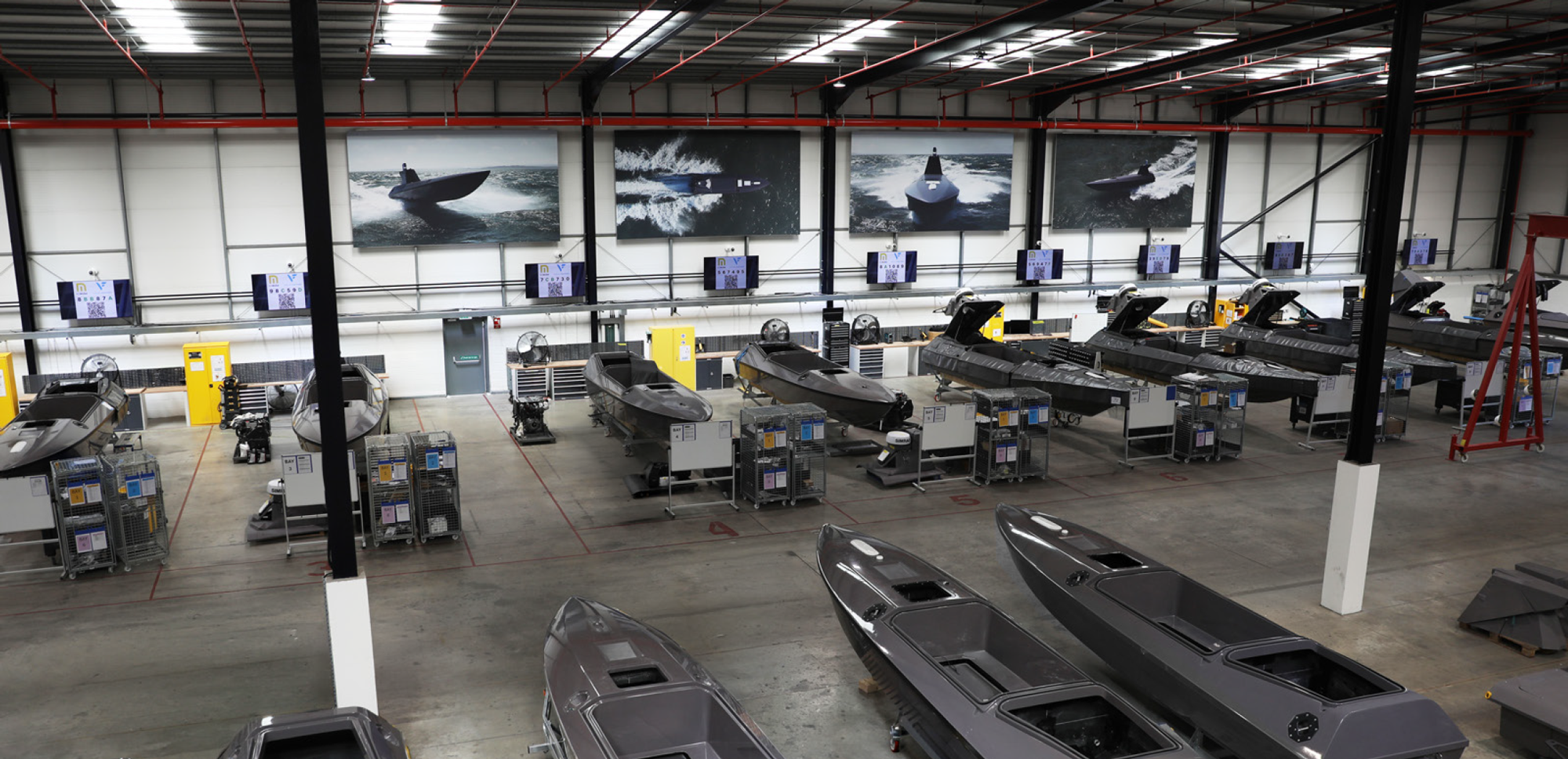
The 1st Autonomous Squadron was formally commissioned at HM Naval Base Portsmouth on 5 November, with the Navy confirming the development publicly on 9 November. Approximately 180 personnel will serve in the unit, organised into two watches to support operations around the clock. Its initial equipment includes Kraken and Rattler uncrewed vessels, which were demonstrated during the commissioning event.
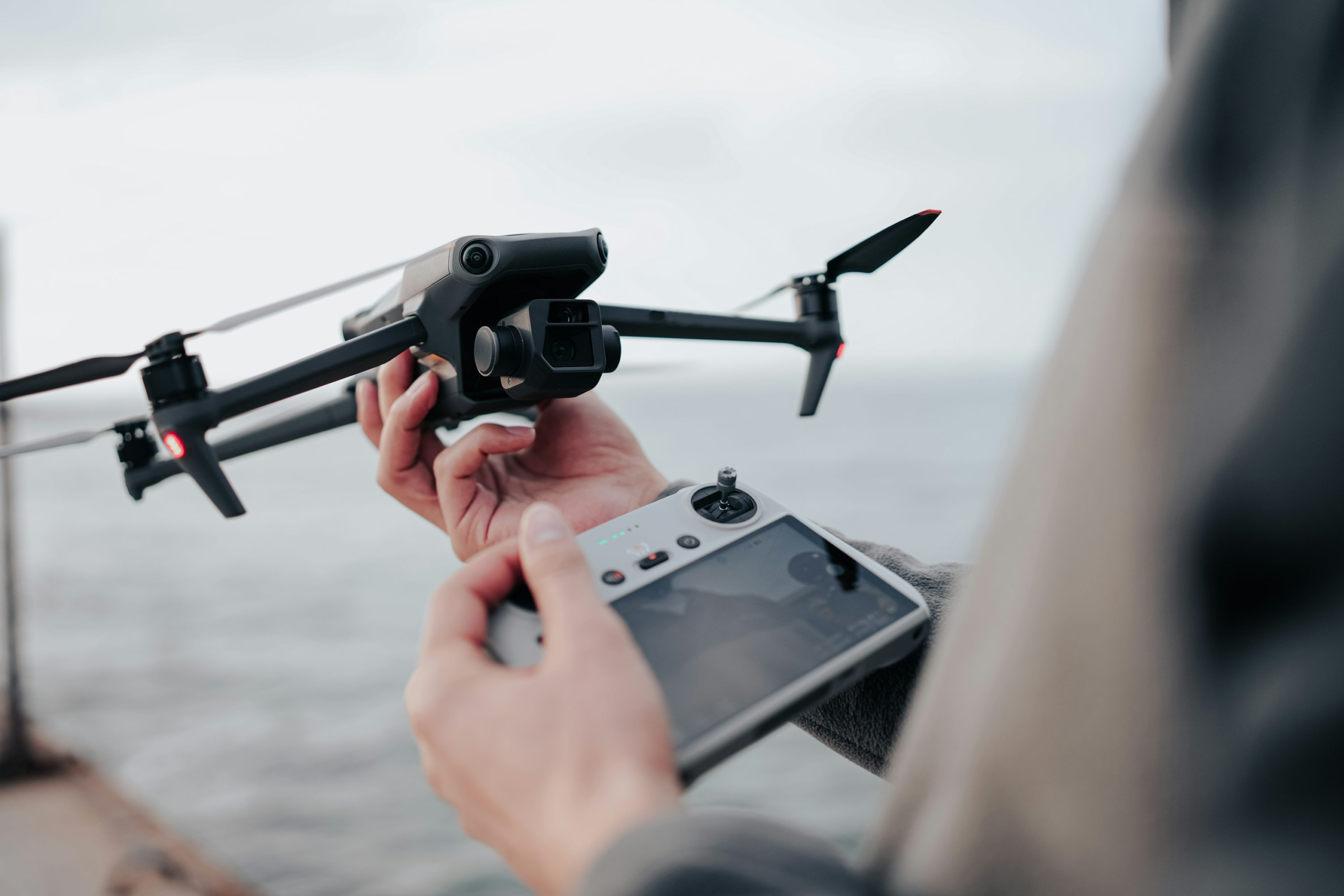
Both types were manoeuvred around Portsmouth Harbour from a control hub, demonstrating the use of remote supervision to operate vessels without personnel physically aboard. The demonstration established the squadron’s initial operating arrangements rather than the completion of a fully autonomous fleet deployment. Remote control and autonomous navigation describe different levels of system responsibility, with the degree of onboard decision-making depending on the equipment and configuration involved.
The squadron replaces Project Beehive, the Royal Navy’s initial programme for acquiring autonomous and crewless boats and using them to evaluate hybrid fleet technologies. Establishing a commissioned unit moves the activity into a more permanent organisational structure, with personnel assigned to operate equipment, develop procedures, and support the introduction of successive platforms.
Its personnel complement is comparable to that of a Type 23 frigate, although the squadron will operate from Portsmouth rather than a single crewed warship. Dividing the organisation into two watches provides a basis for maintaining operational coverage, while allowing personnel to supervise equipment and develop the experience required for more sustained uncrewed vessel activities.
Commander Helen Coxon, the squadron’s commanding officer, will oversee the development of its operational capability. The unit is expected to employ vessels individually and as part of larger naval task groups, including operations alongside allied forces. The Navy has not disclosed the final number of boats intended for the squadron or a complete timetable for introducing additional systems.
Kraken K3 Scout and Rattler craft form part of the initial equipment available to the organisation. Their use brings different uncrewed vessel designs into the Navy’s operating structure, allowing personnel to gain practical experience with remote vessel management and the supporting technology. The public commissioning information does not identify a complete payload inventory or confirm every mission configuration that the squadron will employ.
Operating uncrewed vessels in busy maritime environments requires a reliable understanding of their position, movement, and equipment condition. Control arrangements must provide sufficient information for personnel to supervise the craft, while communications systems need to maintain an appropriate connection between the vessel and its operators. Navigation and collision-avoidance arrangements must also account for other maritime traffic and changing environmental conditions.
These requirements become more demanding when multiple platforms operate together. A task group must coordinate the movement and responsibilities of individual vessels, while maintaining awareness of their limitations and the availability of their communications links. Operating procedures must also address the actions required if a platform cannot complete its assigned task or requires assistance from another vessel.
The Navy’s hybrid fleet plans involve integrating uncrewed equipment with conventional warships, submarines, aircraft, and supporting organisations. This approach allows autonomous and remotely operated systems to be developed for particular tasks without replacing the command and operational responsibilities of crewed platforms. The practical division of those responsibilities depends on the mission, the equipment available, and the operating environment.
Introducing the technology into routine service also requires maintenance and logistical arrangements. Uncrewed vessels still depend on propulsion equipment, power systems, communications, sensors, and other components that must be inspected and maintained. The absence of an onboard crew changes how some activities are carried out but does not remove the need for technical support, preparation, and equipment recovery.
The 1st Autonomous Squadron will work with Navy Develop, the Disruptive Capabilities and Technologies Office, and the Royal Navy’s Capability Accelerator. These organisations support the identification, development, and introduction of technologies intended to meet naval requirements. Their relationship with the squadron will provide a means of connecting new equipment development with the practical experience of the personnel expected to operate it.
The Capability Accelerator was established in 2025, with partial funding from UK Defence Innovation. Its new hub at Portsmouth has been formally opened, providing a location for activities associated with adapting and introducing equipment. The organisation is intended to reduce the time between identifying an operational requirement and making a suitable capability available to naval personnel.
Kraken and Rattler provide examples of the Navy’s approach to adapting available technology for military use. Commercially developed equipment may offer an existing engineering foundation, but operational deployment still requires consideration of military requirements, communications security, equipment reliability, and the conditions in which the system will operate. Establishing a dedicated squadron enables those considerations to be examined through continuing use rather than isolated demonstrations.
Fleet Commander Vice Admiral Steve Moorhouse linked the squadron’s establishment to the Navy’s broader development of hybrid operations. The integration of uncrewed equipment is intended to expand the range of capabilities available to naval commanders while maintaining personnel at the centre of operational decisions. The commissioned unit provides an organisational foundation for that approach, although individual platforms will continue to require appropriate evaluation and acceptance.
Further development will involve additional vessel types, operational procedures, and methods of coordinating uncrewed equipment with existing naval forces. The Navy has identified expansion as a central responsibility of the new squadron, but has not announced a final fleet size, production order, or timetable for achieving its longer-term operating structure.
With the Portsmouth unit established, the next phase will concentrate on operating its existing vessels, developing personnel and support arrangements, and introducing additional equipment through the Navy’s capability organisations. The commissioning represents the formation of a permanent autonomous vessel unit rather than the completion of the wider hybrid fleet programme.