IN Brief:
- Skyways has launched Skyreach, a hybrid VTOL aircraft developed for autonomous cargo, sensing, and inspection missions.
- Published specifications include more than 1,300 miles of one-way range with 10lb of cargo, or more than 140 miles with 90lb.
- Production has begun in Texas under a programme supported by a previously awarded $37m AFWERX contract.
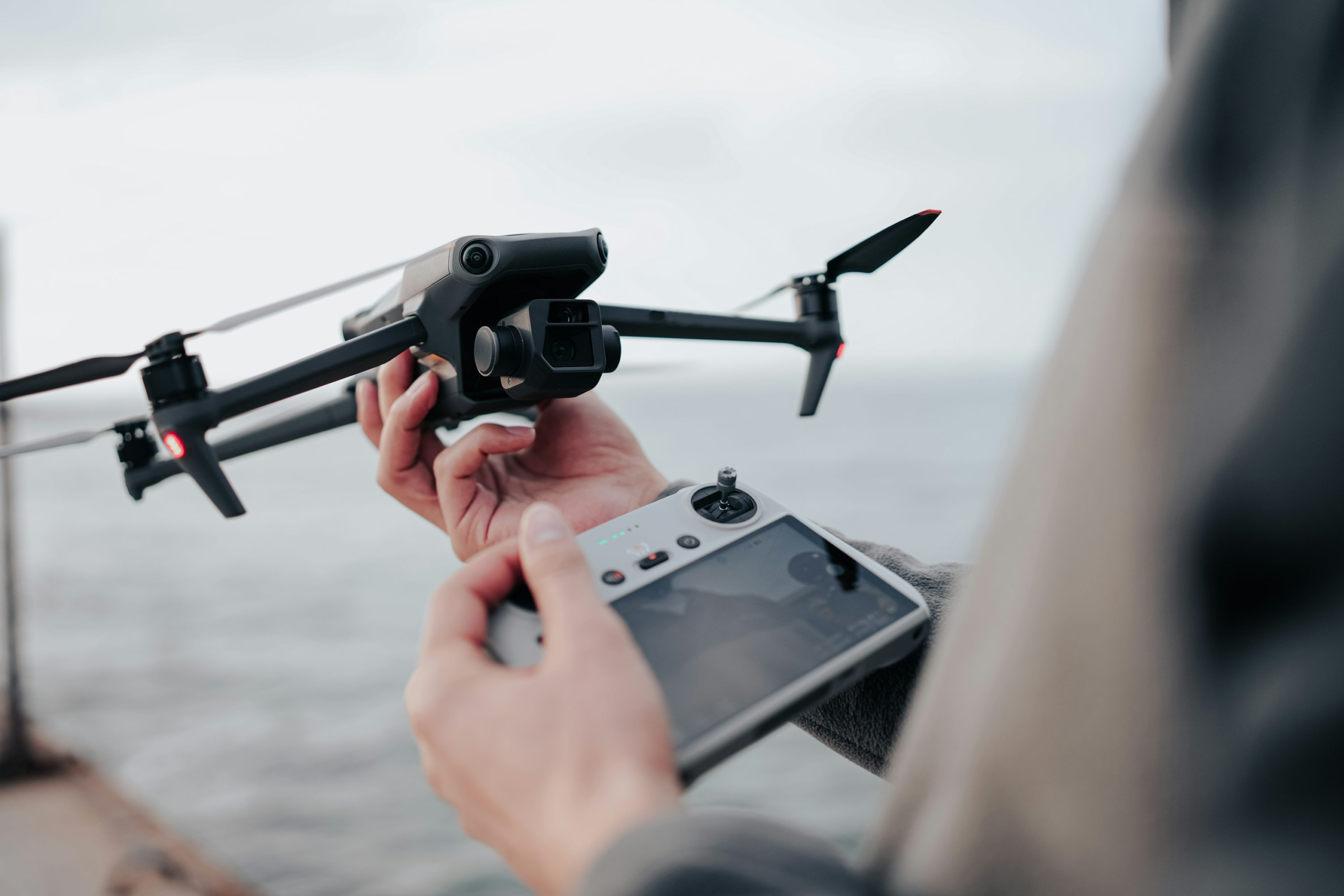
US autonomous aircraft manufacturer Skyways has introduced Skyreach, a long-range hybrid-powered cargo aircraft designed for military logistics and commercial transport, with production beginning in Texas and customer flights scheduled to commence in December 2026.
The aircraft combines electrically powered vertical take-off and landing with fuel-powered cruise flight, allowing it to operate without a conventional runway while transporting cargo or specialised mission equipment. Skyreach is the production platform developed from the company’s V3 programme, supported by a previously awarded $37m US Air Force AFWERX contract.
Skyways announced the new platform on 9 November, describing applications including cargo transport, surveillance, inspection, and other missions requiring autonomous flight. The aircraft incorporates a modular payload bay and an integrated flight management system, with its performance depending on the balance between cargo weight, fuel, and mission distance.
Published specifications give Skyreach a maximum gross take-off weight of 360lb and a useful load exceeding 100lb. Its cargo compartment has a volume of seven cubic feet and can accommodate different equipment configurations. Useful load is not identical to cargo capacity: fuel and payload requirements must be considered together when determining what the aircraft can transport on a particular mission.
The distinction is reflected in the manufacturer’s range figures. Skyways quotes more than 1,300 miles of one-way range when carrying 10lb of cargo, compared with more than 140 miles when carrying 90lb. Maximum endurance is stated as exceeding 18 hours. These figures describe different operating configurations and do not mean that the aircraft can carry its heaviest advertised load over its maximum quoted distance.
Skyreach uses eight electric motors for vertical lift, allowing take-off and landing without a runway. Once established in forward flight, a heavy-fuel engine provides cruise propulsion and drives a generator that recharges the aircraft’s lift batteries and supplies electrical power to onboard systems.
The hybrid arrangement reduces the dependence on ground-based battery charging between missions, allowing the aircraft to be refuelled using supported aviation fuels. Skyways identifies Jet A, Jet A-1, JP-5, and JP-8 compatibility, with a published fuel capacity of 86lb. Actual turnaround requirements will also depend on maintenance, cargo handling, preflight checks, and the operating procedures applicable to the mission.
Combining electric vertical lift with wingborne cruise allows different propulsion equipment to support different phases of flight. The electrically driven lift system provides the forces needed to take off and land vertically, while the fixed-wing configuration supports more efficient travel over longer distances. The generator and battery arrangement must accommodate the energy demands associated with these different operating conditions.
Payload flexibility is another element of the design. Skyways has developed a seven-cubic-foot compartment that can be reconfigured between cargo, temperature-controlled items, and sensing or communications equipment. Its published specifications identify up to 2.5kW of power available for payload equipment, subject to the aircraft’s operating configuration.
Temperature-controlled transport is intended to support cargo such as blood products, plasma, and other medical materials. Such applications require suitable equipment to maintain the required conditions throughout a journey, particularly where the cargo is sensitive to temperature variation. The manufacturer has identified the capability as a platform option but has not published complete qualification results for every proposed temperature-controlled configuration.
Alternative payloads include radar and optical sensors intended for surveillance or inspection. Installing those systems changes the aircraft’s operating role and may affect the available cargo space, electrical demand, and flight endurance. The ability to exchange payload types provides engineering flexibility, although each configuration must be assessed against its own operational and equipment requirements.
Skyreach is designed to use the company’s SkyNav mission management system for route planning, flight execution, and supervision. The software is intended to allow one operator to oversee multiple aircraft, with the relevant information presented through a common operating environment. Supporting several simultaneous flights also requires suitable communications, maintenance arrangements, airspace permissions, and procedures for handling unexpected conditions.
The manufacturer envisages operations through distributed launch and recovery facilities, with an initial hub footprint of less than one acre. The aircraft’s ability to take off vertically reduces the need for a conventional runway, but does not eliminate requirements for a suitable operating area, ground safety arrangements, fuel supply, and supporting personnel or equipment.
Skyways has been developing autonomous cargo aircraft through earlier V2 and V3 programmes. Flight operations involving those platforms have provided experience with logistics missions and the management of uncrewed aircraft over longer distances. The new Skyreach design incorporates lessons from that work, but performance achieved by earlier aircraft cannot automatically be attributed to the production configuration.
The company’s June 2025 AFWERX Strategic Funding Increase award, worth $37m, was intended to support the transition of V3 technology from prototype development towards production. The funding covers a programme that predates the Skyreach launch. No separate $37m contract was announced on 9 November, and the award should not be represented as new procurement spending associated with the latest product introduction.
Skyways has confirmed that the production design has been finalised and manufacturing has begun in the Austin area. The company has not disclosed the number of Skyreach aircraft completed, the monthly production rate, or a confirmed procurement quantity from the US armed forces. Its stated ambition to operate a much larger fleet remains a commercial and industrial objective rather than evidence of existing deployment.
The company also received a separate Federal Aviation Administration authorisation on 9 November for long-range beyond-visual-line-of-sight operations involving its V2 aircraft and Shell’s offshore infrastructure. That approval concerns an earlier platform and a specific proposed operation. It should not be interpreted as general regulatory approval for all Skyreach missions or as confirmation that the new aircraft has completed the same activity.
Initial Skyreach flights for existing defence and commercial customers are planned for December 2026. Those activities will provide opportunities to assess the production aircraft’s performance under customer operating conditions, including payload handling, aircraft availability, and the practical balance between flight distance and cargo weight.
Further production and deployment will depend on the completion of development work, customer requirements, and the support arrangements needed for repeated autonomous operations. Skyways has introduced the platform and started manufacturing, but has not announced a final military fleet size, contracted delivery schedule, or completed qualification programme covering all proposed missions.