IN Brief:
- Guardian Dynamics, Demcon, Axient Systems, and TNO have signed a development agreement for WARDEN.
- The programme combines missile design, systems engineering, modelling, research, and manufacturing qualification.
- The partners intend to establish multiple qualified production locations using existing European industrial capacity.
Guardian Dynamics, Demcon, Axient Systems, and TNO have signed a memorandum of understanding to develop WARDEN, a Dutch-controlled air-defence missile programme intended to combine interceptor development with manufacturing capacity that can expand across multiple industrial locations.
The agreement was announced on 11 November 2026 at the European Defence Innovation Forum in The Hague. It establishes cooperation between the four organisations on engineering, modelling, qualification, and industrial production planning, with the Dutch Ministry of Defence and operational users involved in the wider development effort.
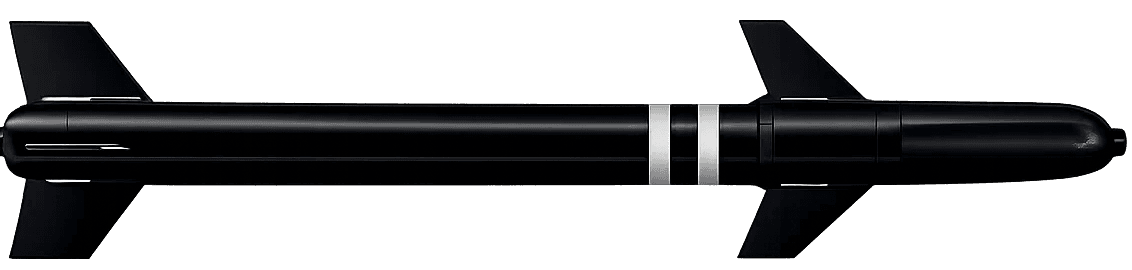
WARDEN is being developed as a family of interceptors intended to counter uncrewed aircraft, cruise missiles, and loitering munitions. The consortium envisages the weapons operating alongside established high-end air-defence systems, providing additional engagement options against threats for which larger interceptors may be unnecessarily expensive.
The agreement establishes a development partnership rather than a government production order. The consortium has not disclosed a contract value, committed procurement quantity, completed qualification programme, or confirmed date for operational service entry.
Guardian Dynamics will lead the programme as prime contractor and design authority. The company will retain responsibility for the overall interceptor design and coordinate the engineering and industrial organisations involved in developing the system.
Demcon has been appointed principal engineering partner, responsible for systems engineering, multidisciplinary development, preparation for manufacture, and integration of the interceptor, launch platform, and supporting systems. Its work will include management of the interfaces connecting the individual subsystems.
Axient Systems will contribute modelling and simulation expertise, including assessment of the proposed equipment against integrated air and missile-defence requirements. TNO will provide applied defence research and technical support for development, evaluation, and qualification.
The division of responsibilities reflects the need to develop the interceptor as an integrated system rather than a collection of independently designed components. Propulsion, guidance, control, structural equipment, and launch interfaces must operate together within the intended flight and engagement conditions.
Changes to one subsystem can affect the performance or qualification requirements of others. Alterations to propulsion equipment, for example, may change the loads, operating conditions, or physical interfaces that other parts of the missile must accommodate.
Similarly, guidance and control equipment must function within the characteristics of the selected airframe and propulsion arrangement. Modelling and simulation provide ways to examine those interactions before committing to more expensive physical tests, although their results must ultimately be supported by appropriate qualification evidence.
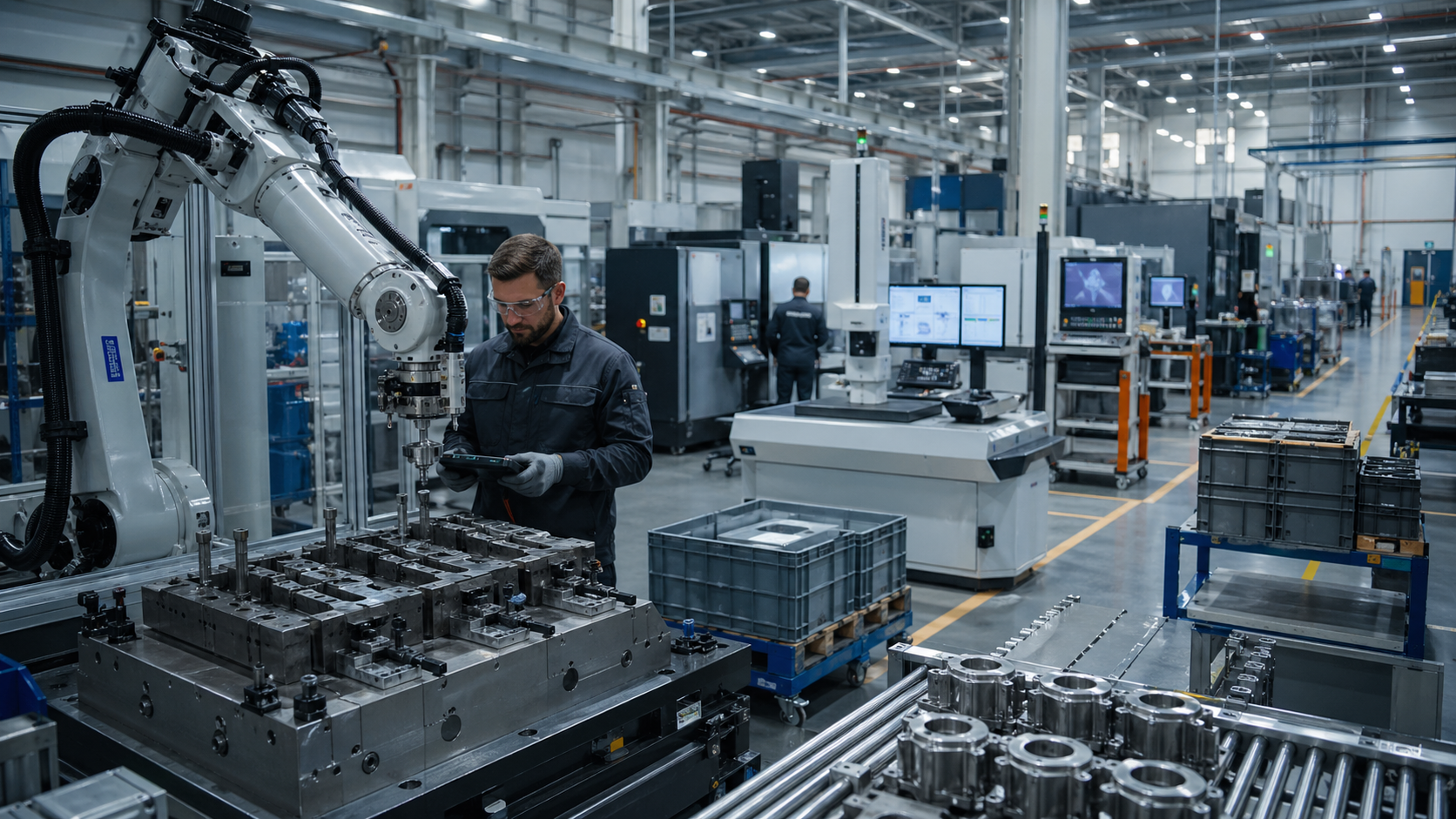
The WARDEN partners are developing a manufacturing strategy alongside the missile itself. The consortium intends to use existing qualified industrial capacity, including capabilities available in sectors such as automotive manufacturing, rather than depending entirely on the construction of new specialist factories.
The proposed network would include multiple suppliers and manufacturing locations. Its stated purpose is to reduce reliance on individual facilities, maintain continuity of supply, and provide options for increasing production when demand rises.
Automotive manufacturers possess established experience in repeatable production, automated assembly, process control, and the management of complex supplier networks. Those capabilities can offer a useful industrial foundation, although producing missile components requires compliance with the specific engineering and assurance requirements applicable to defence equipment.
Production equipment, material controls, inspection procedures, and technical documentation must be assessed before a supplier can manufacture a qualified component. The availability of industrial machinery does not automatically establish that a facility is authorised or technically capable of producing a particular missile subsystem.
A distributed network also requires consistent design information. Suppliers working at different sites need access to the approved technical configuration, controlled manufacturing instructions, and the inspection requirements governing the components they produce.
Qualification is therefore an essential part of the proposed manufacturing model. Without common standards and traceability, equipment produced at separate facilities may vary in ways that affect assembly, performance, or acceptance.
Guardian Dynamics intends to retain Dutch control over the missile design and core software, supported by appropriate rights to technology contributed by the participating partners. This arrangement is intended to preserve the ability to modify and support the system without depending entirely on an external design authority.
Software control also affects the longer-term development of the missile family. Navigation, guidance, and interfaces with command systems may require revision as technical requirements change, making configuration management and the verification of updated equipment important aspects of the programme.
The consortium’s development plans build on Guardian Dynamics’ existing work in short-range air defence. Its website describes the WARDEN NATO interceptor, although specifications associated with that product should not be assumed to apply unchanged to every configuration being developed under the newly announced programme.
Reporting from the European Defence Innovation Forum indicates that the partners envisage several interceptor variants, with Ukrainian industrial organisations expected to contribute to future component production and testing. Those arrangements remain development plans rather than confirmed serial production activities.
Saulo Waardenburg, chief executive of Guardian Dynamics, has linked the programme to the need for affordable interceptors that can be manufactured in sufficient quantities. The industrial strategy seeks to make production capacity part of the design process rather than addressing manufacturing expansion only after development is complete.
The consortium will now need to progress detailed engineering, establish the qualification requirements, and determine which suppliers can participate in the proposed production network. Testing, customer commitments, and evidence of repeatable manufacturing capability will establish whether WARDEN can move from its development agreement towards sustained production.