IN Brief:
- Polish defence minister Władysław Kosiniak-Kamysz says the Pentagon has given a favourable preliminary recommendation to Warsaw’s request.
- No US sale has been approved, and Poland has not specified missile numbers, launcher types or contract value.
- Any acquisition would require export approvals, system integration, logistics and training in addition to missile production.
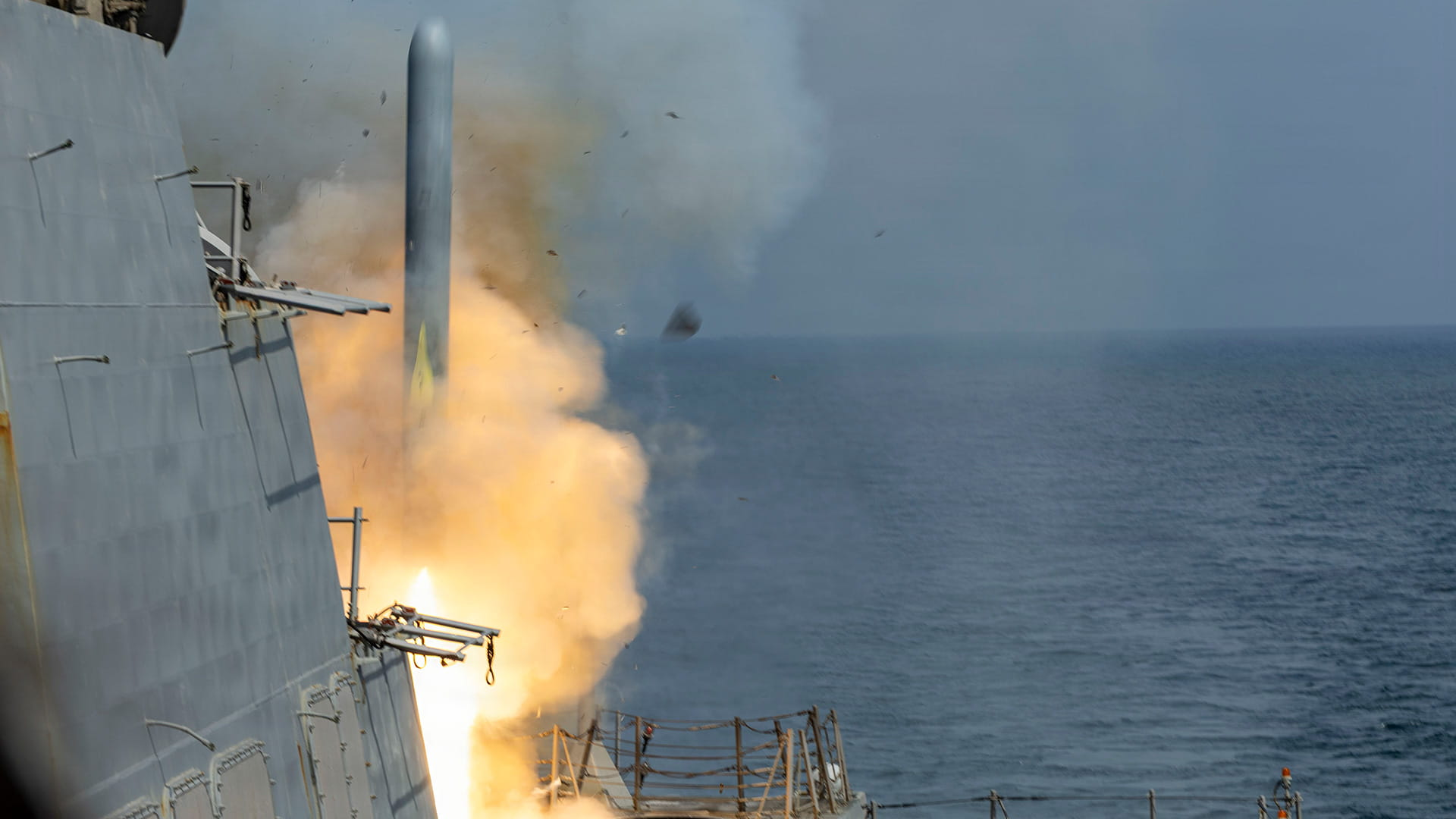
Poland has confirmed that it is seeking US-made Tomahawk cruise missiles and associated launch equipment. Defence Minister Władysław Kosiniak-Kamysz says the Pentagon has given a favourable preliminary response to Warsaw’s request following discussions in Washington. No US export sale has yet been authorised, and the possible acquisition remains subject to further government decisions and any applicable congressional review.
Warsaw submitted its request several months ago, according to Polish officials. Deputy Defence Minister Paweł Bejda has referred to possible consideration in early 2027, but the timing of any US decision is not a delivery commitment. The requested missile number, variant, launcher design, estimated price and acquisition schedule have not been made public, leaving the scope of a prospective order undefined.
Tomahawk is a subsonic cruise missile manufactured by RTX’s Raytheon business and currently used by US and UK naval forces. Poland’s proposal concerns missiles together with launch equipment, but officials have not established how the weapon would be deployed or which platform would be chosen. Its existing naval employment does not establish an approved land-based configuration for Poland.
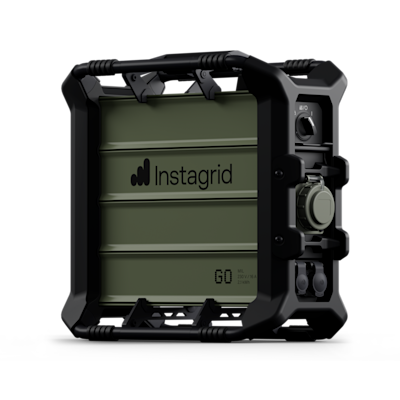
The US Army’s Typhon equipment provides one example of a ground-launched Tomahawk system, supporting Tomahawk and Standard Missile-6. Another mobile launcher concept has also been displayed commercially. Neither has been identified by Warsaw as its chosen solution. Comparing available systems can indicate the kinds of integration and support work involved, but it cannot substitute for the technical specification that would accompany a Polish acquisition.
Acquiring a cruise missile capability also entails launcher vehicles, electrical and control interfaces, authorised communications, storage and inspection facilities, and personnel training. A ground platform must support the selected weapon safely and communicate with the command system responsible for its use. The configuration ultimately requested by Poland would determine whether supporting equipment is purchased from the United States, integrated domestically or provided under another arrangement.
Ground launch systems face different installation and support requirements from ships equipped with integrated vertical launch cells. Naval equipment is connected to the vessel’s combat, electrical and maintenance systems; mobile platforms must also meet road transport and environmental constraints. Compatibility must be demonstrated for the actual missile variant and host system. A launcher design being able to carry a container does not establish that the full weapon and control chain has passed integration testing.
Poland’s Miecznik frigate programme includes Mk 41 vertical launch equipment, prompting speculation about a possible naval role for Tomahawk. No government announcement links the new request to an approved frigate integration effort. A shipborne capability would require separate decisions on missile compatibility, combat-system interfaces, support equipment, testing and acceptance, and should not be conflated with the request for associated launchers.
A preliminary Pentagon recommendation is not the same as an authorised foreign military sale. The eventual US export decision and any required congressional review would precede agreement on a defined equipment package, contract terms and delivery schedule. Until that process is completed, the government cannot be said to have ordered missiles, selected a launcher or secured manufacturing allocations on the strength of the reported recommendation alone.
Existing American and allied demand also influences the timing of a potential order. Raytheon and its suppliers have been increasing production plans for Tomahawk, but a stated annual output objective is not a stock of weapons immediately available for export. Deliveries to a new customer would depend on the approved configuration, supplier lead times and commitments already made under other procurement programmes.
Missile production depends on specialist propulsion, guidance, electronic and structural components, followed by controlled system assembly and acceptance tests. Higher final assembly capacity offers limited benefit if a critical supplier cannot deliver qualified equipment at the same rate. Storage, inspection, maintenance and training arrangements would also have to be in place before deliveries could support an operational Polish inventory.
Polish industrial participation is currently an open question. Maintenance or component work could be part of a future agreement, but export permissions, manufacturing qualifications and intellectual property conditions would affect what could be undertaken domestically. Warsaw has discussed broader US–Polish defence industrial cooperation without announcing Tomahawk-specific production, licensing or final integration commitments.
Poland is separately engaging in European long-range weapons initiatives that may progress on different schedules and create different opportunities for domestic suppliers. Those projects do not identify the configuration or industrial share of an eventual Tomahawk purchase. The government has not published how its requirements for a US system would align with European development work or other missile acquisition plans.
The next decision lies with the US approval process. A subsequent Polish acquisition would still require disclosure of the agreed missile and launcher package, quantity, price and timetable. At present, the confirmed facts are Warsaw’s request and its defence minister’s account of a favourable preliminary Pentagon response; no contract award, system selection or delivery date has been established.