IN Brief:
- IG Defence signed an MoU with Andhra Pradesh for a proposed 200-acre facility in Nellore.
- The company develops missile concepts alongside uncrewed and counter-drone systems, but the plant’s product mix has not been specified.
- A construction schedule, committed investment value, production quantity and customer order remain undisclosed.
Indian defence technology company IG Defence has signed a memorandum of understanding with the Andhra Pradesh government for a proposed 200-acre missile development and manufacturing complex in Nellore. The agreement was concluded during the CII Partnership Summit in Visakhapatnam on 13 November, marking an early commitment to examine an industrial project rather than the opening of an operational factory. A final investment value, production capacity and construction schedule have not been disclosed.
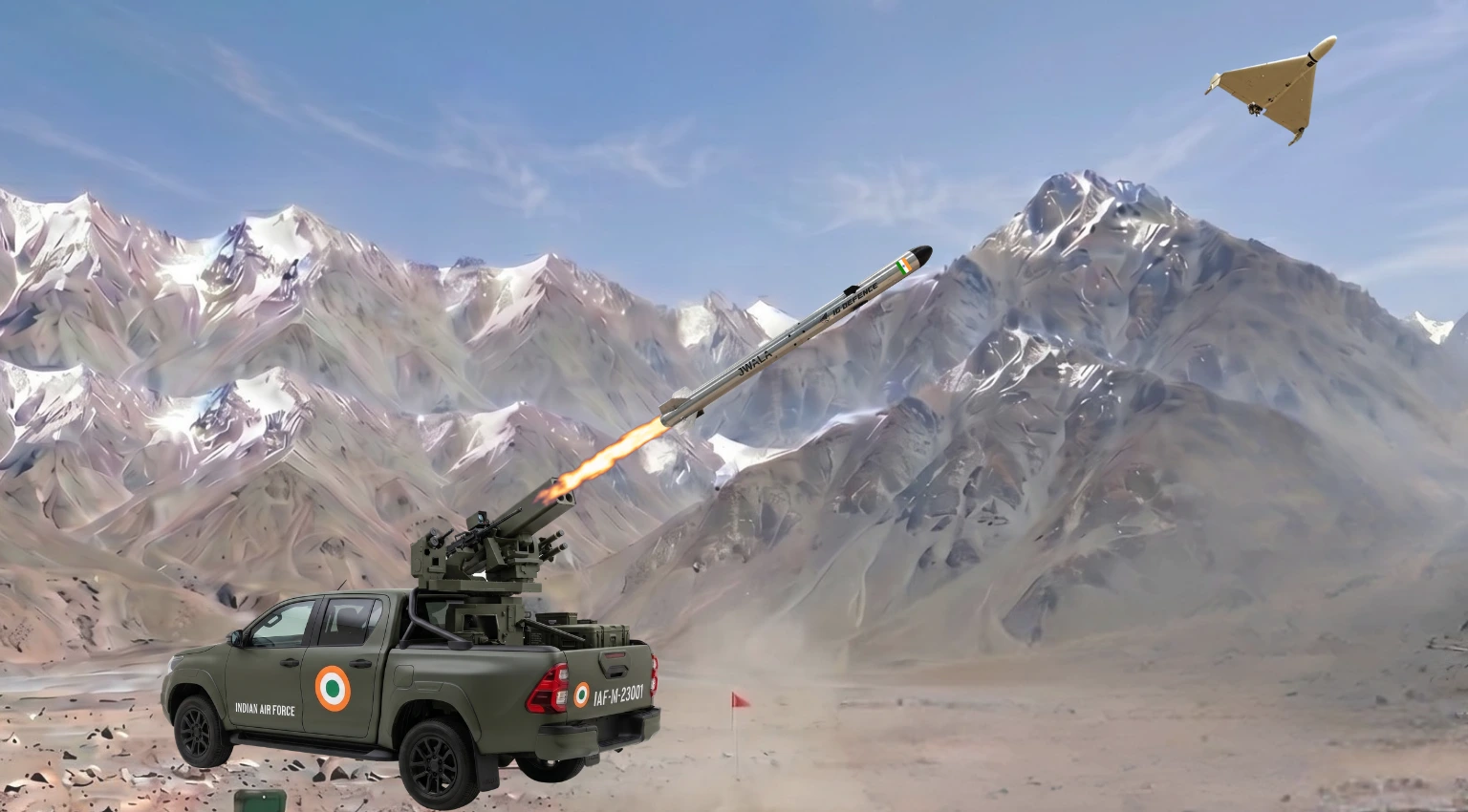
IG Defence is based in Noida and develops products across uncrewed aircraft, counter-drone systems, loitering munitions and tactical equipment. Its published portfolio also includes a short-range surface-to-air missile concept, JWALA MK1, which the company identifies as being in development. That product information provides context for its missile interests, but the Nellore agreement does not specify which designs would be built at the proposed site. Nor does it establish that any particular missile programme has received a customer order or production approval.
Andhra Pradesh presented the memorandum during the CII Partnership Summit in Visakhapatnam, where the state promoted investment in manufacturing, technology and infrastructure. Such agreements provide a framework for negotiating the next steps but do not themselves transfer land, finance a factory or grant production approval. IG Defence’s project will therefore require more detailed commitments before its proposed industrial footprint can be translated into construction and equipment procurement.
The proposed 200-acre site could accommodate engineering, assembly, inspection, testing and logistics, but the developer has not released a layout. Missile programmes impose different demands on structures, electronics and other subsystems, while any handling of energetic materials would introduce additional site-specific safety and regulatory requirements. Land area alone cannot establish the plant’s production rate or whether complete weapons, components or prototypes would be manufactured there.
Repeatable missile production depends on controlled mechanical dimensions, traceable electronic assemblies, verified control functions and consistent acceptance procedures. Replacing a component or material may change the configuration that has been tested, requiring further engineering review and, where applicable, renewed qualification. The Nellore proposal identifies a development and manufacturing ambition but does not itemise assembly lines, tooling, inspection systems or acceptance-test facilities that have been funded or ordered.
A design also has to cross a distinct boundary between prototype development and serial manufacture. Engineering trials establish whether a system can meet its intended operating conditions; production engineering demonstrates that the accepted configuration can be manufactured consistently. Tooling, process documentation, operator training and a qualified supplier base all affect that transition. Nothing disclosed about Nellore confirms that those facilities or procedures are already in place.
Electrical and mechanical components may need environmental qualification against vibration, temperature, humidity and other stresses expected in service. Tests differ according to whether equipment will be carried on a vehicle, stored for extended periods or used in harsh operating conditions. The memorandum specifies no certification framework, qualification schedule or allocation of testing between a future on-site laboratory and external facilities. Those details would follow the selection of actual programmes.
Supply chain qualification would be as important as the final assembly process. Processors, sensors, actuators, electrical components and specialist materials can have different origins and long lead times. A domestic facility must control part traceability, supplier changes and inspection evidence if it is to build systems to an approved configuration. IG Defence has not disclosed the proposed proportion of Indian-made components or any foreign licensing requirements associated with the site.
IG Defence already markets uncrewed surveillance platforms, counter-drone equipment and the JWALA MK1 short-range surface-to-air missile, which its website identifies as still in development. Experience across those products may provide overlapping electronics or systems engineering skills, but there is no announced link between a specific design and a Nellore production line. Nor has the company said whether other equipment families will be manufactured at the site.
The state has sought to attract higher-value industrial projects through investment promotion, with aerospace and defence among the sectors represented at the summit. Projects announced at such events pass through separate stages of approval, financing, site preparation and construction. The signed IG Defence memorandum establishes an intention to pursue a facility in Nellore; any subsequent capital commitment and construction timetable would need separate confirmation.
Any next phase would require the parties to define site availability, responsibilities for infrastructure, applicable regulatory conditions and the technical scope of the facility. A completed investment agreement could also identify the workforce, suppliers and training requirements associated with the project. Missile and defence equipment manufacturing is subject to programme-specific oversight, so commercial arrangements alone would not replace the approvals needed for actual production or the acceptance of completed equipment.
IG Defence and Andhra Pradesh have agreed to pursue a missile development and manufacturing complex in Nellore, but construction and production remain prospective. The parties have not published a capital commitment, a ground-breaking date, a customer order or a target output rate. Further land, regulatory, programme and funding decisions will determine whether the 200-acre proposal becomes an equipped and qualified factory.