IN Brief:
- The Finance Ministry has reportedly proposed ¥50tn–¥60tn for the five years beginning in April 2027.
- Some proposed missile and aircraft purchases could be substantially below earlier planning assumptions, including potential F-35 orders.
- Japan has not formally approved the spending envelope or announced cancellation of existing equipment contracts.
Japan is considering a smaller increase in defence procurement spending than some officials and suppliers had anticipated, creating uncertainty over future orders for missiles and military aircraft. The country’s Finance Ministry has proposed between ¥50 trillion and ¥60 trillion for the five years beginning in April 2027, according to people familiar with the discussions. The proposal exceeds the existing five-year programme but falls well below the approximately ¥80 trillion sought by some defence officials and ruling-party lawmakers.
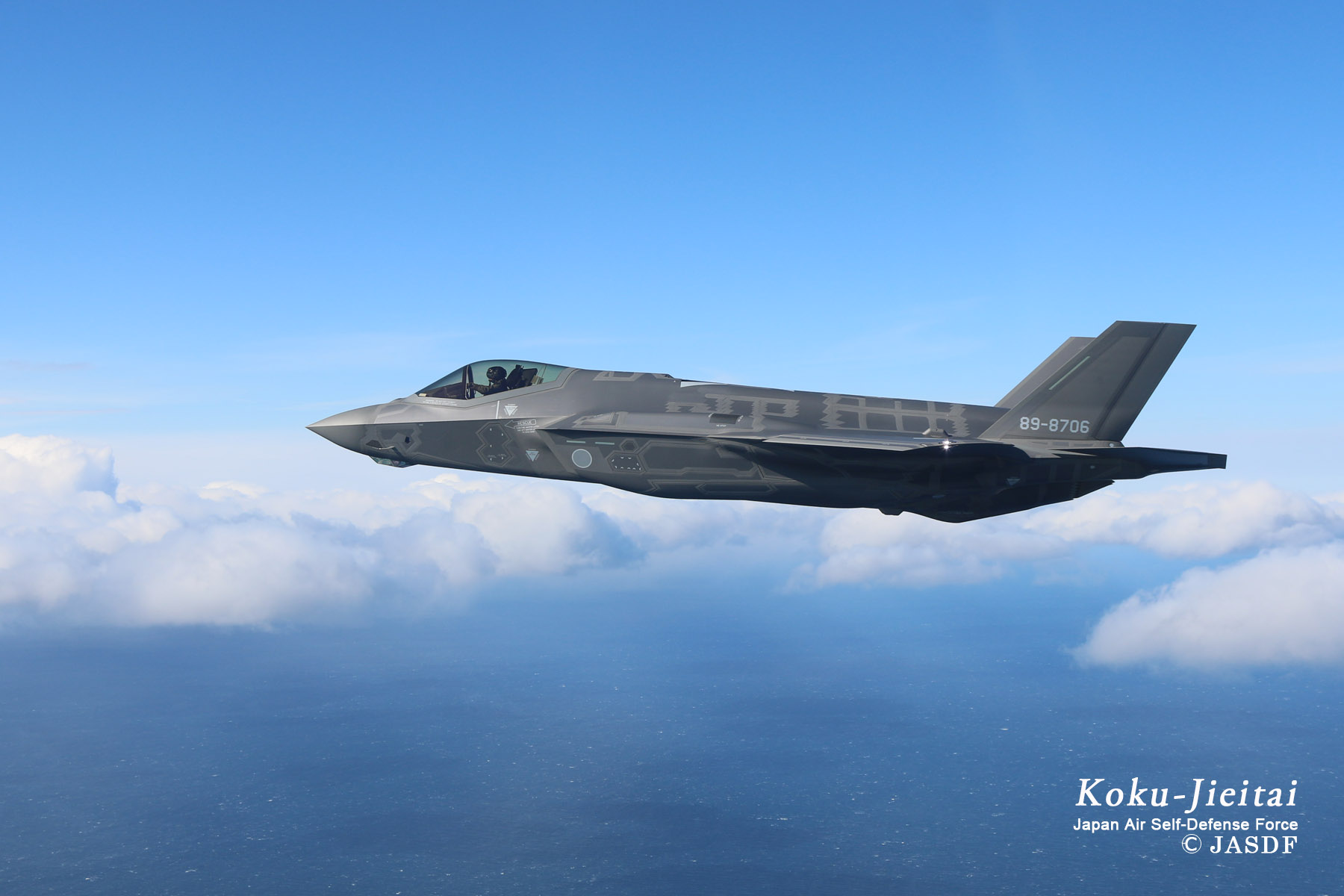
Four people familiar with the negotiations said defence contractors had been warned that expected purchases could be significantly lower than earlier assumptions. Some planned missile and aircraft orders, potentially including US-built F-35 fighters, could be reduced by as much as half. That estimate concerns future purchase intentions, not cancellations of signed contracts or a government-approved equipment list. Japan has not adopted the proposed spending envelope or announced the affected quantities.
Japan’s published Defence Buildup Program covers fiscal years 2023–2027 and provides approximately ¥43 trillion for defence capability development. The new Finance Ministry proposal concerns a further five-year spending envelope said to begin in April 2027. Because the reported start date overlaps the final fiscal year of the current published programme, the transition and accounting boundaries require clarification when a formal plan appears. Neither the ¥43 trillion nor the proposed ¥50 trillion–¥60 trillion can be treated as an annual budget or assigned directly to particular manufacturers.
Some defence officials and ruling Liberal Democratic Party lawmakers had worked with assumptions closer to ¥80 trillion, according to those familiar with the negotiations. Finance Ministry officials are questioning whether spending at that level can be funded alongside competing government commitments. Finance Minister Satsuki Katayama declined to confirm the details, and a Defence Ministry spokesperson said no decision had been made on the overall size of the next programme.
Japan’s 2026 defence budget already provides evidence of the breadth of the industrial undertaking. The ministry has set out funding for domestically developed stand-off missiles, including upgrades to the Type 12 surface-to-ship missile, hypersonic projects and systems launched from ships or submarines. It also lists foreign-built weapons, platform modifications and the integration work required to field them. Reducing future procurement ambitions would affect different programmes in different ways depending on their contractual stage and the proportion of work already authorised.
Missile production illustrates the connection between an order forecast and manufacturing capacity. A weapons programme depends on numerous suppliers for propulsion, control electronics, actuation, structures and testing equipment. Companies making investment decisions must determine whether predicted volumes justify additional tooling, production shifts or long-term component commitments. A reduction in forecast output can change those calculations even when the engineering programme continues and no signed purchase order is cancelled.
Production rates also depend on the order profile rather than its nominal total alone. A manufacturer planning regular multi-year deliveries may commit to automated inspection equipment, specialist fixtures and workforce training. If annual demand is reduced or delayed, maintaining that capacity becomes more expensive per unit. Conversely, concentrating orders into a shorter period can strain qualified suppliers and acceptance-test facilities. The eventual Japanese programme will therefore be significant for the timing and structure of contracts as well as their aggregate value.
Aircraft acquisition adds another set of industrial relationships. Imported fighters such as the F-35 depend on foreign assembly and international supply arrangements, but national operators still require equipment integration, mission support, training, maintenance infrastructure and spare parts. Domestic contractors can participate in sustainment or subsystem work without manufacturing an entire aircraft locally. Any adjustment to planned aircraft purchases would therefore need to be distinguished from changes to long-term support obligations for fleets already in service.
Japan’s principal defence manufacturers include Mitsubishi Heavy Industries, Mitsubishi Electric and Kawasaki Heavy Industries, each active in substantial military engineering or equipment programmes. The reported discussions do not identify revised orders for any of those companies. Mitsubishi Heavy Industries and Mitsubishi Electric declined to comment; no company-specific reduction in revenue, deliveries or manufacturing employment can be calculated from the proposed aggregate spending figure.
The Finance Ministry is also weighing spending on economic growth against a proposed removal of sales tax on food. People familiar with the discussions have associated that policy with an annual revenue shortfall of around ¥4.3 trillion. Higher defence expenditure would therefore compete with other fiscal commitments, and lawmakers favouring faster military expansion are expected to challenge the lower envelope. A settled budget, programme mix and funded order schedule have yet to emerge.
The effect may also differ by equipment category. One person familiar with the discussions said drone purchases were expected to remain protected, even as some conventional aircraft and missile orders faced reductions. That is not a binding government exemption: no approved list of protected projects or revised quantities has been issued. Domestic manufacturers and international suppliers cannot yet determine how any adjustment would be distributed across their own programmes.
The current Defence Buildup Program emphasises output, resilience and the ability to sustain equipment over its operating life. Those commitments require more than initial capital purchases: maintenance, ammunition stocks, upgrades, facilities and training remain continuing costs. A future budget that gives a different balance to these requirements could alter orders without abandoning the underlying capability objectives. Suppliers will need a confirmed schedule, production quantities and contractual arrangements before adjusting factory plans with confidence.
Negotiations over the next defence programme continue without an approved spending ceiling or published list of cancelled equipment contracts. The reported ¥50 trillion–¥60 trillion proposal is larger than the existing five-year plan but materially below the assumptions used in some supplier discussions. Until order quantities and contractual schedules are settled, the measurable industrial effect is uncertainty over prospective demand, rather than a verified reduction in deliveries under existing awards.