IN Brief:
- Babcock and ST Engineering have signed an MoU covering international naval design, integration, and support opportunities.
- The work may encompass Arrowhead designs, ARMOR Force autonomous systems, new-build projects, and maintenance infrastructure.
- Customer contracts, production allocation, investment amounts, and delivery schedules have not been announced.
Babcock International Group has signed a memorandum of understanding with Singapore-based ST Engineering covering potential cooperation on international naval construction and support programmes. The agreement, dated 16 November, focuses partly on emerging markets in the Indo-Pacific and combines the businesses’ shipbuilding, platform integration, and maritime engineering capabilities.
The scope covers ship design and construction expertise, potential shipbuilding projects, and maintenance, repair, and overhaul support for future Arrowhead, ARMOR Force, and other maritime programmes. Neither party has named a customer, allocated a shipyard, identified vessel quantities, or committed investment under the memorandum. Any construction or support work would require subsequent project agreements.
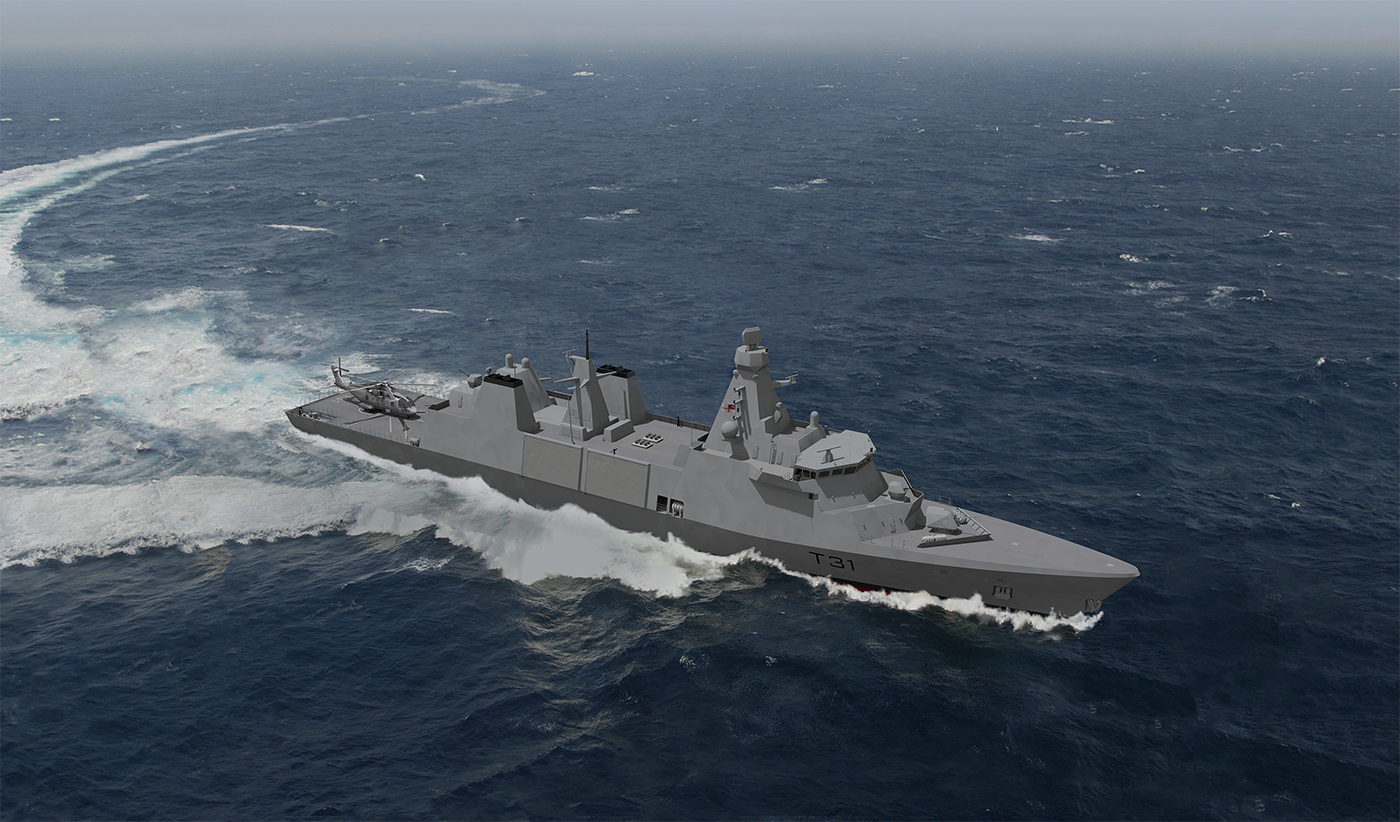
Babcock’s Arrowhead family underpins its approach to international surface ship design, which can involve national shipyards and domestic suppliers. A common design does not eliminate customer-specific engineering: navies still select sensors, weapons, combat systems, and communications, and must approve changes to certification, crewing, and maintainability. Before fabrication or integration can be allocated between partners, the required design baseline and responsibility for those interfaces must be agreed.
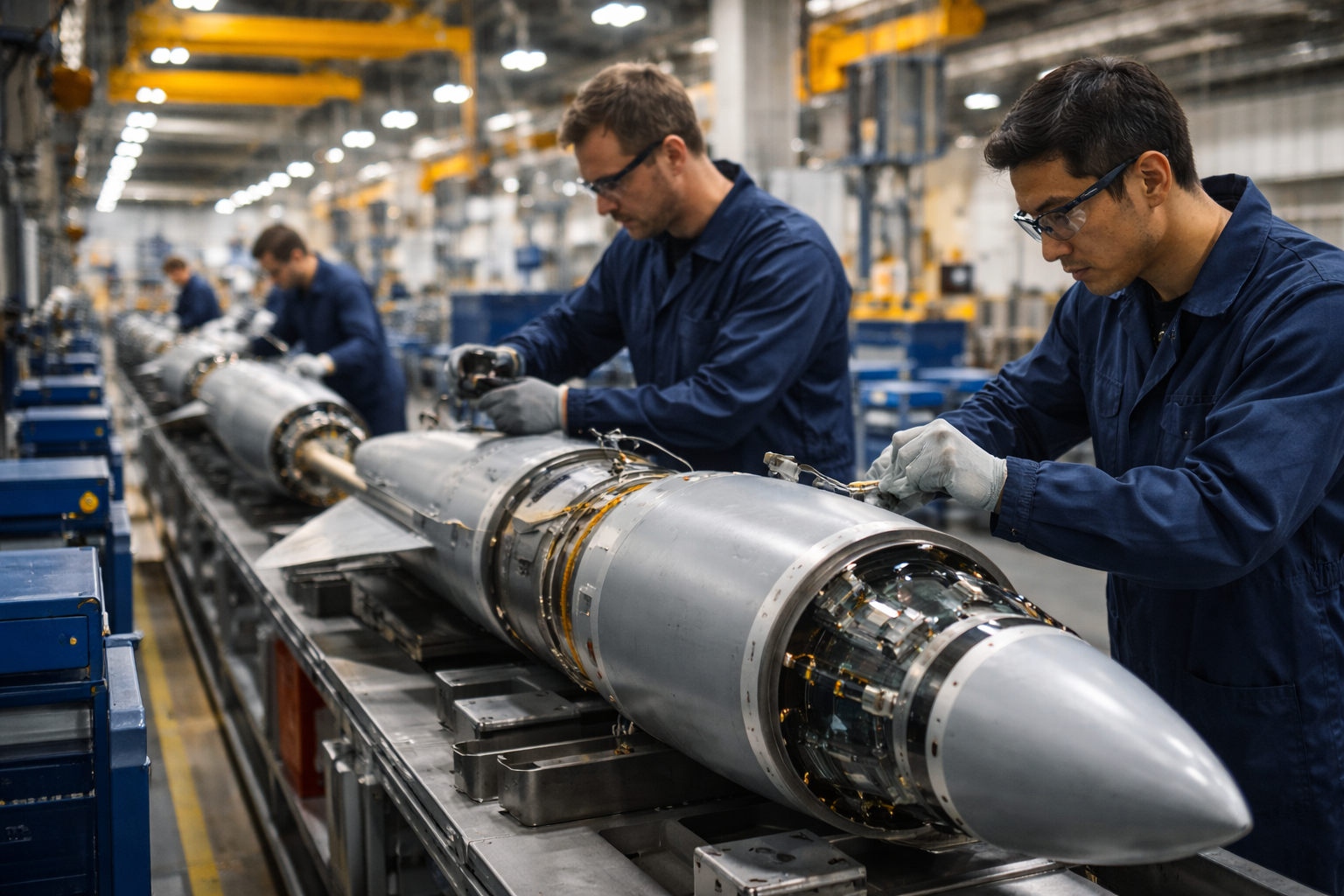
ST Engineering brings an established shipbuilding and naval systems integration operation. Its Singapore marine business is responsible for the detailed design and construction of six Multi-Role Combat Vessels for the Republic of Singapore Navy under an earlier, separate programme. That work encompasses platform equipment, integration, and integrated logistics support, with deliveries expected progressively from 2028. The existing contract provides background to ST Engineering’s marine capabilities but is not part of the newly signed Babcock agreement.
Babcock and ST Engineering have worked together on a separate land systems proposal. In September 2024 they unveiled a UK-manufactured 120mm Ground Deployed Advanced Mortar System based on ST Engineering technology, intended for a British defence requirement. That programme does not form part of the 16 November maritime memorandum, but establishes that the companies’ engineering relationship predates the new international shipbuilding discussions.
ARMOR Force provides another possible area of cooperation. Babcock has developed the framework around integration of crewed and uncrewed maritime assets, sensors, mission systems, and communications, with partners contributing technologies to a modular architecture. Its separate early-November expansion added technology suppliers; the agreement with ST Engineering concerns potential international engineering, build, and support work rather than another confirmed platform deployment.
Integrating autonomous maritime systems presents engineering and support requirements beyond selecting an uncrewed vessel. Communications links, navigation sensors, mission payloads, software interfaces, operator controls, and safety cases must operate together and be maintained across changing hardware and software versions. A maritime systems integrator must establish responsibility for interface testing, configuration management, and acceptance of the completed capability rather than leaving those tasks divided between unrelated suppliers.
Maintenance, repair, and overhaul is an explicit focus of the new partnership. Ship availability depends on access to inspected replacement parts, qualified repair processes, software configuration records, and technicians able to work on the installed equipment. Combat-system updates and equipment obsolescence can affect maintenance schedules as directly as hull or propulsion work, especially when ships operate far from their original construction yard.
Babcock introduced Pelorus, a platform intended to link information from construction with fleet operation and sustainment, earlier in November. There is no disclosed commitment to deploy Pelorus through the ST Engineering memorandum. The separate development illustrates the type of ship configuration and maintenance information that any international support arrangement would need to manage across construction and service.
The Indo-Pacific is identified as a region of interest rather than the location of an agreed customer programme. A future export project would need to resolve local construction obligations, equipment approvals, export permissions, and technology transfer before assigning work between British, Singaporean, and facilities in the customer country. None of those allocations has been announced.
A regional repair network would also need access to approved technical data, tooling, spares, and the relevant system suppliers. Establishing a support facility is therefore different from committing to maintain a particular class of ships: service levels, warranties, training, licensing, and technical authority have to be defined for each fleet. Babcock and ST Engineering have not identified a regional support centre or signed maintenance contract under the new arrangement.
Babcock had already expanded the ARMOR Force technology framework with a broader supplier ecosystem earlier in November. The 16 November memorandum adds a prospective international maritime partner with shipbuilding, systems integration, and support capabilities. A named customer project, workshare allocation, or binding maintenance contract would provide the next evidence that the cooperation is progressing towards delivery.