IN Brief:
- Brave1 and Ukraine’s defence ministry evaluated reconnaissance UAVs submitted by nine domestic manufacturers.
- The testing assessed electronic warfare resilience, video and data transmission, operating time and relevant tactical characteristics.
- Defence officials want an endurance of 60 minutes or more, but have not published awards, order quantities or comparative scores.
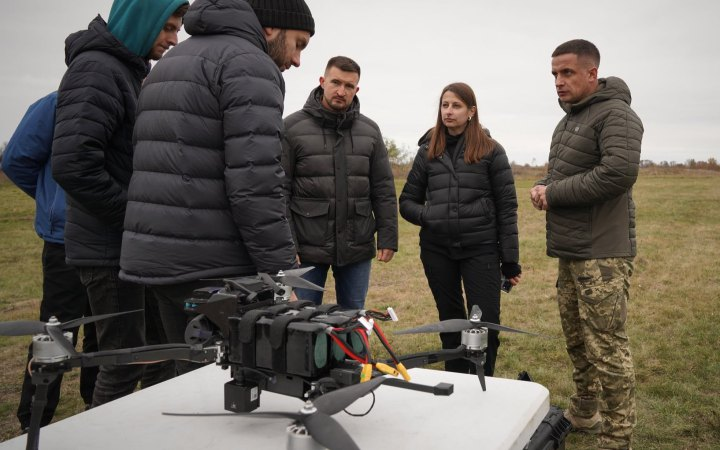
Ukraine’s Ministry of Defence and the Brave1 defence innovation cluster have tested reconnaissance drones from nine domestic manufacturers as part of an effort to identify alternatives to the widely used DJI Mavic class. The evaluation examined electronic warfare resistance, video and data links, flight duration and other operating characteristics, with successful manufacturers now moving towards possible military supply contracts.
The ministry reported the tests on 12 November and said manufacturers whose aircraft demonstrated readiness are progressing towards contracts. It did not publish comparative scores, identify every participant or disclose expected orders. The trials are therefore a step between prototype evaluation and procurement rather than a completed purchase of aircraft from all nine suppliers.
Small multirotor aircraft are widely used for reconnaissance because they can launch from constrained locations and provide imagery beyond an operator’s immediate line of sight. Civilian platforms offered Ukraine a readily available initial capability, but sustained military use exposes limits in communications resilience, endurance and navigation. The domestic alternatives are being assessed against these operational demands rather than simply their resemblance to commercial Mavic models.
Electronic warfare can affect an aircraft’s control link, video transmission and satellite positioning separately or together. A drone may continue flying when a position signal is degraded yet become ineffective for reconnaissance if the camera feed cannot reach the operator. The aircraft, aerials, controller and software all shape resilience. Ukraine therefore evaluated both resistance to interference and data link quality, without publishing measured results for particular manufacturers.
Operation without a dependable GPS fix is an explicit aim of the Ukrainian programme. Navigation may then require a combination of onboard sensors, flight-control software and estimates of movement, each with its own error characteristics. The ministry has not identified the navigation methods fitted to the nine aircraft or disclosed the conditions and limits under which they were assessed. A general requirement for operation without GPS is not evidence that every submitted system achieved it.
The ministry wants aircraft capable of remaining airborne for at least 60 minutes and operating at greater distances so their crews can control them from safer positions. This is a desired specification, not a reported performance figure for the nine test entrants. Endurance depends on battery capacity, airframe weight, propulsion efficiency, carried sensors and weather, while increasing the size of the battery also adds mass to the aircraft.
Longer flight duration increases the importance of stable command and video links. A system must transmit sensor data at usable quality and delay while continuing to receive control commands reliably. Testing these functions separately can expose an aircraft that flies long enough but cannot maintain the necessary connection at the intended distance. The MoD has not published the ranges achieved or a comparison of data link performance among participating designs.
Familiar operator controls were another stated requirement. Ukrainian crews already have experience with Mavic-style interfaces; a completely different control workflow could impose additional training and support demands. Developers must balance new electronics and greater resilience with the ability of personnel to set up, control and maintain the aircraft. The ministry has not imposed a public ground-station interface standard through the reported trials.
Sustaining domestic fleets requires repeatable manufacturing as well as successful prototype flights. Airframes, batteries, motors, sensors, software and replacement parts must be available in accepted configurations as designs evolve. Quality records and inspection can help identify whether later production aircraft match the performance of an evaluated example. The ministry has not announced factory capacity, supplier awards or any production allocation resulting from these tests.
Brave1 connects Ukrainian developers with military requirements and testing opportunities, allowing feedback to reach engineering teams before equipment is procured. Trials with military users can reveal transport, setup and maintenance problems in addition to flight performance, although the ministry has not described the individual feedback received at this event. Those findings may guide redesign and additional testing before contracts are finalised.
A supplier progressing towards a contract must still agree the accepted aircraft configuration, quantity, delivery checks, support arrangements and the responsibilities for software updates. Changing sensors, aerials or flight-control software after testing can alter endurance and resilience, making configuration records relevant to later production and acceptance. The ministry has not said which suppliers have reached contract signature or whether their evaluated designs will require more qualification.
The defence ministry has not identified the number of manufacturers likely to receive awards, the value of potential orders or a delivery calendar. Nor has it released a common technical standard or scores for the nine designs. The reported trials establish that the systems were assessed against operational requirements, not that a particular model has completed all acceptance steps or entered service.
Ukraine’s next measurable steps will be signed contracts, named suppliers and deliveries of aircraft built to agreed configurations. The nine-manufacturer evaluation provides the procurement teams with evidence on interference resistance, flight duration, communications and familiar control interfaces. The results reported so far establish a route from testing towards contracting, while the final production volumes and fielding timetable remain undecided.