IN Brief:
- Türkiye's defence procurement authority has contracted Otokar to develop and supply 4×4 tactical wheeled armoured vehicles.
- The order includes after-sales services for vehicles entering the Turkish Land Forces inventory.
- Deliveries are scheduled to finish by the end of 2028, with neither contract value nor vehicle numbers disclosed.
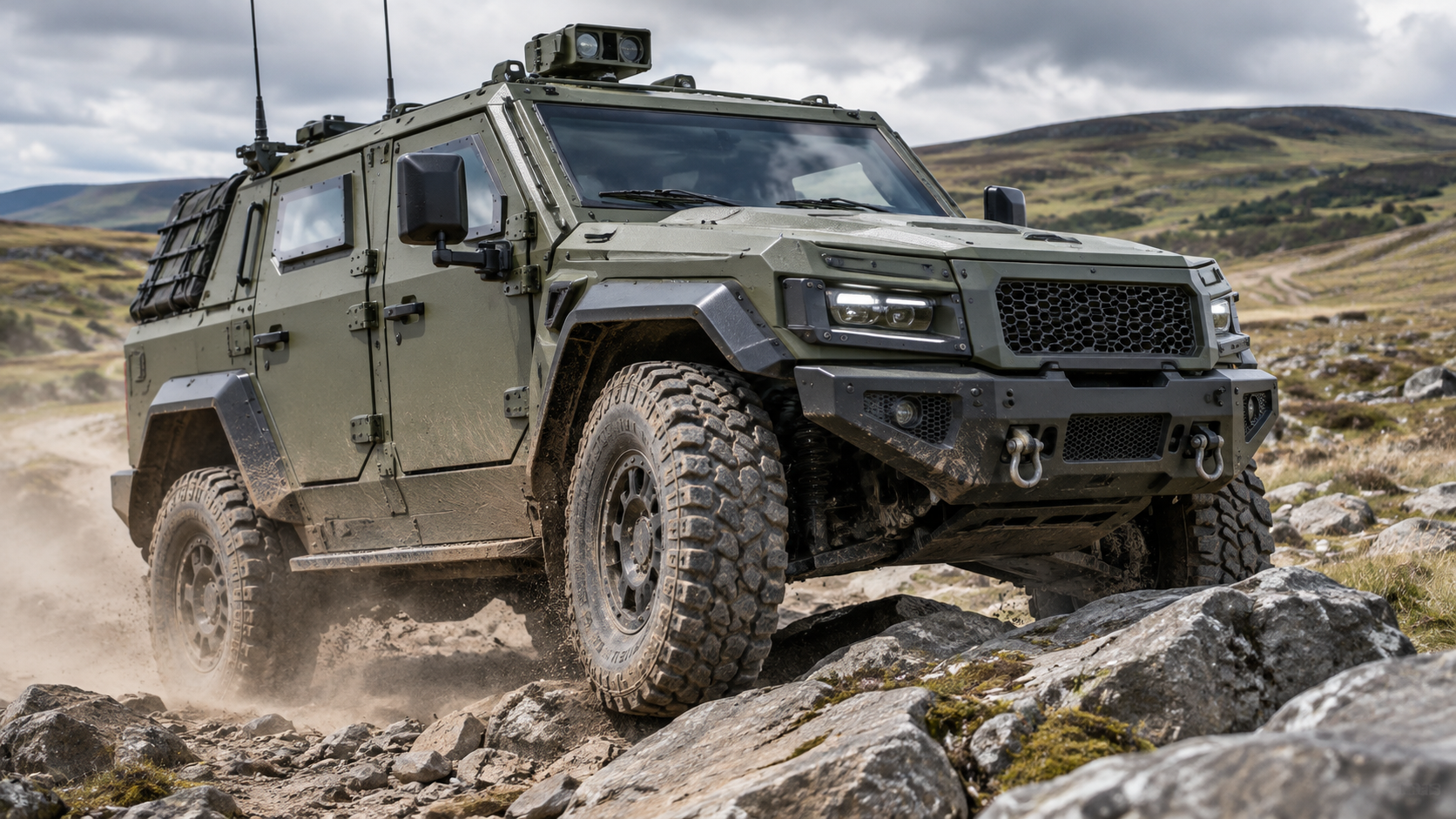
Otokar has signed a contract with Türkiye’s defence procurement authority to develop and supply 4×4 tactical wheeled armoured vehicles for the Turkish Armed Forces. The agreement, announced on 16 November, also includes after-sales services for the vehicles that will enter the Turkish Land Forces inventory. Otokar plans to complete deliveries by the end of 2028.
Türkiye’s Presidency of Defence Industries, or SSB, has placed the order for tactical wheeled vehicles intended for the Land Forces. Otokar’s Turkish-language statement calls the assignment a domestic armoured vehicle development project, adding a design commitment to the supply and support work described in its English account. No platform name, vehicle number, contract price, or production configuration has been disclosed, so the new requirement cannot be attributed to COBRA II or another existing model.
Developing a protected 4×4 platform brings together a structural body, running gear, engine and transmission, crew layout, electrical systems, and any customer-selected mission equipment. The weight and position of armour and installed systems influence mobility and durability requirements, while changes to the powertrain or protection configuration alter the testing needed before customer acceptance. The announcement establishes the development task without identifying a baseline design or a prototype qualification programme.
Otokar’s wider vehicle portfolio includes modular 4×4 designs configured for a range of missions, with protection against ballistic threats, mines, and improvised explosive devices. That experience provides a possible engineering foundation for the work, but published capabilities for existing products are not specifications for the vehicle ordered on 16 November. The new contract supplies no protection rating, payload, propulsion selection, or weapon system fit.
Armoured vehicle engineering involves compromises between protection, weight, mobility, and internal volume. Increasing the mass of protective structures affects suspension loads, braking, tyre selection, cooling, and operating range, while adding communications or weapons equipment can raise electrical and thermal demand. The extent of these trade-offs on the Turkish requirement cannot be calculated until the chosen configuration and acceptance criteria are identified. The contract establishes the requirement for further development rather than providing a technical data sheet.
After-sales support forms a second contractual responsibility alongside vehicle development and delivery. A fleet’s availability depends on maintenance instructions, spare parts, diagnostic access, component replacement, and configuration control once the vehicles enter service. Otokar has confirmed that support is included, without itemising the services, their duration, or whether technical training and dedicated support equipment are covered. Those details will influence the programme’s long-term sustainment arrangements.
Otokar belongs to Koç Group and reports that more than 33,000 of its military vehicles are operating with over 80 end users in almost 50 countries. It describes itself as Türkiye’s largest exporter of land systems over the preceding two years. These are historical measures of the company’s industrial footprint, rather than indicators of the new Turkish contract’s size or a guarantee of the production resources allocated to it.
An existing Romanian manufacturing operation demonstrates how Otokar can organise local vehicle assembly and systems integration under a different national programme. Its Romanian work includes COBRA II production following the acquisition of a local manufacturer, but the 16 November Turkish order specifies neither international subcontracting nor production outside Türkiye. The programme’s industrial allocation therefore remains to be confirmed independently of the company’s other commitments.
Prototype construction and qualification will be consequential stages if the domestic development programme follows a conventional vehicle acquisition route. Mobility trials, protection testing, endurance assessment, and electronics integration can expose design issues before production configurations are accepted. Otokar has not published interim dates or a prototype count, and its end-2028 delivery target should not be represented as evidence that serial production or military acceptance has already begun.
The Land Forces will ultimately need to incorporate the vehicles into maintenance and supply arrangements as well as the operational inventory. Commonality with existing equipment could affect spares, specialist tools, and crew training, but the undisclosed platform identity prevents a meaningful assessment of that commonality. The contract provides an outer delivery date while leaving the acceptance sequence and fleet introduction plan unspecified.
Otokar’s next measurable milestones are confirmation of the vehicle configuration, development and testing progress, and the number of units committed under the contract. The company currently expects deliveries to finish by the end of 2028 and has accepted an associated after-sales obligation. Neither the first delivery date nor the total contract value was included in the announcement.