IN Brief:
- ASELSAN disclosed contracts worth €1,281,101,744 with Turkish missile manufacturer ROKETSAN on 16 November.
- The contracts concern missile seeker systems and data links, two distinct elements of guided-weapon electronics.
- The official filing gives no missile programme, production quantity, equipment split, or delivery timetable.
ASELSAN has signed missile electronics supply contracts with ROKETSAN worth a combined €1,281,101,744, covering missile data links and seeker systems. The Turkish defence electronics company disclosed the agreements through the Public Disclosure Platform on 16 November, identifying ROKETSAN as its customer and the same date as the start of the new business relationship.
The 16 November filing identifies a combined contractual value and two equipment categories, without naming a missile, customer end user, quantity, allocation between systems, or delivery timetable. The disclosure establishes a substantial component supply agreement but does not provide a basis for estimating production rates or associating the order with an individual weapon programme. Subsequent programme disclosures will be needed before the equipment can be assigned to particular missile configurations.
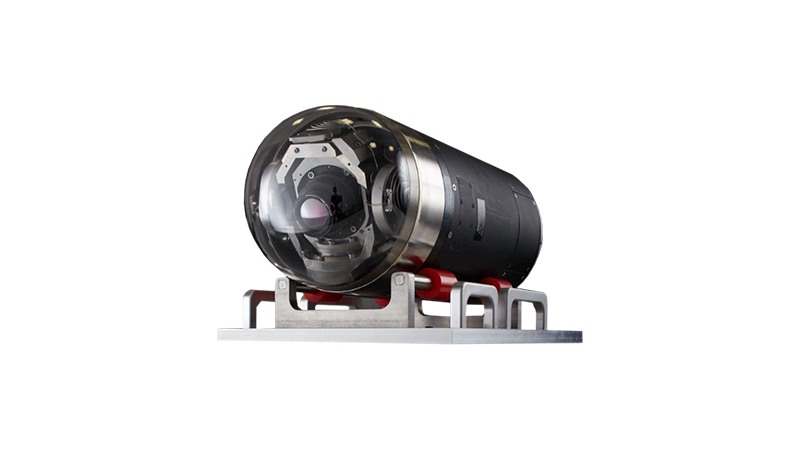
A seeker provides a guided weapon with information used to locate or track its intended target, generally during the later part of flight. Depending on the design, it can use radar or infrared sensing and must process the signal while the weapon is subject to vibration, acceleration, temperature change, and limited available electrical power. Its electronics and sensing elements are closely linked to the missile guidance and control system, making their integration a significant engineering task.
A data link performs a different function, moving information between the missile and an external platform during flight when the weapon architecture provides for it. It may support updated target information, mission commands, or status messages, but its actual functions depend on the system being developed. The 16 November filing uses the general description of missile data-link systems and does not confirm a particular communications standard, operating frequency, or data exchange arrangement.
Seeker design and missile communications impose different manufacturing demands. Optical or radio-frequency sensing, signal processing, antenna integration, embedded software, and environmental screening can all be involved, depending on the system. A seeker must withstand launch and flight loads while maintaining sensor alignment; a data link must preserve the communications function within the missile’s mass, power, and electromagnetic constraints. Neither subsystem’s detailed architecture is identified in the new agreements.
The existing commercial relationship is visible in ASELSAN’s regulatory filing. ROKETSAN accounted for 5.6% of the supplier’s net sales in its latest reported income statement and 7.3% of trade receivables in its latest published balance sheet. Those historical percentages quantify the customer’s importance before the new awards; they do not establish how much revenue the November contracts will contribute in any particular future accounting period.
ASELSAN expects the contracts to increase revenue, although recognition will depend on contractual milestones that remain undisclosed. Engineering, production, tests, acceptance, and delivery may occur at different times, and the company’s filing provides no profile for those activities. The €1,281,101,744 agreed value therefore represents contracted business rather than revenue immediately recognised or cash already collected.
ROKETSAN develops and manufactures guided weapons, while ASELSAN supplies electronics and sensing systems across Turkish defence programmes. Their established work together provides industrial context for the latest agreements but cannot identify the receiving weapon platform. Specifications for a seeker or data link are driven by the chosen flight profile, target environment, available power, and host guidance architecture; none of those programme-specific parameters appears in the November disclosure.
A separate agreement in September covered €1,234,210,000 of air defence subsystems for ROKETSAN, while IN Defence previously covered another ASELSAN air defence export contract disclosed in November. The latest missile seeker and data-link agreements are separate announcements. Their values should not be combined as though they were one programme award or treated as amendments without a company filing establishing that connection.
Manufacturing a qualified missile electronic assembly requires controlled components, repeatable calibration, traceable test results, and compatibility with the complete weapon. Qualification can encompass vibration, temperature, electromagnetic conditions, and the behaviour of software under defined interfaces. The volume and timing of that work depend on the contracted configurations and acceptance requirements. With no published quantities or schedule, factory utilisation and future handover dates cannot yet be calculated.
The new contracts enlarge ASELSAN’s disclosed business with ROKETSAN by more than €1.28bn and identify missile seekers and data links as the supplied categories. Programme names, production quantities, and delivery milestones remain absent from the regulatory record. Those details will determine which missile systems receive the new components and when the equipment moves from manufacturing into accepted deliveries.