IN Brief:
- ICEYE has announced a voluntary all-cash tender offer for Avio at €41 per share, valuing it at approximately €2bn.
- The proposed combination would join radar satellite systems and operations with Vega launch and propulsion manufacturing.
- Avio is assessing the bid; ICEYE plans a further €1bn of Italian investment only if the acquisition proceeds.
ICEYE has proposed an all-cash acquisition of Italian launch and propulsion company Avio, offering €41 for each ordinary share through its indirectly wholly owned Italian subsidiary Iris 2. The voluntary tender offer, announced on 17 November, values Avio at approximately €2 billion and aims to take the company off the Milan stock exchange. Avio’s board has begun assessing the proposal, but the companies have not completed a transaction. Regulatory approvals, tender conditions, and shareholder participation still stand between the proposal and a change of ownership.
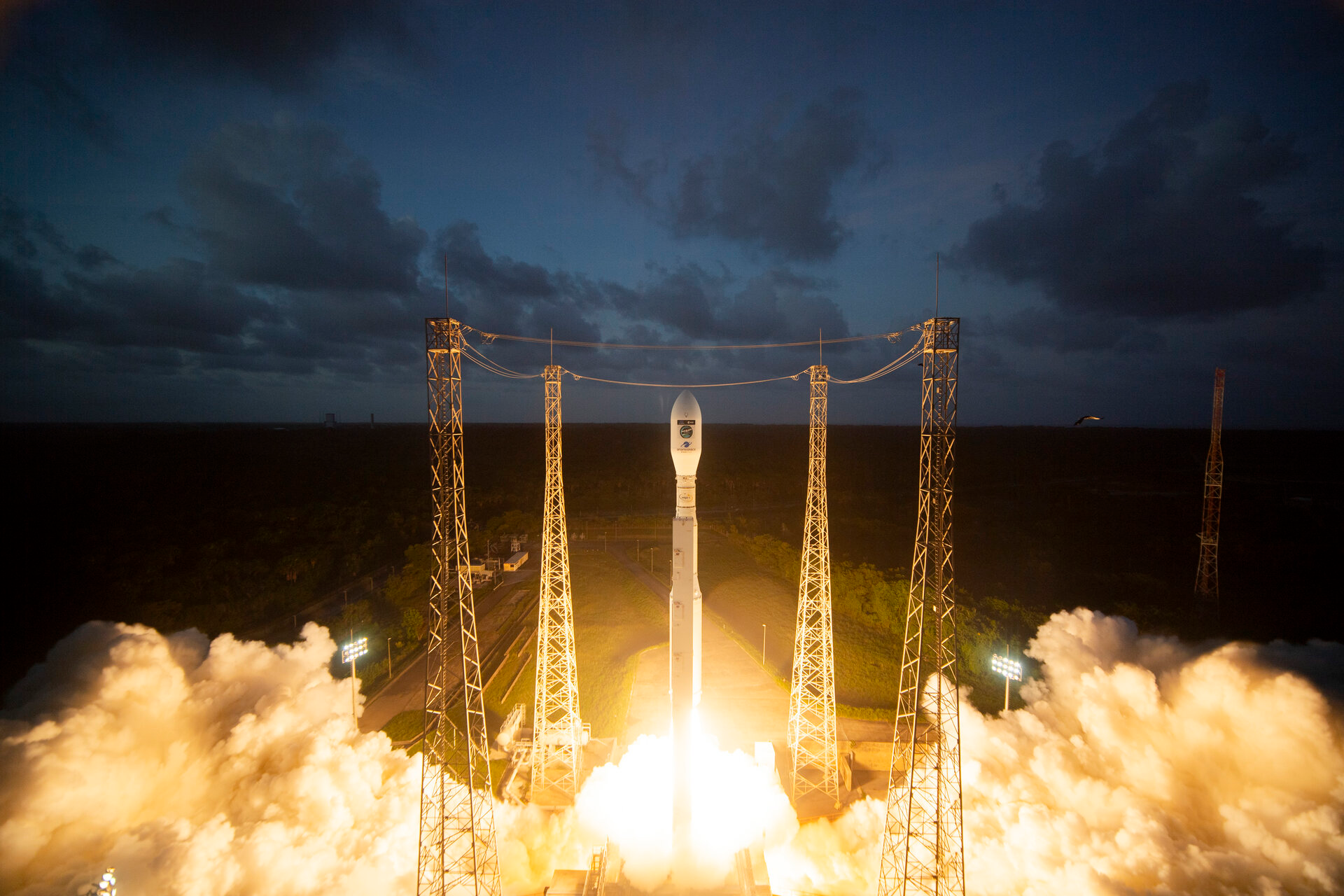
The Finnish-founded satellite group operates synthetic aperture radar, or SAR, spacecraft used for imagery and intelligence applications. Avio manufactures launch and propulsion systems, including the Vega rocket family, and has growing involvement in defence-related propulsion. Bringing the businesses together would combine satellite production and operation with important parts of the technology needed to place spacecraft into orbit. That industrial logic is central to ICEYE’s case for the deal, although the proposal has yet to establish how the two operations would be reorganised if the acquisition succeeds.
ICEYE’s bid represents a premium of 21.3% to Avio’s closing share price on 16 November and approximately 34.8% to the company’s three-month volume-weighted average share price, according to the bidder. The stated consideration is payable entirely in cash, while ICEYE intends to fund the transaction through a combination of available cash and debt. An announced purchase price is not the same as financing having been drawn, and the terms of any debt package were not fully detailed in the initial account of the bid.
ICEYE’s interest in Avio links two consecutive stages of the space industry. Synthetic aperture radar spacecraft emit microwave pulses and analyse their reflections, generating observations at night and through many conditions that obstruct optical cameras. They require reliable launch opportunities to place new satellites in orbit and maintain constellation coverage. Avio’s Vega launch vehicles involve propulsion, vehicle structures, avionics, integration, and ground operations. Joining those capabilities could allow closer coordination between satellite demand and rocket production, subject to the practical limits of launch-site capacity, qualification, and customer schedules.
Both companies also serve customers with demanding procurement and security requirements. ICEYE supplies radar data and satellite capability to government and defence users; Avio participates in European institutional launch programmes and defence-related propulsion production. A combined group would need to preserve contractual obligations, export controls, programme assurance, and customer access to sensitive technology. The proposed ownership change would not itself award any additional launch missions or reconnaissance contracts, and commercial relationships would continue under their existing terms unless renegotiated.
ICEYE has outlined plans for an additional €1 billion of investment in Italy over five years if the deal is completed. The planned expenditure would sit on top of Avio’s existing investment programme and is intended to support manufacturing capacity, research and development, testing, intellectual property, vertical integration, and domestic suppliers. Company documentation associates the plan with the potential creation of up to 400 highly skilled Italian jobs. These are conditional objectives rather than funds already committed to named sites or employment positions that have been filled.
ICEYE identifies a higher launch cadence for Vega as one objective of the combination. More launches require sufficient production of propulsion and flight hardware, qualification testing, ground processing capacity, suitable range slots, and customers with spacecraft ready for orbit. The proposed Italian investment could support manufacturing and test infrastructure, although ICEYE has not attached a verified launch-rate target or a quantified reduction in costs to the offer. Avio also has a planned US propulsion manufacturing development in Virginia, which the bidder says it intends to continue.
Avio’s strategic industrial position makes the regulatory process especially significant. Italian authorities have powers to scrutinise transactions involving sensitive national assets, and Reuters reported that government approval will be required under Italy’s golden power framework. Other regulatory and contractual approvals may also apply. Leonardo, an important Avio shareholder, indicated that it would examine the proposal in coordination with the Italian government. None of those statements amounts to acceptance of the offer or a completed regulatory review.
Industrial integration would have to accommodate existing European space commitments and Avio’s US customer relationships. The bidder says it wants to retain the Italian company’s brand, workforce, and management, but the future ownership structure will still be examined against national-security, foreign investment, competition, and other applicable requirements. Government involvement is particularly relevant where propulsion, launch capacity, and intelligence systems form part of sovereign programmes.
Avio’s board has started assessing the proposal, while the tender process, shareholder participation, and regulatory approvals remain ahead. The bidder has not provided a binding completion date. Formal offer documentation, regulatory decisions, and shareholder responses are the next verifiable steps before ICEYE could implement its proposed Italian manufacturing and launch investment programme.