IN Brief:
- Lockheed Martin and MESKO have completed the first project under Poland's WISŁA Phase II offset arrangements.
- The deliverable expands MESKO's solid rocket motor design capability through specialist software and associated technical knowledge.
- Further qualification, physical testing and production decisions remain separate from completion of the design-focused project.
Lockheed Martin and Polish defence manufacturer MESKO have completed the first project under the WISŁA Phase II offset programme, transferring an advanced software capability for the design of solid rocket motors. Lockheed Martin confirmed the milestone on 17 November. The project gives MESKO additional design tools within Poland’s wider missile engineering programme; physical motor production and qualification will be separate stages if designs developed using the software are taken forward.
MESKO, part of the state-owned Polska Grupa Zbrojeniowa group, has an established role in Polish munitions and rocket technology. Under the WISŁA Phase II arrangements, the company is among several industrial beneficiaries of technology transfer commitments associated with Poland’s air and missile defence procurement. The completion of a specific engineering project is distinct from the original government agreements, which were concluded earlier and cover a broader range of manufacturing, maintenance and laboratory capabilities.
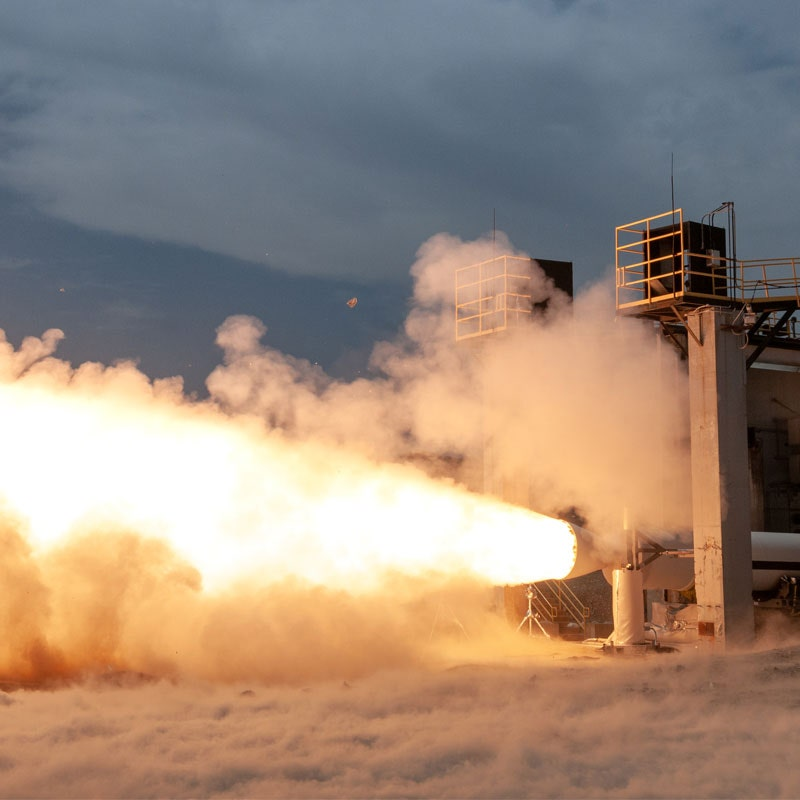
The new capability is centred on designing motors that use solid propellant. A solid rocket motor stores fuel and oxidiser within the propellant itself, usually in a shaped grain that burns after ignition to generate hot gas and thrust. Its performance depends on the propellant composition, exposed burning surface, chamber pressure, nozzle geometry and the rate at which the burning surface changes over time. A change in grain shape can alter the thrust profile considerably, making analysis and iterative design central to the development of a safe and repeatable motor.
Specialist design software can help engineers compare different motor configurations, evaluate their expected behaviour and decide which proposals justify experimental work. Lockheed Martin has confirmed that the new tools are intended to accelerate design activity at MESKO, without identifying the software package, modelling techniques or underlying proprietary data. The completion therefore establishes a software and engineering capability transfer; no specific new motor configuration or firing test was disclosed.
A digital motor design must eventually be checked against physical tests because propellant casting, voids, ignition conditions and manufacturing tolerances can influence the pressure and thrust generated in service. Structural margins, thermal protection and nozzle materials have to withstand the resulting mechanical and heat loads. Qualification then requires documented test results and repeatable manufacturing controls. None of those downstream production milestones was included in the 17 November completion notice.
Poland’s WISŁA programme is built around medium-range air and missile defence based on the Patriot system and its associated interceptors and sensors. The second procurement phase brings further batteries and industrial participation intended to support long-term domestic sustainment and technical competence. In August 2023, Polish authorities and Lockheed Martin finalised eight new offset projects, alongside separate commitments made with Raytheon. MESKO’s motor design work forms one part of those obligations, which span several companies and technology areas.
The wider offset work involves different Polish manufacturers and activities, including launcher-related components, support facilities and manufacturing methods. Each project must be assessed on its own deliverables. Completing MESKO’s solid rocket motor design software project does not place a new Patriot missile order or establish that the software has been used to develop a motor selected for a PAC-3 MSE interceptor. Those would require separate procurement and engineering evidence.
MESKO’s earlier descriptions of the offset programme identify larger-calibre solid-propellant propulsion as an area in which domestic expertise is expected to expand. The company has also pointed to its wider missile engineering ambitions and to the potential usefulness of technical knowledge beyond a single purchased system. A domestic ability to refine designs can make a manufacturer less dependent on outside engineering support for every proposed variation, but the extent of that independence depends on intellectual property rights, accessible material data and the manufacturing equipment available for subsequent work.
Embedding the tools into MESKO’s engineering process will require people trained to interpret their outputs, controlled input data and agreed procedures for checking a design against measured performance. The company must also be able to manufacture components and propellant grains consistently before any resulting motor design could enter qualification. Lockheed Martin has not disclosed new employment, capital expenditure or a timetable for follow-on tests associated with this completed software project.
Implementation agreements signed in 2024 established the framework for Polish manufacturers to acquire and develop the capabilities required under the offsets. Other Lockheed Martin partnerships have since covered electronics, launcher-related components and hardware-in-the-loop verification. MESKO has now completed one specific engineering deliverable in that wider programme. Further Patriot procurement decisions and any orders for motors developed using the transferred software would follow their own approval and manufacturing processes.
MESKO has completed a defined software engineering deliverable under WISŁA Phase II’s existing offset obligations. Its next industrial test will come when MESKO applies the tools to a motor design and validates that design through engineering and production trials. Neither partner has identified a specific new propulsion product, qualification schedule or manufacturing order arising from the transfer, so the November milestone remains a completed design-capability project rather than a propulsion production announcement.