IN Brief:
- Malaysia has issued KNDS a letter of intent for 36 additional 105LG light artillery systems, not a confirmed purchase order.
- Advanced Defence Systems is expected to assemble the guns locally and integrate fire control equipment, extending work undertaken for the original 18-gun fleet.
- The parties must negotiate procurement terms, technology transfer and local content arrangements before a final acquisition can be confirmed.
Malaysia has submitted a letter of intent to KNDS covering the proposed acquisition of 36 additional 105LG light artillery systems. The agreement would extend an established Malaysian Army equipment programme and provide further assembly and systems integration work for local defence manufacturer Advanced Defence Systems.
The letter was presented on 19 November 2026 during the official visit of French President Emmanuel Macron and French Armed Forces Minister Catherine Vautrin to Malaysia. It follows a Franco-Malaysian framework for defence capabilities and industrial partnerships, with the two countries seeking closer cooperation on equipment procurement and domestic industrial development.
Malaysia has not yet placed a binding order for the 36 guns. KNDS confirmed that the letter opens negotiations on the proposed acquisition’s contractual conditions, together with technology transfer and local industry participation. No contract value, delivery schedule or final equipment configuration has been published.
The proposal builds on an acquisition of 18 105LG systems in 2018. Those weapons were assembled in Malaysia by Advanced Defence Systems Sdn Bhd, known as ADS, which is expected to continue as the principal local industrial partner. KNDS has identified ADS for assembly of the proposed additional guns and integration of an associated fire control system.
Malaysia’s existing experience with the 105LG provides a manufacturing and operational foundation for any subsequent acquisition. Assembly arrangements, engineering documentation, specialised tools and the expertise developed through the earlier programme may be applicable to further deliveries. The extent of reuse will depend on the configuration selected and any changes made to the manufacturing and integration responsibilities.
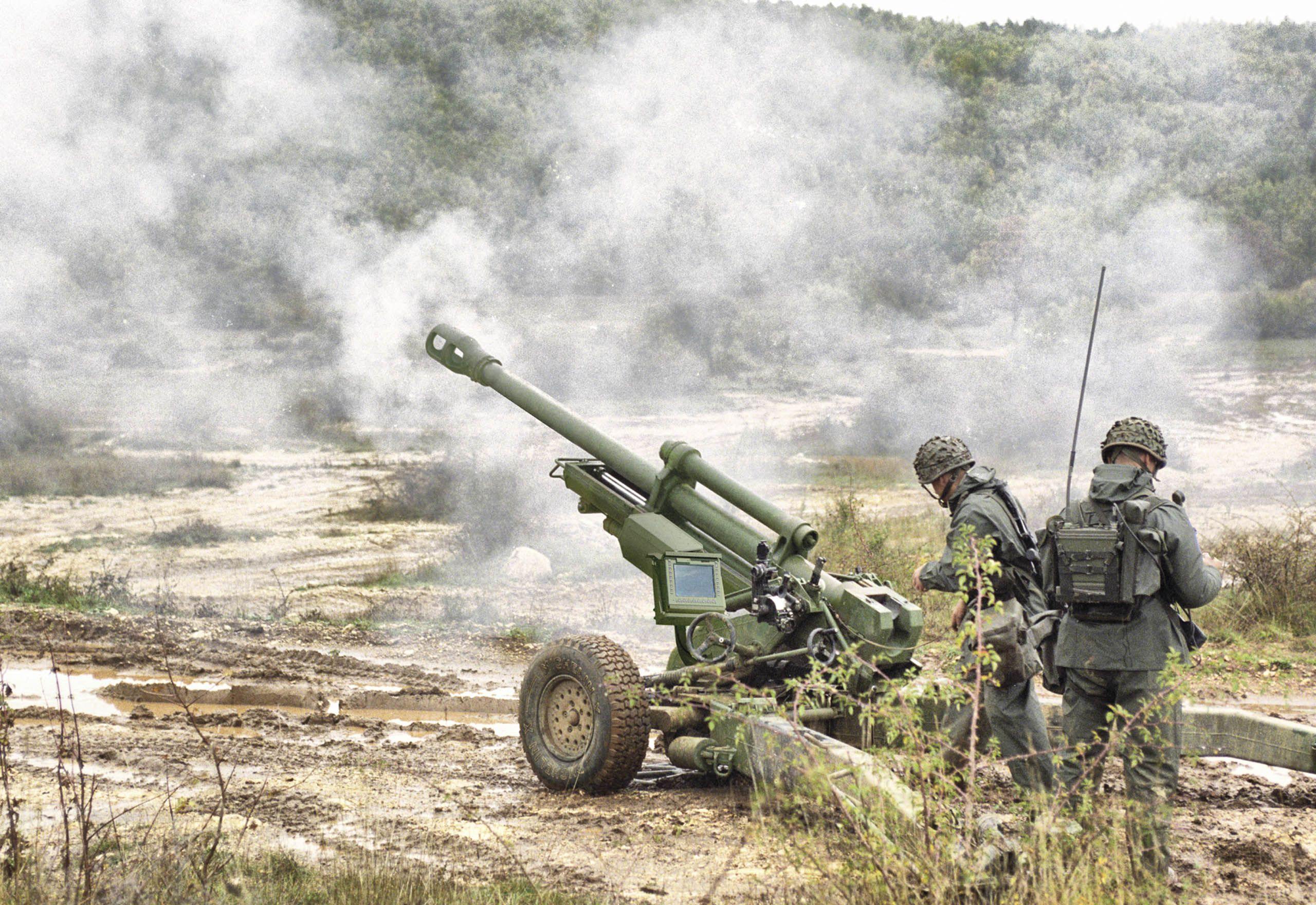
The 105LG is a 105mm towed artillery system designed for forces that require comparatively light equipment. KNDS gives its mass as approximately 1,650kg, allowing transport by helicopter under suitable conditions. This makes the weapon more readily deployable than many heavier artillery platforms, although it still requires towing arrangements, ammunition supply and trained crews when operating on the ground.
Its lighter construction comes with different operating characteristics from a 155mm self-propelled artillery system. The 105LG is moved separately from its towing vehicle and provides a smaller calibre of fire support. Its deployment requirements, ammunition handling and achievable range must therefore be assessed against the missions for which an army intends to use it.
KNDS states that the gun can reach approximately 11km with standard 105mm ammunition and up to 17km with compatible extended-range rounds. Those figures depend on the ammunition and firing conditions. The manufacturer also specifies a short burst capability of six rounds in 15 seconds, although sustained firing performance is subject to ammunition availability, operating procedures and the applicable weapon configuration.
Neither the extended-range ammunition package nor the precise fire control configuration has been confirmed for Malaysia’s proposed additional guns. The published weapon specifications describe the manufacturer’s system family, rather than a finalised Malaysian procurement package. The distinction will become important as the parties agree the components, support services and technical requirements covered by the eventual contract.
Digital fire control integration represents a substantial part of the proposed local work. Artillery firing data must account for the weapon’s position, orientation, ammunition characteristics and target information. A compatible fire control system can support the calculation and transfer of that information, reducing dependence on separate manual processes while retaining the requirement for trained personnel and appropriate verification.
The integration process also involves the connection of positioning, navigation, communications and fire control equipment. Interfaces must be compatible, data exchanged correctly and installed systems tested under representative conditions. Whether the additional Malaysian guns will incorporate the same equipment as the existing fleet, or a revised configuration, has not been disclosed.
ADS’s proposed role includes assembling the imported and locally sourced components into completed weapons. That work can involve mechanical installation, inspection, electrical integration and acceptance testing. The industrial value created in Malaysia will depend on the proportion of manufacturing, component supply, engineering and future maintenance assigned to local companies.
Technology transfer is therefore part of the commercial negotiations rather than a settled outcome of the letter of intent. KNDS and the Malaysian authorities intend to examine local participation through Malaysia’s Industrial Collaboration Programme, supporting objectives set out in the National Defence Industry Policy. The arrangements will determine which technical activities can be conducted domestically and which remain dependent on the original manufacturer.
Local assembly does not necessarily confer the ability to produce every component or modify a controlled weapon design independently. Manufacturing rights, access to engineering information and qualification responsibilities depend on the contracts and approvals established between the parties. Sustaining the weapon over its service life also requires suitable spares, inspection procedures and technical support.
Malaysia’s broader artillery relationship with KNDS includes the acquisition of 18 CAESAR 155mm systems in June 2026. CAESAR belongs to a different equipment category, combining a heavier artillery weapon with a vehicle-mounted platform. The two programmes may draw on some of the same industrial relationships, but they have different equipment, ammunition and support requirements.
The latest proposal would therefore expand Malaysia’s light artillery fleet alongside its wider artillery modernisation. It also offers the possibility of extending established local assembly work beyond the original 18 105LG guns. The availability of suitably trained technicians, production capacity and component supplies will influence the industrial arrangements ultimately agreed.
KNDS has pursued other international 105LG integration programmes, including cooperation with Polish companies on fire control equipment and potential domestic production. Those agreements demonstrate the use of national industrial partners but involve separate customers and technical requirements. No Polish configuration or associated technology transfer commitment has been confirmed as part of the Malaysian proposal.
Negotiations will now determine whether the letter of intent proceeds to a signed purchase contract. The outstanding decisions include final quantities, equipment configuration, delivery timing, technology transfer and the value of local industrial participation. Until those terms are concluded, the 36 systems remain a proposed acquisition rather than a confirmed production order.