IN Brief:
- Ocius Technology and UNSW Canberra have completed a 12-month study of production planning and maintenance for Bluebottle uncrewed surface vessels.
- A modelled staffing arrangement achieved a 12.6% higher optimisation reward using approximately 30% fewer resources than the lowest-performing arrangement studied.
- Ocius will compare the recommendations with real production outcomes and integrate a predictive maintenance model into its enterprise resource planning system.
Ocius Technology and UNSW Canberra have completed a 12-month research programme examining how to increase Bluebottle uncrewed surface vessel production and improve maintenance planning. The project used manufacturing simulations and predictive modelling to assess workshop layout, staffing requirements and equipment condition monitoring at the company’s Sydney facility.
The Integrated Facility Design project was supported by Defence Trailblazer, with researchers from UNSW Canberra’s Decision Support and Analytics Research Group working alongside Ocius engineering, production and procurement personnel. The findings were disclosed on 19 November 2026, following completion of the research collaboration.
The programme focused on two connected activities: the efficient manufacture of additional Bluebottle vessels and the maintenance required to keep an expanding fleet operational. Researchers developed models intended to inform production decisions without first disrupting the factory, while a separate study examined the use of equipment data to identify developing faults.
Ocius opened its advanced engineering, production and maintenance facility in Alexandria, Sydney, on 16 October 2026. The development also includes a Global Operations Centre supporting uncrewed vessel missions around the clock. Bringing manufacturing and operational support into a larger facility creates opportunities to coordinate equipment construction, repair and deployment, but also requires more detailed planning as fleet numbers increase.
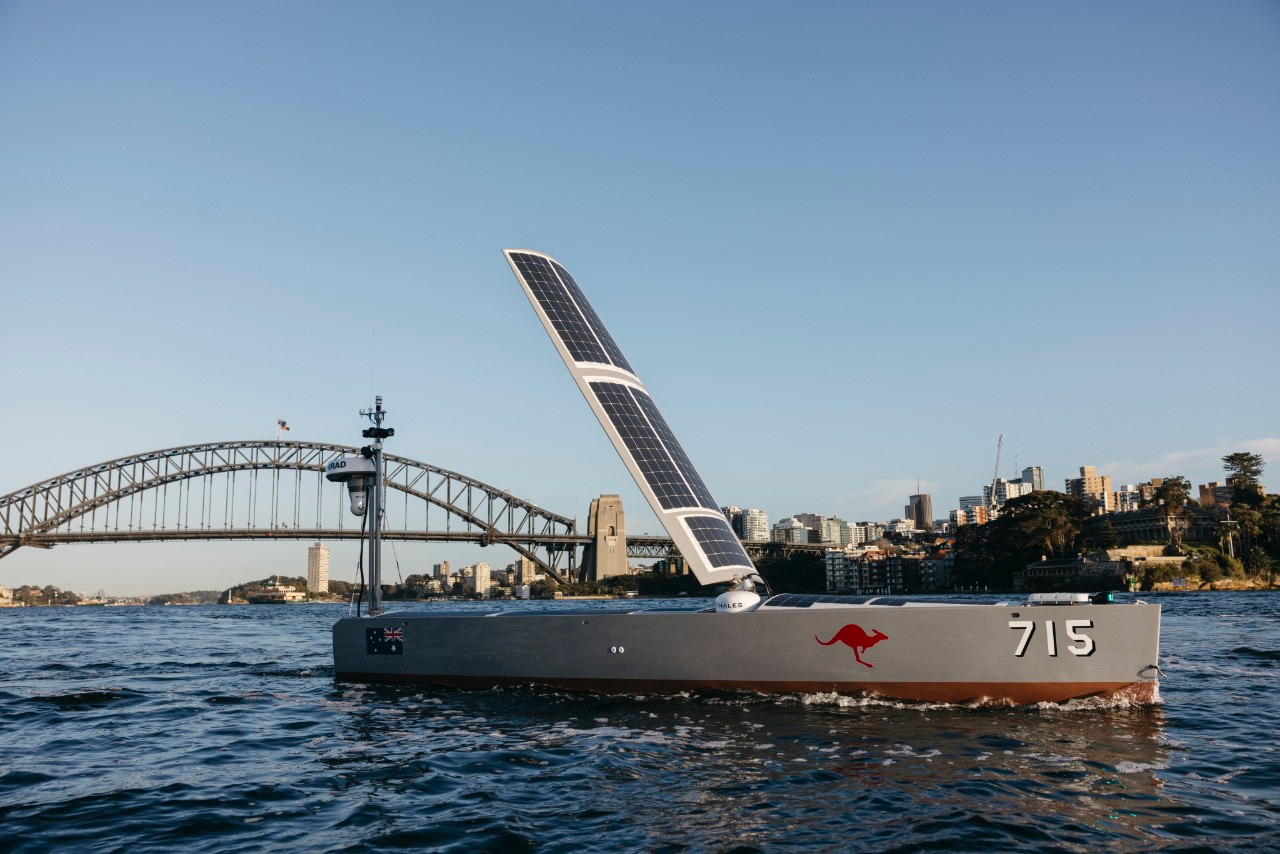
Bluebottle vessels are designed for extended maritime operations using renewable energy from solar, wind and wave sources. Their configuration supports persistent surveillance and the carriage of specialist sensor payloads. The Royal Australian Navy has operated the platform since July 2024, with the Australian government subsequently committing A$176m towards a further 40 Australian-designed and built vessels.
A larger production programme places greater demands on the sequence of manufacturing tasks. Technicians cannot begin every activity simultaneously because some operations depend on completed structures, installed components or previous inspections. Multiple vessels may also compete for the same workshop areas, specialist personnel and equipment, making the allocation of those resources a potential constraint on throughput.
UNSW researchers modelled the production process using information supplied by Ocius personnel. The analysis incorporated manufacturing tasks, shared workspaces, technician availability and concurrent orders. Different staffing allocations and scheduling approaches were then assessed under both regular and variable demand conditions, allowing the research team to compare potential outcomes before changes were introduced in the factory.
The work used the Gurobi Python optimisation environment alongside project scheduling tools, discrete-event simulation and reinforcement learning models. These methods provided different ways of examining the relationship between task sequencing, available resources and production time. The researchers also used computing resources provided through Australia’s National Computational Infrastructure.
Simply adding technicians did not consistently reduce simulated lead time. Where one task depended on equipment, components or an earlier stage of construction, additional staff could not necessarily advance the work. The modelling instead identified opportunities to improve task sequencing and allocate capacity to operations that were restricting the progress of several builds.
One simulation comparison produced a 12.6% higher optimisation reward than the lowest-performing staffing arrangement studied while using approximately 30% fewer resources. The reward reflected a balance between manufacturing lead time and staffing cost for a fixed quantity of vessels. It was a result from the model, not evidence that Ocius has already reduced factory staffing or delivered a corresponding measured improvement in production.
The selected comparison also does not establish that the same outcome would apply under every level of demand. A production schedule may perform well when components arrive predictably and equipment is available, but produce different results when materials are delayed or an unplanned inspection interrupts a critical task. The value of the modelling will depend on whether its assumptions accurately represent the conditions experienced during subsequent builds.
Material handling formed part of the research. Ocius’s procurement team contributed information about how components are received, stored and moved through the production process. Parts that arrive at the facility but cannot be located, inspected or transferred to the required work area can delay assembly, even where the necessary technicians and machinery are otherwise available.
Coordinating procurement and production information can help identify such constraints before they affect several vessels. A scheduling model must account for the practical availability of materials rather than treating every required part as immediately accessible. The study provides Ocius with a basis for adjusting workshop arrangements and production planning as additional manufacturing work is undertaken.
The second research activity examined predictive maintenance, concentrating primarily on the Bluebottle’s pod motor. Researchers combined historical records, company reports, discussions with engineers and vessel telemetry to develop a machine learning model intended to identify emerging mechanical problems. The project also incorporated expert review rather than relying on automated predictions without technical assessment.
Predictive maintenance uses changes in equipment measurements to identify conditions that may require investigation. A motor’s operating data can vary with the load placed on it and the conditions in which the vessel is operating, meaning that unusual readings are not always evidence of a fault. Models must distinguish normal operating variation from patterns associated with equipment deterioration if their alerts are to support useful maintenance decisions.
The researchers proposed graded warnings to distinguish conditions requiring closer observation from those needing prompt investigation. This approach allows maintenance personnel to assess the urgency of an alert rather than assigning the same response to every deviation. Its reliability will depend on the quality of the collected data, the faults represented in the training material and the results obtained when the system is used in operation.
Ocius’s enterprise resource planning engineer worked with the research team to improve the capture of information needed for maintenance analysis. The planned integration will connect equipment condition monitoring with the company’s wider logistics and operational records. That arrangement could support decisions about inspections, replacement parts and maintenance scheduling, provided that the model’s predictions prove sufficiently reliable.
For remotely operated vessels, an unexpected mechanical problem can remove a platform from a surveillance assignment and create additional demands on support personnel. Identifying faults earlier may allow servicing to be coordinated with planned maintenance periods, although the research has not yet demonstrated a quantified reduction in operational downtime.
The immediate next steps are to compare the proposed production arrangements with real manufacturing outcomes and incorporate the predictive maintenance model into Ocius’s enterprise resource planning system. Those activities will determine whether the simulated staffing and scheduling gains can be reproduced in practice and whether the maintenance alerts provide dependable information for managing the Bluebottle fleet.