IN Brief:
- Britain and Norway will jointly invest more than £100m in two 30-metre fast attack boats for the Ukrainian Navy, sharing the funding equally.
- The vessels will be built in the UK with European-supplied missile, air defence and self-defence equipment.
- The Maritime Capability Coalition will support the programme, with no shipbuilder, individual weapons configuration or delivery date yet confirmed.
Britain and Norway will jointly fund two 30-metre fast attack boats for the Ukrainian Navy, committing more than £100m to a construction programme involving British shipyards and European defence equipment suppliers. The vessels will carry missile, air defence and self-defence systems intended to strengthen Ukraine’s maritime capability and help protect shipping routes in the Black Sea.
The investment was announced on 19 November 2026 during a Coalition of the Willing meeting in Berlin. The two governments will divide the funding equally through the Maritime Capability Coalition, which Britain and Norway jointly lead. The UK Ministry of Defence confirmed that the vessels will be constructed in Britain, although the selected shipbuilder and location of the work have not been disclosed.
Both boats are expected to be approximately 30 metres long and equipped with a combination of offensive and defensive systems. The government has described their intended capability as comparable in some respects to that of a frigate at a considerably lower cost. That comparison reflects the proposed weapons and mission equipment rather than equivalence in size, endurance or every operational function of a larger warship.
Vessels of this length require careful integration of equipment within a relatively compact hull. Weapons, sensors, communications systems and supporting machinery all impose demands on space, weight and electrical power. Their positions can also influence vessel stability, access for maintenance and the arrangement of crew and operating areas.
Structural requirements must be addressed alongside the installation of mission equipment. Weapons and other heavy assemblies need suitable support from the vessel’s structure, while additional equipment can affect weight distribution and the stresses encountered during operation. The final design must accommodate those loads without compromising the vessel’s intended seaworthiness and handling characteristics.
The governments have confirmed that missile, air defence and self-defence equipment will be supplied by European manufacturers. No individual missile type, launcher, surveillance radar, combat management system or propulsion arrangement has been named. The industrial participation confirmed so far therefore extends to European equipment sourcing rather than an identifiable list of awarded subsystem contracts.
A naval weapons installation normally requires information from sensors and command systems to be presented in a form compatible with the weapon controls. Surveillance equipment may provide contact information, while other systems support classification, tracking and engagement decisions. The integration requirements will depend on the specific equipment selected and the level of functionality required by the Ukrainian Navy.
Providing several defensive and offensive functions aboard a small vessel also creates competition for electrical capacity and cooling. Sensors, electronic systems and weapons installations may have different operating demands, making power distribution and thermal management important elements of the ship design. The public announcement does not disclose the generating capacity or internal arrangement planned for the two boats.
Propulsion and fuel capacity will influence the operating range and speed available to the completed vessels. These characteristics must be considered alongside the weight of equipment, fuel and other stores. Neither government has published a maximum speed, endurance figure or performance requirement, so comparisons with named fast attack craft designs would be premature.
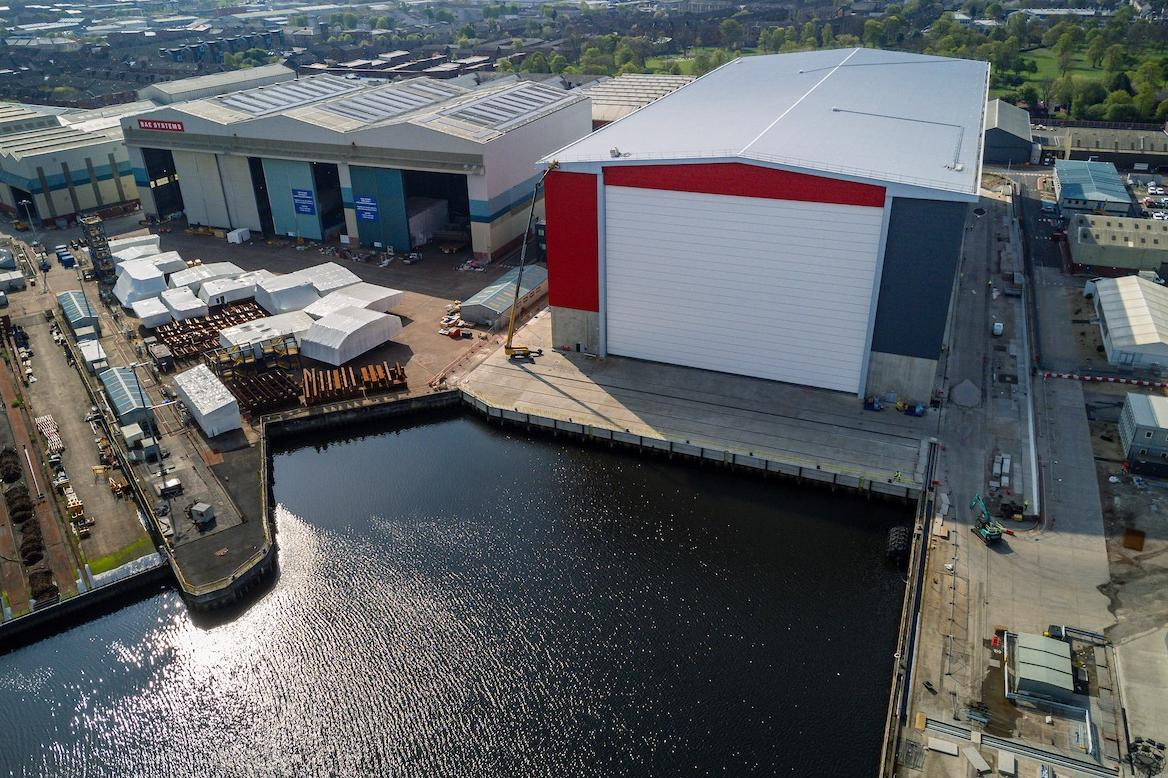
British construction will involve a range of shipbuilding activities, including hull fabrication, mechanical installation, electrical outfitting and the integration of naval systems. The selected yard will also need to coordinate technical information and delivery schedules with the equipment manufacturers supplying the mission systems. Depending on the final arrangements, some specialist work could be undertaken by companies outside the principal construction site.
The absence of a named contractor means no particular British shipyard can yet be credited with the programme or an associated employment commitment. The government has confirmed that construction will take place in the UK, but has not announced how the work will be distributed or whether additional facilities and personnel will be required.
Ship construction and combat system integration involve different testing stages. Completion of the physical vessel must be followed by checks on installed machinery and electrical systems, while equipment supplied by separate manufacturers may require additional integration testing. Trials at sea provide evidence of the vessel’s operating behaviour under conditions that cannot be fully reproduced alongside a quay.
The acceptance process will also depend on the equipment selected for the boats. Weapons and communications installations may need their own technical assessments before the complete configuration can be accepted. The governments have not identified the organisations responsible for those activities or specified whether all equipment integration and testing will be completed in Britain.
Training and maintenance arrangements will form part of introducing the capability into Ukrainian service. Crews must be prepared to operate the selected systems, while maintenance personnel require access to technical documentation, replacement components and suitable tools. A vessel fitted with equipment from several manufacturers may need separate support arrangements for particular subsystems.
The Maritime Capability Coalition provides the framework through which Britain and Norway coordinate assistance to Ukraine’s naval forces. The initiative also covers wider maritime capability development, training and equipment support. Its existing activities include mine countermeasure cooperation, but the two fast attack boats are a distinct acquisition intended to provide additional offensive and defensive capability.
The new vessels are expected to support the protection of Ukraine’s coastline and maritime trade routes. The Black Sea shipping corridor remains important for the export of agricultural products and other goods, creating a requirement for maritime security alongside the country’s wider naval commitments. The governments have linked the proposed boats to that requirement without publishing a detailed operational concept for their deployment.
Norway has described the acquisition as support valued at more than NOK 1bn, while Britain has reported a joint investment exceeding £100m. These descriptions refer to the same bilateral programme and must not be added together as separate commitments. The two governments will share the procurement cost rather than each independently financing an additional pair of vessels.
The Berlin meeting also included further cooperation on artificial intelligence and additional military assistance for Ukraine. Those initiatives are separate from the confirmed naval construction programme. No autonomous operation or AI-enabled combat system has been identified for the fast attack boats, and such capabilities should not be inferred from the wider bilateral discussions.
The governments have established the principal procurement parameters: two British-built vessels, a length of approximately 30 metres, European-supplied combat equipment and shared funding above £100m. The shipbuilder, detailed design, individual equipment suppliers, construction schedule and delivery dates remain outstanding. Confirmation of those arrangements will determine the programme’s industrial workload and the timetable for bringing the vessels into Ukrainian service.