IN Brief:
- Two additional F-35 aircraft assembled in Italy have arrived in Poland.
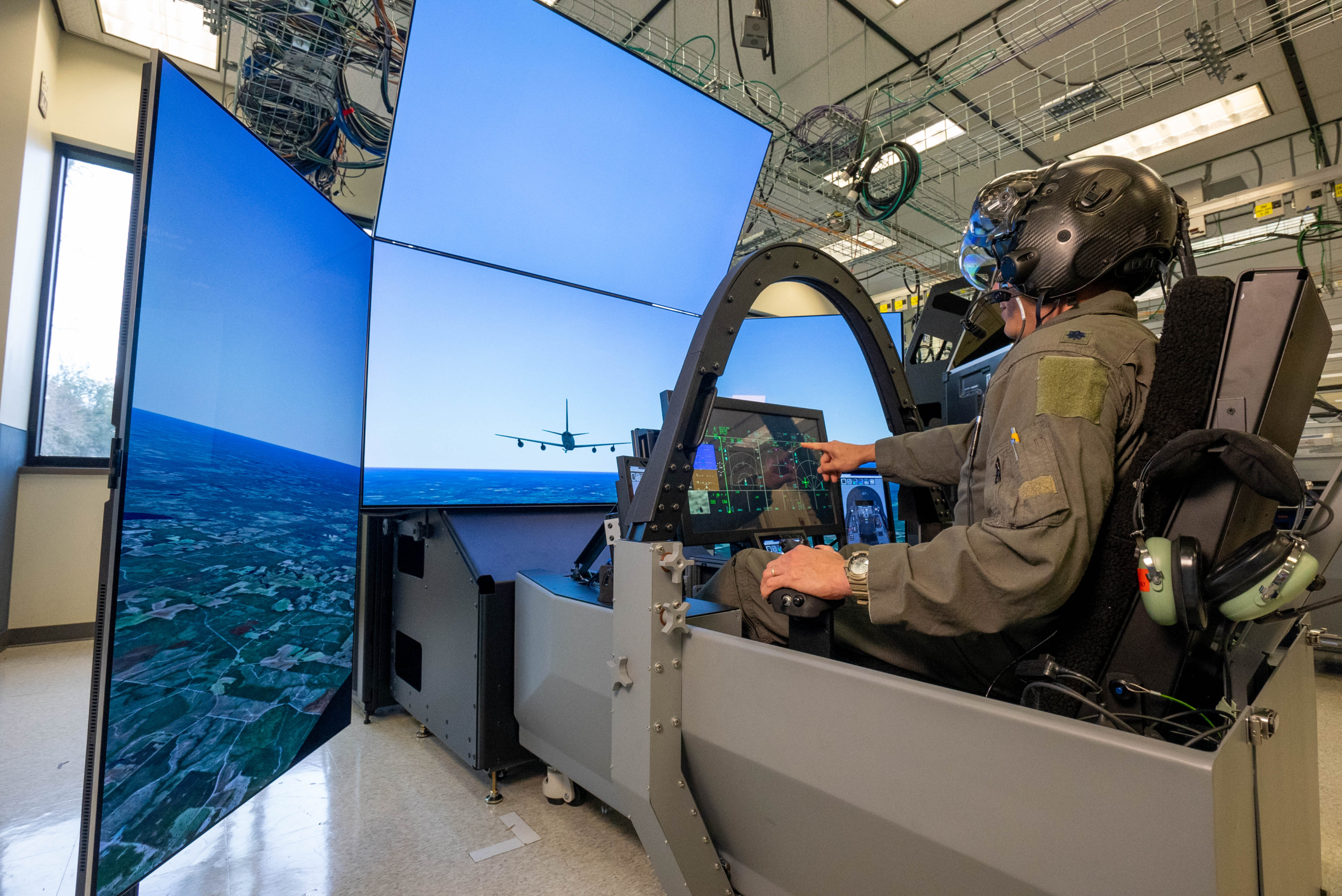
- Specialist courses for technical personnel have begun at a Polish training centre.
- The original acquisition includes 32 aircraft and a logistics and training package.
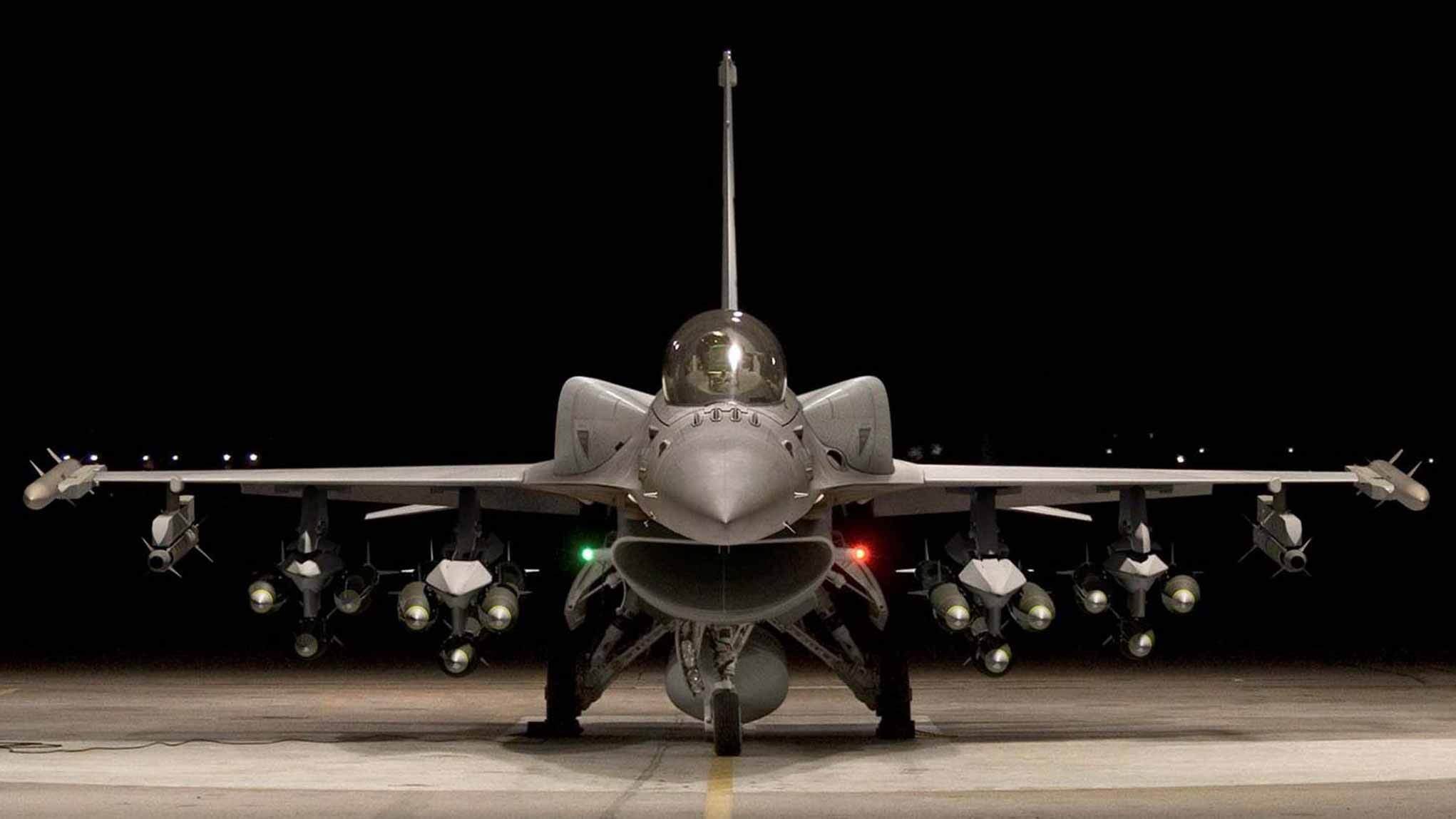
Poland has commenced its first domestic specialist training courses for F-35 technical personnel, with two further aircraft delivered from the Italian manufacturing facility at Cameri under the country’s procurement agreement with the US government for Lockheed Martin aircraft.
Polish Defence Minister Władysław Kosiniak-Kamysz confirmed both developments on 26 November. The specialist courses began earlier in the week at the Engineering and Aviation Services Training Centre associated with the 32nd Tactical Air Base. The latest delivery brings the number of aircraft in Poland to 12, with a further two expected by the end of the year and another 12 during 2027.
Poland signed its original procurement agreement on 31 January 2020, purchasing 32 aircraft together with a logistics and training package. Its first aircraft was formally unveiled in the United States in August 2024, and the first three arrived in Poland on 22 May 2026. The acquisition is scheduled to conclude by 2030.
Training provision was included in the original contract, rather than established as a separate initiative following the arrival of the aircraft. The Polish Ministry of National Defence initially planned for 90 technical personnel and 24 pilots to undertake training in the United States, including personnel who would subsequently become instructors.
The commencement of specialist courses in Poland extends that programme into the customer’s domestic engineering infrastructure. Personnel trained as instructors can contribute to the development of a larger national technical workforce, although the ministry has not released details of the number of participants in the latest courses or the qualifications awarded on completion.
An aircraft acquisition involves the introduction of a maintenance organisation alongside the equipment itself. The original Polish contract provides ground support resources and a logistics package in addition to training, with an integrated training centre and eight simulators forming part of the agreed scope. These are separate deliverables with their own installation and acceptance requirements.
The ministry has also previously identified the need for investment in facilities at selected air bases. Its original assessment estimated expenditure of between PLN700m and PLN1.8bn per location, depending on the adaptations required. Those estimates date from 2020 and should not be interpreted as the final cost of the work undertaken since then.
The latest aircraft delivery originates from the Cameri final assembly and checkout facility in Italy, one of the industrial locations involved in the international F-35 manufacturing programme. The location of manufacture reflects the distributed nature of the programme’s industrial arrangements, rather than a separate aircraft acquisition from the Italian government.
Poland’s original agreement does not include a formal industrial offset arrangement. Lockheed Martin and Polish state-owned defence group PGZ separately established a memorandum of understanding to explore industrial cooperation. The potential commercial relationships arising from that memorandum are distinct from the training and logistical services already included in the aircraft contract.
The development of a domestic technical workforce likewise does not establish responsibility for all industrial maintenance activities associated with the aircraft. The global support arrangements provide access to internationally organised spare parts and specialist repair services, while domestic technical personnel undertake work within the responsibilities established by their training and the applicable support agreements.
That separation is important when assessing the industrial benefits of an aerospace procurement. The acquisition of completed aircraft, provision of domestic technical education, manufacture of components, and operation of specialist repair facilities require different investments and contractual arrangements. Progress in one area should not be presented as a commitment to transfer responsibility for another.
The Polish government has previously explained that its initial logistical arrangements extend through 2030, with the cost of subsequent support expected to become clearer once it has gained experience operating the aircraft. This will require future budgeting decisions separate from the original aircraft procurement.
The November development marks progress in two elements of the same acquisition: the delivery of aircraft from an established international manufacturing programme and the introduction of specialist domestic technical education. The ministry has not disclosed a new maintenance contract or an additional aircraft order as part of the latest announcement.
Further deliveries are scheduled over the coming years, alongside the development of Poland’s engineering workforce and the introduction of associated training infrastructure. The ability to establish and retain domestic instructors will remain a significant part of the country’s long-term personnel development arrangements as the original acquisition progresses towards completion.