
IN Brief:
- The proposal was notified to Congress on 25 November.
- Belgium, Denmark, the Netherlands, and Norway will fund the purchase through JUMPSTART.
- Suppliers will be selected through competitive procurement rather than a named principal contractor.
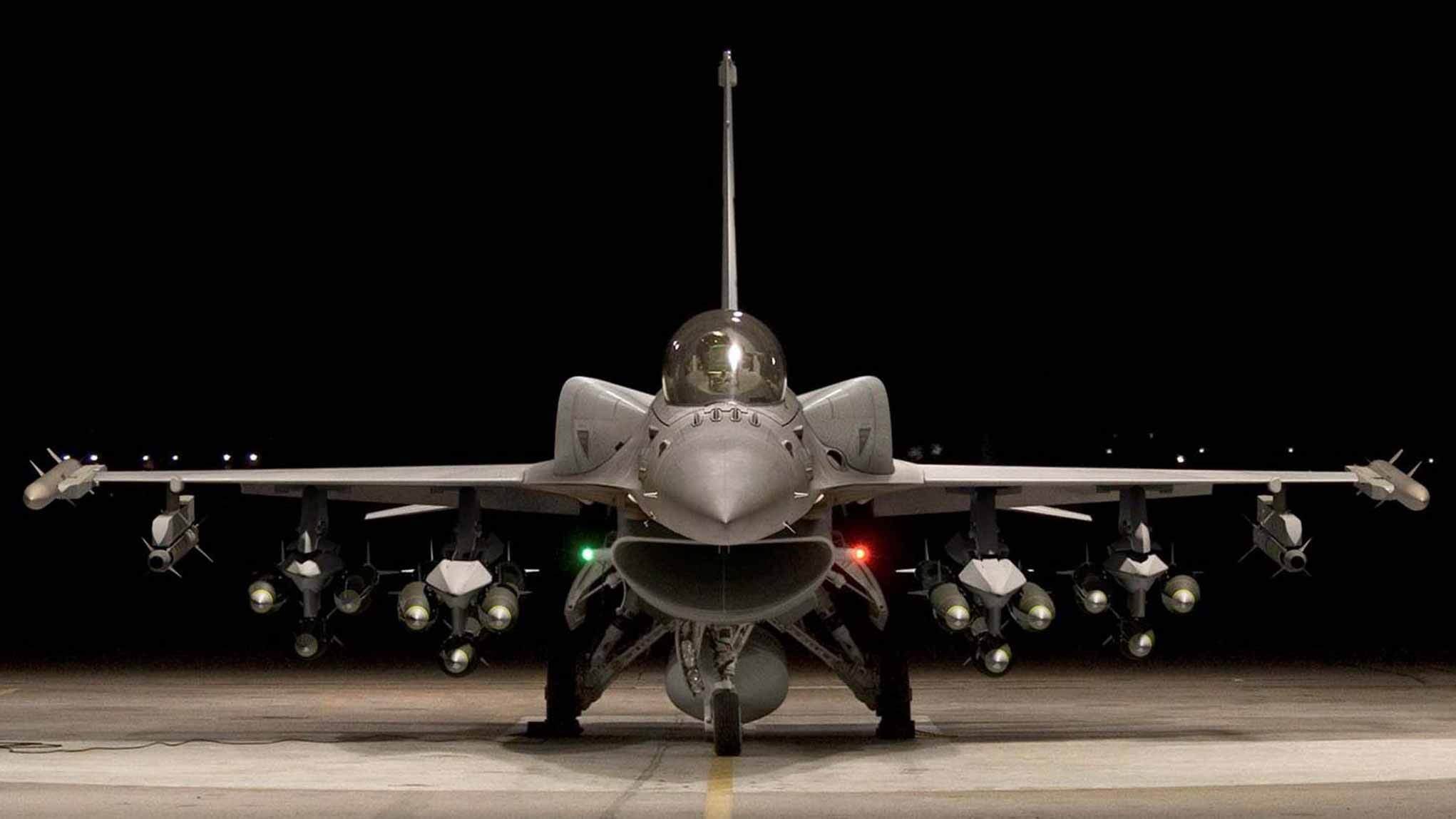
The US Department of State has approved a possible Foreign Military Sale (FMS) valued at $621.9m covering sustainment equipment and associated services for Ukraine’s F-16 aircraft. Belgium, Denmark, the Netherlands, and Norway will finance the proposed purchase.
The notification to Congress, dated 25 November, identifies the Joint Ukraine Multinational Program – Services, Training and Articles Rapid Timeline (JUMPSTART) as the source of funding. It brings the four European governments’ financial contributions together within the US government’s established system for the international sale of defence equipment and services.
The package covers aircraft maintenance provision and associated equipment, technical support, and transport. It expands a previous acquisition arrangement whose value had been below the threshold requiring congressional notification. No principal contractor has been designated, with industrial suppliers to be selected through competitive US government procurement.
The estimate is not a signed industry contract. It represents the anticipated maximum scope of the proposed acquisition, with subsequent commercial agreements determining the actual expenditure and the distribution of work between companies.
The latest proposal is substantially larger than either of the previous US approvals associated with Ukraine’s F-16 sustainment requirements. In December 2024, the Defense Security Cooperation Agency confirmed a possible sale of support services and related equipment valued at $266.4m. A separate training and sustainment proposal with an estimated cost of $310.5m followed in May 2025.
Those earlier government approvals established the commercial context in which the new support proposal is being considered. They should not be treated as equivalent to completed procurement expenditure, since the notification of a potential sale is separate from the subsequent negotiation and award of industrial contracts.
Aerospace maintenance businesses can participate in these programmes without being the original aircraft manufacturer. In January 2026, for example, Belgium’s Sabena Aerospace Engineering received a US government contract with a potential value of approximately $235.4m, covering aircraft and engine maintenance work through January 2029. The award is separate from the latest proposed purchase.
The four contributing European countries have each previously operated the F-16 and have developed associated aviation engineering expertise over several decades. Their transition to newer aircraft creates a distinction between the withdrawal of equipment from national service and the continuation of commercial support activities for international customers. Aerospace companies may retain relevant facilities, engineering personnel, and approved capabilities after an aircraft type leaves its original national fleet.
Long-term aircraft support contracts frequently cover work beyond the manufacture of replacement components. Industrial expenditure may also include inspection, repair, technical documentation, logistics, and the services needed to administer agreements between customers and suppliers. These activities have different commercial characteristics from the manufacture and delivery of new aircraft.
A maintenance organisation, for example, may receive equipment for assessment before the precise work required can be established. Contract arrangements must address those uncertainties, including the authorisation of additional work and the responsibility for providing replacement equipment. The allocation of expenditure may consequently change as individual maintenance requirements are determined.
The FMS mechanism enables government customers to use US procurement arrangements for obtaining equipment and services from industrial suppliers. In the November proposal, the financing is provided by European partners rather than the US government, while American authorities will administer the competitive selection of suppliers. Those roles need to be distinguished when assessing which country is funding a procurement and which organisation is responsible for contracting the industrial work.
The continuing role of European maintenance companies in earlier support arrangements demonstrates how American-managed procurement can involve businesses outside the United States. The latest notification does not identify a preferred supplier, however, and the eventual distribution of work will depend on the procurement process rather than the countries contributing the funding.
A further financial distinction is that the latest package expands an existing arrangement. Its headline value should not automatically be added to the value of other announcements as if each represented an entirely separate new contract. The eventual agreements will provide a clearer indication of the additional industrial commitments arising from the notification.
The four European governments have established the financing route for the proposed purchase, and the State Department has authorised it to proceed through the applicable process. The next significant industrial milestones will be the issue of procurement requirements and the award of individual contracts. Until those decisions are made, neither the allocation of the $621.9m nor the identity of the companies undertaking the work has been established.