IN Brief:
- Denmark has commissioned 123 simulators from BAE Systems Hägglunds.
- Deliveries are expected to start in 2028 at three Danish training centres.
- The three simulator types will share a common software baseline.
BAE Systems has secured a $90m contract to supply simulation equipment to the Danish Armed Forces, supporting the introduction of Denmark's new fleet of CV90 vehicles. The award to its Swedish Hägglunds business was placed by the Danish Ministry of Defence Acquisition and Logistics Organisation (DALO), which is responsible for the associated equipment procurement.
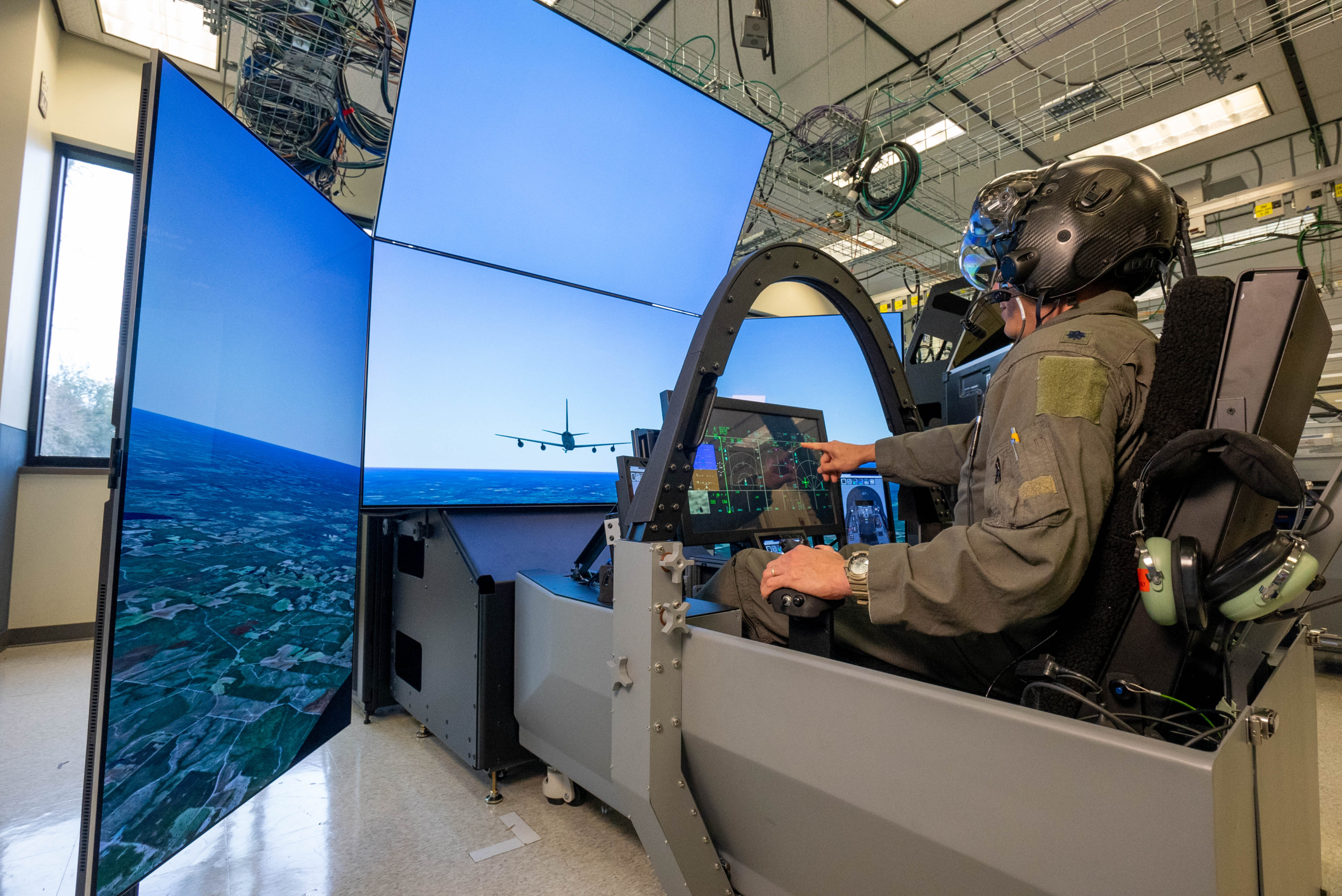
Denmark has commissioned 123 simulators for its 159 CV9035 Mk IIIC vehicles. Deliveries are expected to begin in 2028, with simulation centres established at the garrisons in Slagelse, Holstebro, and Høvelte. The three categories of simulation equipment covered by the contract will use a common software baseline, according to BAE Systems.
The contract provides a substantial standalone commitment to training infrastructure alongside the government's earlier vehicle acquisition. Denmark initially commissioned 115 new vehicles in 2024 before expanding the order by another 44 in November 2025, under an agreement valued at approximately $450m. The resulting total of 159 is the basis for the new simulator procurement.
BAE Systems Hägglunds is responsible for both the vehicle and simulator programmes. Its intention is that subsequent changes to the vehicles can be reflected in the simulation software, allowing the Danish training organisation to retain a representative digital environment over the fleet's service life. The company has not disclosed the allocation of the $90m between the equipment, installation, and ongoing software support.
A common software baseline provides an alternative to maintaining three unrelated software products. Changes associated with an approved vehicle upgrade can be managed against a shared set of software records, although the corresponding simulator updates will still require their own validation before being accepted for use. The physical training equipment may also require separate maintenance irrespective of the software version installed.
The procurement extends the manufacturer's involvement beyond the delivery of physical vehicles. A simulation installation brings together computing equipment, visual displays, controls, and associated software, with different servicing and replacement requirements from the vehicle itself. The training organisation must maintain both sets of equipment, even when the software is developed by the same original manufacturer.
As computing components become obsolete, maintaining the availability of compatible replacement equipment can become an important aspect of long-term simulator support. Unlike the initial acquisition, those activities continue throughout the period in which the associated vehicles remain in service. The contract's common software arrangement is intended to provide a consistent foundation for such changes across the Danish simulator estate.
The installations at three garrisons will allow Denmark to distribute its training resources geographically rather than concentrating the entire programme at a single location. Installation and acceptance will involve the individual facilities alongside the central procurement authority, with deliveries starting in 2028 rather than all 123 systems arriving immediately.
Denmark has also ordered additional live training equipment from Saab under a separate SEK350m contract announced earlier in November. Deliveries under that agreement are scheduled between 2026 and 2028 and include equipment associated with the CV90. The agreement is separate from the simulation contract announced on 26 November.
The two contracts cover different types of equipment. Saab's order supports exercises involving physical equipment, whereas the BAE agreement provides dedicated simulation systems. Acquiring both types creates distinct workstreams for the manufacturers and for the Danish organisations responsible for establishing and maintaining the relevant training infrastructure.
The development of that infrastructure accompanies the replacement of Denmark's previous vehicle fleet. An earlier plan to upgrade its existing vehicles was superseded by the procurement of additional new vehicles, changing the scale of the associated training requirements. The November simulation order provides equipment for the expanded fleet rather than merely maintaining the original training estate.
Software and equipment support will remain necessary after all the new vehicles have been delivered. Training products typically require updates as their underlying computing equipment and the corresponding physical platforms change, which makes their service life a consideration in procurement decisions rather than limiting the investment to the initial equipment purchase.
BAE Systems has confirmed the award value and its approach to the common software environment, while DALO has established the planned number of simulators and their delivery locations. The detailed installation sequence and the division of ongoing support responsibilities have yet to be published. The first deliveries from 2028 will mark the next industrial milestone as Denmark establishes the facilities required to support its expanding fleet.