IN Brief:
- The A$125,000 purchase order covers two joint capability studies commissioned by MBDA.
- The studies will examine European manufacturing arrangements and associated technical requirements.
- Aurora Labs has also secured initial UK and US commercial orders and achieved AS9100D certification.
Australian advanced manufacturing specialist Aurora Labs has received its first purchase order from European defence group MBDA, securing A$125,000 to examine the potential establishment of manufacturing capabilities within the European company’s industrial facilities.
The agreement funds two studies following a joint technology assessment completed in March 2026. Aurora Labs subsequently signed a teaming agreement with MBDA in May, building on a memorandum of understanding established in December 2025.
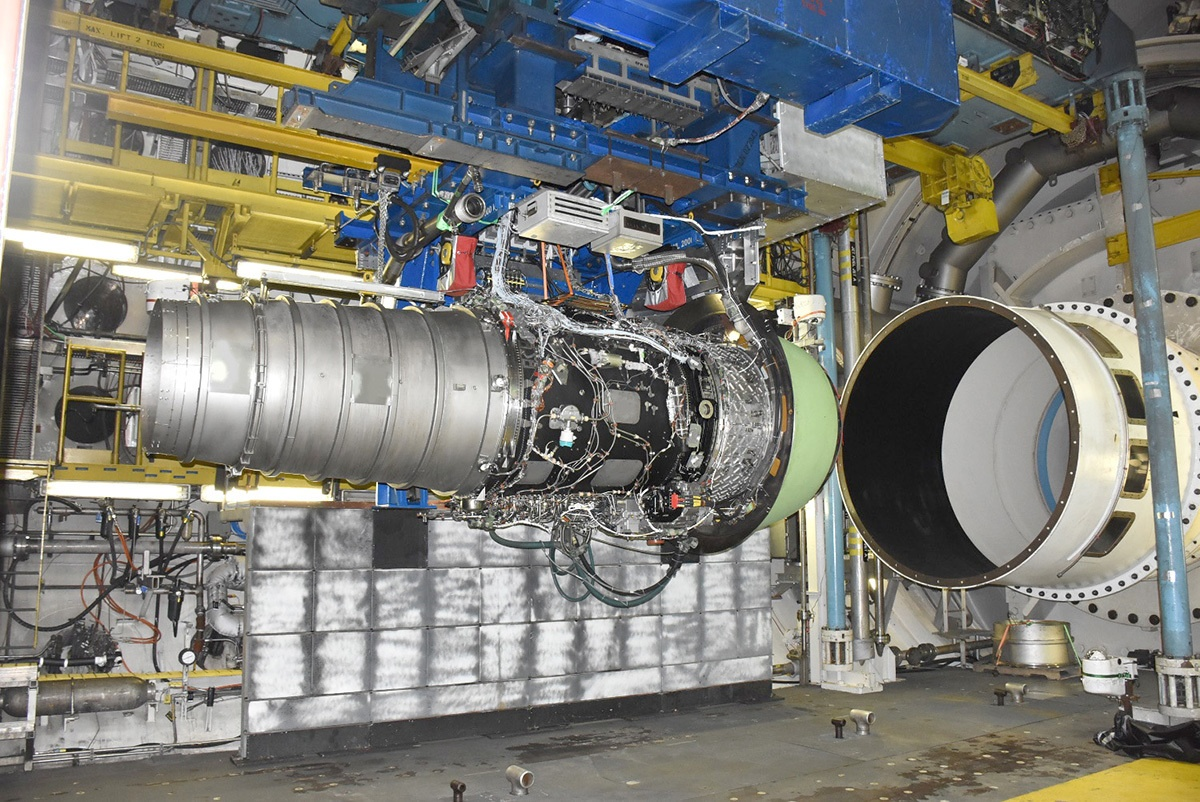
The studies concern industrialisation planning and technical requirements for Aurora Labs’ propulsion portfolio. They will assess the feasibility of establishing European manufacturing arrangements, although the companies have not committed to a production contract or the construction of a new facility.
The purchase order moves the relationship into funded commercial activity. Aurora Labs describes the agreement as non-dilutive funding, meaning the company will receive payment for undertaking the work without issuing additional shares.
That distinction is particularly relevant to the Australian manufacturer’s recent financing activity. Aurora Labs announced a separate A$6m equity placement in October to support the expansion of its defence manufacturing business, providing capital alongside the revenue generated through emerging customer relationships.
The company has also secured initial commercial orders in the United Kingdom and United States. Its first British sale, confirmed on 4 November, was accompanied by plans to explore local manufacturing and industrial partnerships through its relationship with Tanglewood.
Establishing local manufacturing arrangements in overseas markets could allow Aurora Labs to expand its commercial presence without independently constructing production facilities in every country where it intends to operate. The allocation of manufacturing responsibilities, engineering work, and intellectual property would depend on the terms of any subsequent industrial agreement.
MBDA’s established European presence provides a potential commercial route into several national procurement markets. Aurora Labs has already participated in customer meetings alongside the company at the Farnborough International Airshow and Poland’s MSPO defence exhibition, according to its September quarterly activities report.
The Australian company’s manufacturing expansion has also incorporated investment in quality management and industrial inspection capabilities. During the September quarter, Aurora Labs achieved certification to AS9100D, the aerospace quality management standard used across aviation, space, and defence supply chains.
The certification provides independent assessment of the company’s quality management arrangements against a recognised industry standard. It does not constitute approval of every product manufactured by the company, which remains subject to individual customer specifications and applicable qualification requirements.
Aurora Labs has maintained ISO 9001:2015 certification since 2023, covering engineering, design, and additive manufacturing activities. Adding aerospace-specific certification broadens its eligibility to participate in procurement processes where customers require suppliers to demonstrate compliance with more specialised quality management requirements.
The industrial arrangements being explored with MBDA would involve additional commercial and regulatory considerations. Manufacturing technology developed in Australia and subsequently introduced into European facilities must operate within the intellectual property, export control, and contractual arrangements governing the relationship between the two companies.
Such arrangements can also determine how commercial value is distributed between the original technology developer and the organisation undertaking production. Retaining engineering and research activities in Australia while establishing manufacturing partnerships overseas would create a different business structure from supplying every international customer directly from Australian facilities.
Aurora Labs’ recent commercial activity encompasses both approaches. Initial export orders establish direct customer relationships, while its arrangements with MBDA and Tanglewood explore opportunities for geographically distributed industrial participation.
The timing of those developments remains important to the company’s finances. The A$125,000 purchase order represents a defined commitment to paid work, while the A$6m equity placement provides resources supporting a broader programme of manufacturing and commercial development.
Neither should be interpreted as evidence of a committed series production order from MBDA. The European group’s procurement requirements, manufacturing investment, and commercial obligations would need to be established through subsequent agreements if the studies identify a viable basis for proceeding.
Australia’s wider industrial strategy places considerable emphasis on developing domestic engineering businesses capable of participating in international defence programmes. Partnerships with established overseas manufacturers can provide access to larger markets while creating commercial opportunities for Australian research and technical personnel.
For Aurora Labs, the progression from its December memorandum to the March assessment, May teaming agreement, and November purchase order establishes a series of identifiable commercial milestones. The two studies will inform the next stage of that relationship, including whether the companies proceed with a more substantial European manufacturing agreement.