IN Brief:
- Canada has selected TKMS as preferred supplier for up to 12 Type 212CD submarines.
- The proposal links Canada with the German-Norwegian 212CD pathway and a sovereign Canadian sustainment enterprise.
- Industrial delivery will require shipyard sequencing, Canadian support capacity, skills, Arctic adaptation, and long-term supplier planning.
Canada’s selection of TKMS as preferred supplier for up to 12 Type 212CD submarines moves one of the world’s largest conventional submarine competitions into the harder phase of industrial delivery.
The decision positions the German shipbuilder ahead in Canada’s effort to replace the ageing Victoria-class fleet and strengthen undersea coverage across Arctic, Atlantic, and Pacific operating areas. TKMS is offering the 212CD through a trilateral structure linking Canada, Germany, and Norway, alongside plans for a sovereign Canadian sustainment enterprise.
The scale alone is substantial. A 12-boat programme would make Canada one of the most important conventional submarine customers in NATO, while expanding the 212CD production ecosystem beyond the existing German-Norwegian pathway. That could strengthen the class’s export credibility and give suppliers a larger installed base for future upgrades, spares, training, and support.
Submarine procurement, however, is won or lost over decades rather than at selection. The platform choice must be backed by dockyard capacity, specialist welders, pressure hull expertise, combat system technicians, acoustic management skills, battery and propulsion support, software maintenance, training pipelines, and spare parts. Without that base, a submarine fleet becomes a long-term availability problem.
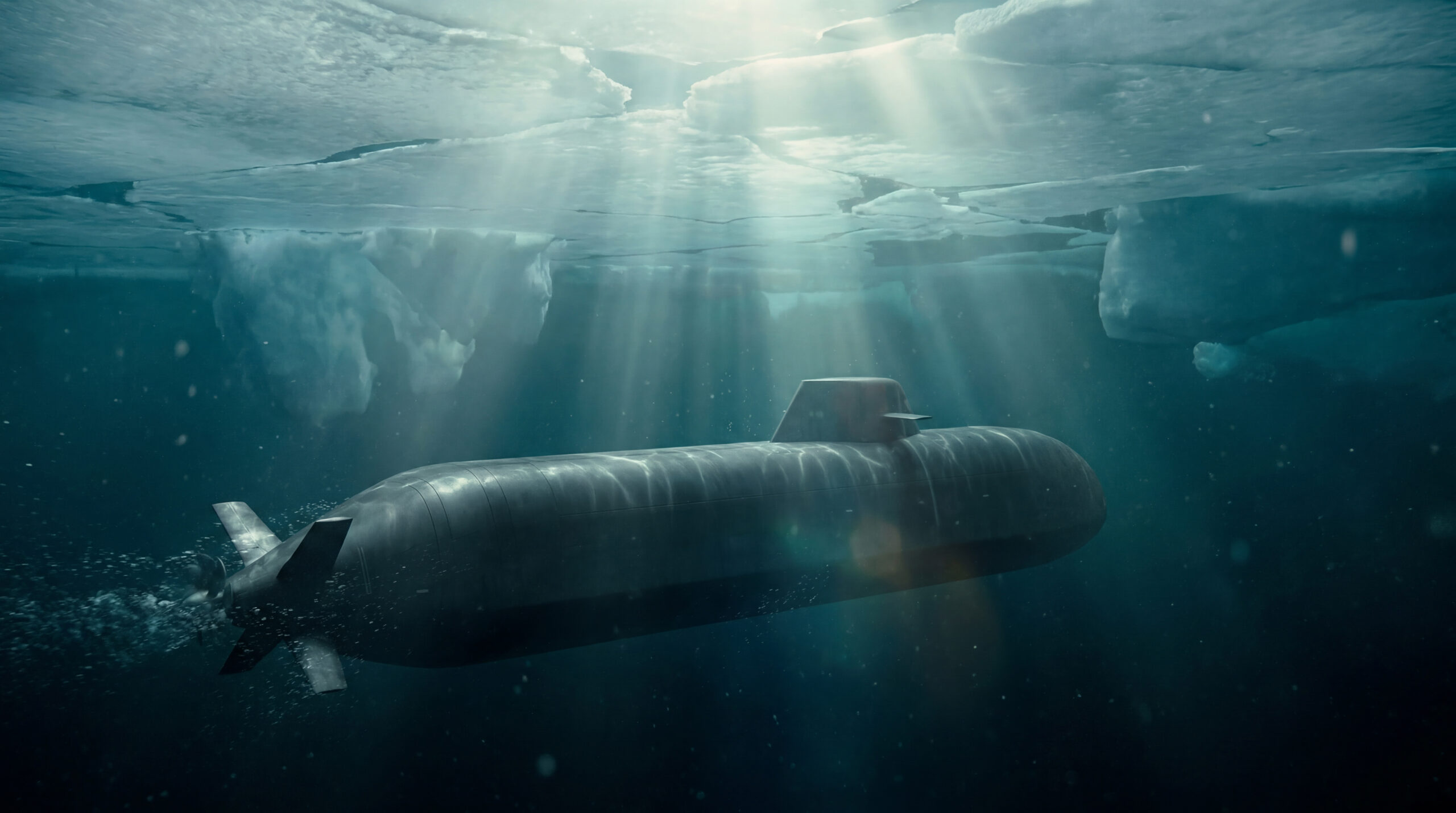
Canada’s operating environment makes the task especially demanding. Arctic missions are not a decorative requirement; they sit close to the centre of Ottawa’s future undersea posture. Cold-water operations, long distances, sparse infrastructure, ice conditions, difficult communications, and support constraints will all shape design, training, basing, and maintenance. TKMS and Canadian industry will need to turn a European submarine design into a fleet supportable across Canadian geography.
The decision also lands after an unusually active campaign from Hanwha Ocean, which had promoted a Korean alternative built around production speed, shipyard capacity, and industrial partnership. Canada’s choice of TKMS points toward NATO alignment, 212CD commonality, and European submarine design maturity, but the final industrial package will determine how much Canadian content and sovereign support capacity actually develop.
The Canadian industrial programme around TKMS has already widened beyond boat construction. Work on non-magnetic submarine steel, training and simulation, Arctic surveillance research, navigation software, automation system support, critical minerals, and wider dual-use innovation has been presented as part of the Canadian pathway. Those elements matter because submarine fleets depend on national competence in many small, technical areas that rarely attract public attention.
Undersea warfare supply chains are tightening across the market. Sonar, optronics, batteries, propulsion, acoustic materials, combat systems, and specialist steels are all being pulled by submarine programmes, frigate programmes, anti-submarine warfare aircraft, UUVs, and seabed surveillance systems. Lockheed Martin’s move to acquire Ultra Maritime’s ASW portfolio underlines how valuable those suppliers have become. Canada will enter that market at a point when many allies are chasing the same skills and components.
Shipyard sequencing will be a major constraint. TKMS must balance Canadian ambitions with existing German and Norwegian 212CD commitments. Reallocating production, expanding capacity, and qualifying Canadian sustainment infrastructure will take time. Early political optimism can fade quickly if delivery schedules, industrial benefits, and support arrangements are not locked down with enough realism.
Sovereign sustainment deserves close scrutiny. A Canadian enterprise must mean more than local branding around overseas dependency. Canada will need facilities, tooling, certified workers, technical data access, spares planning, software support, and the ability to manage upgrades without every major intervention becoming an overseas bottleneck. That investment must begin early, because submarine support skills cannot be created quickly once hulls arrive.
Training will also set the pace. Submariners, engineers, maintainers, and dockyard personnel require long development cycles. A larger fleet only improves availability if the workforce expands with it. Simulation, digital twins, maintenance planning tools, and Canadian training partnerships may become as important as the first steel cut.
TKMS now has the preferred route into Canada’s submarine future, but platform selection is only the visible start. The outcome will be judged by whether Canada can build a durable undersea industrial system: boats delivered on a credible schedule, maintained in Canadian hands, and available for operations across some of the most demanding waters in NATO.