IN Brief:
- Collins Aerospace has completed altitude testing of its Enhanced Power and Cooling System for the F-35.
- The system ran for several days at mission-representative power levels and was exercised towards operating limits at different altitudes.
- Collins says the testing provides additional performance-model validation after EPACS met aircraft-integration requirements in 2025.
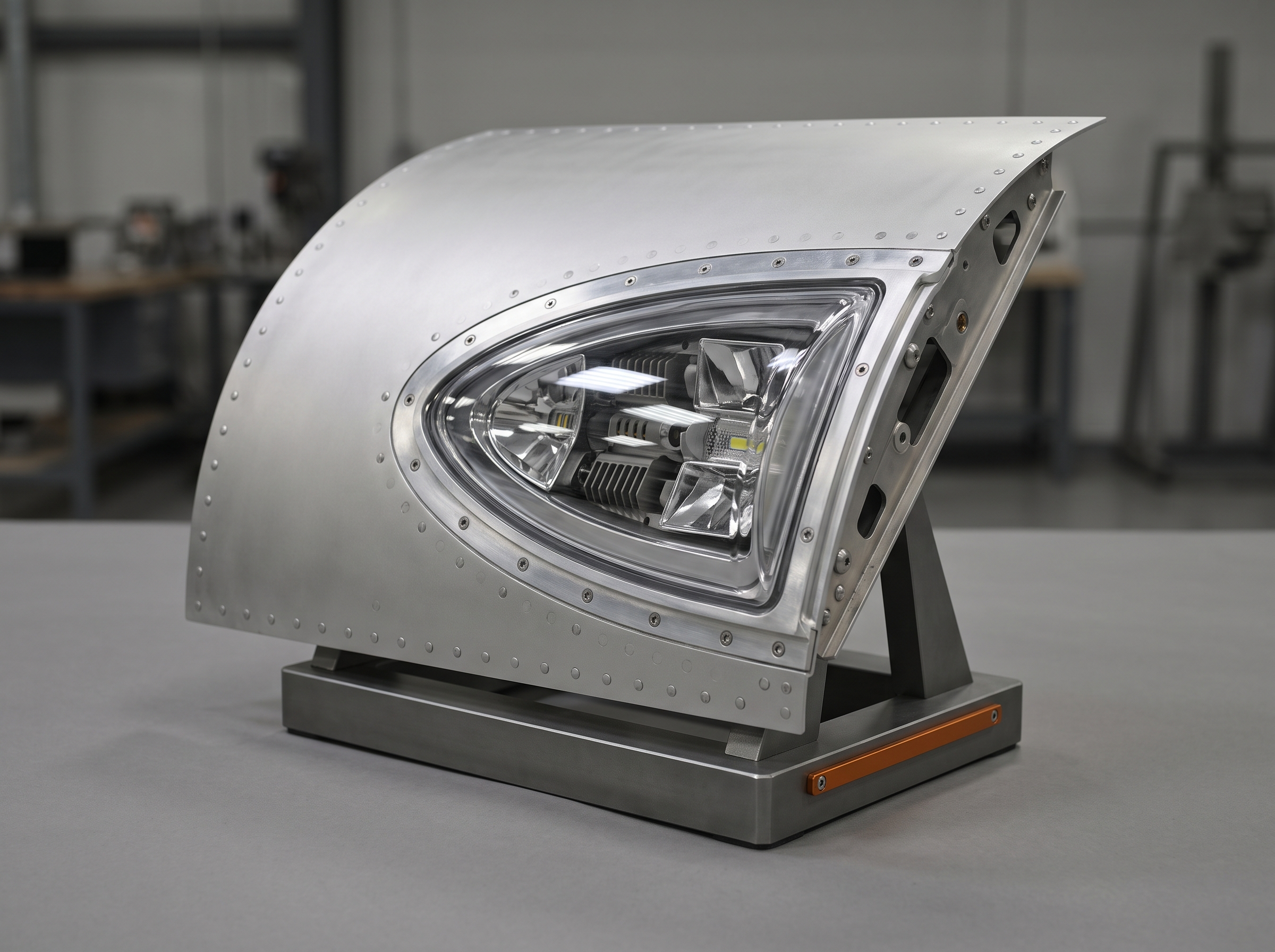
Collins Aerospace has completed altitude testing of its Enhanced Power and Cooling System, pushing the proposed F-35 power and thermal management architecture through several days of mission-representative operation at simulated altitudes. The trials exercised EPACS towards its operating limits while collecting data for system-performance models and demonstrating the emergency power expected during aircraft operation.
The work follows a 2025 milestone in which Collins said EPACS had met requirements for aircraft integration. The latest testing remains part of development and risk reduction rather than evidence of a fleet-wide production decision, but it adds environmental performance data to a system intended to create greater electrical and thermal margin for future F-35 mission equipment.
That margin has become an increasingly important engineering constraint as combat-aircraft electronics develop. Sensors, processors, electronic warfare equipment, communications hardware, and other mission systems place additional demands on electrical generation while producing heat that must be removed from a tightly packaged airframe.
The two problems are inseparable. More electrical power makes it possible to operate more capable electronics, but the energy consumed by those systems eventually appears as heat somewhere in the aircraft. Without sufficient cooling capacity, equipment can be forced to operate below its potential or require design compromises elsewhere in the platform.
Altitude testing is therefore more useful than a straightforward full-power run at ground conditions. Air pressure, density, and temperature vary across the flight envelope and influence the behaviour of thermal-management equipment. Components that perform predictably in a laboratory at sea-level conditions may behave differently when the system has to reject heat and generate power in a representative high-altitude environment.
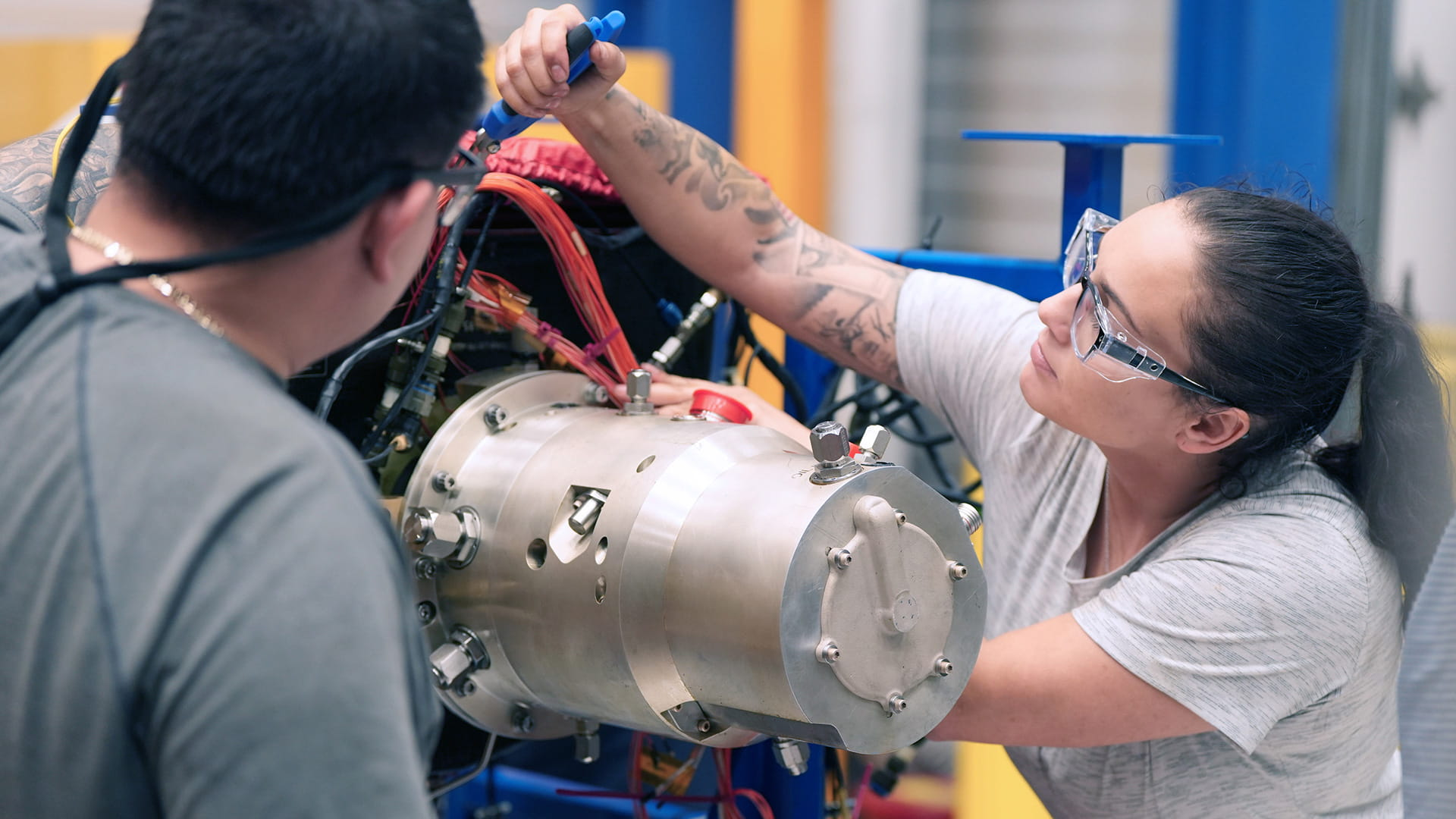
Collins says EPACS was run for several days at power levels intended to replicate mission requirements. It was also pushed towards operational limits at different simulated altitudes, generating measurements that can be compared with the analytical models engineers use to predict system behaviour.
Agreement between physical test data and those models reduces risk before more expensive integration activity begins. Where the results diverge, engineers can identify deficiencies in assumptions, component behaviour, controls, or heat-transfer calculations before equipment reaches an aircraft. The objective is not simply to demonstrate that the system works once, but to establish whether its performance can be predicted throughout the required envelope.
Emergency power forms another part of the test. A military aircraft’s electrical architecture has to remain capable of supporting essential functions when the normal configuration is disrupted, which places requirements on generation, switching, controls, and system response as well as maximum output. Demonstrating that capability under representative altitude conditions gives the programme evidence against a scenario that cannot be treated as a routine operating point.
The integration burden extends beyond the EPACS hardware itself. A new power and cooling architecture has interfaces with the engine, aircraft electrical network, environmental controls, software, maintenance systems, structural installation, and safety analysis. Changes can also affect weight, packaging, access for maintainers, and the configuration of adjacent equipment.
Those constraints become more difficult on an established multinational aircraft family. F-35 improvements have to coexist with aircraft already in production and service, while the A, B, and C variants impose different physical and operational requirements. A technically successful laboratory system therefore still faces aircraft-level integration, qualification, flight testing, sustainment planning, and production preparation before it can become fleet equipment.
Thermal margin also has a lifecycle value. Aircraft tend to accumulate new electronics over decades of service, and systems designed with little unused capacity can eventually make every subsequent upgrade more complicated. Additional cooling and power headroom gives programme planners greater freedom to introduce higher-demand mission systems without redesigning the utility architecture each time.
Manufacturing readiness will become important if EPACS progresses beyond development. Generators, compressors, heat exchangers, controls, pumps, valves, and other equipment have to be produced consistently across a large fleet, supported by qualified suppliers and backed by test equipment and repair capability. A production architecture also has to account for retrofit work if existing aircraft are included rather than limiting installation to new builds.
Maintainability is part of that calculation. A system capable of delivering greater power and cooling is of limited operational value if access or repair requirements increase aircraft downtime. Component replacement, fault isolation, built-in test, technical documentation, and depot support will therefore sit alongside thermal performance in any later production assessment.
The August milestone does not settle which power and thermal architecture will ultimately be fielded on the F-35, and Collins has not announced a production or installation timetable. It does show that EPACS has moved beyond nominal ground operation into a broader environmental test regime after meeting earlier integration requirements.
The next stages will have to demonstrate that the margin seen in test can be reproduced during aircraft integration and sustained across the F-35’s operating and support environment. Future mission systems will continue asking for more electricity and producing more heat regardless of which supplier’s hardware is selected; the utility system underneath them has the less glamorous job of ensuring they can actually stay switched on.