IN Brief:
- EDGE-owned SIATT and Safran Electronics & Defense have signed an MoU covering defence technology cooperation in Brazil.
- A central proposal is to establish solid rocket motor development and production capability at SIATT facilities.
- The wider scope includes missiles, loitering munitions, coastal defence, navigation, actuators, optronics, and seekers.
EDGE-owned SIATT and Safran Electronics & Defense are exploring the establishment of solid rocket motor development and production capability in Brazil under a wider agreement covering missiles, loitering munitions, coastal defence, and critical weapon subsystems.
EDGE and Safran announced the memorandum of understanding through SIATT, the Brazilian smart-weapons company in which the UAE group has been a shareholder and strategic partner since 2023. One of the central proposals is to establish solid rocket motor capability at SIATT facilities.
The agreement also covers inertial measurement and navigation systems, GNSS receivers, actuators, optronic sights, and seekers. That creates a potential cooperation structure spanning several of the principal subsystems required for guided weapons rather than concentrating on propulsion alone.
No investment figure, production volume, first missile programme, or implementation schedule has been disclosed. The MoU therefore defines a framework for future industrial work rather than confirming that a rocket-motor production line has already been funded or entered construction.
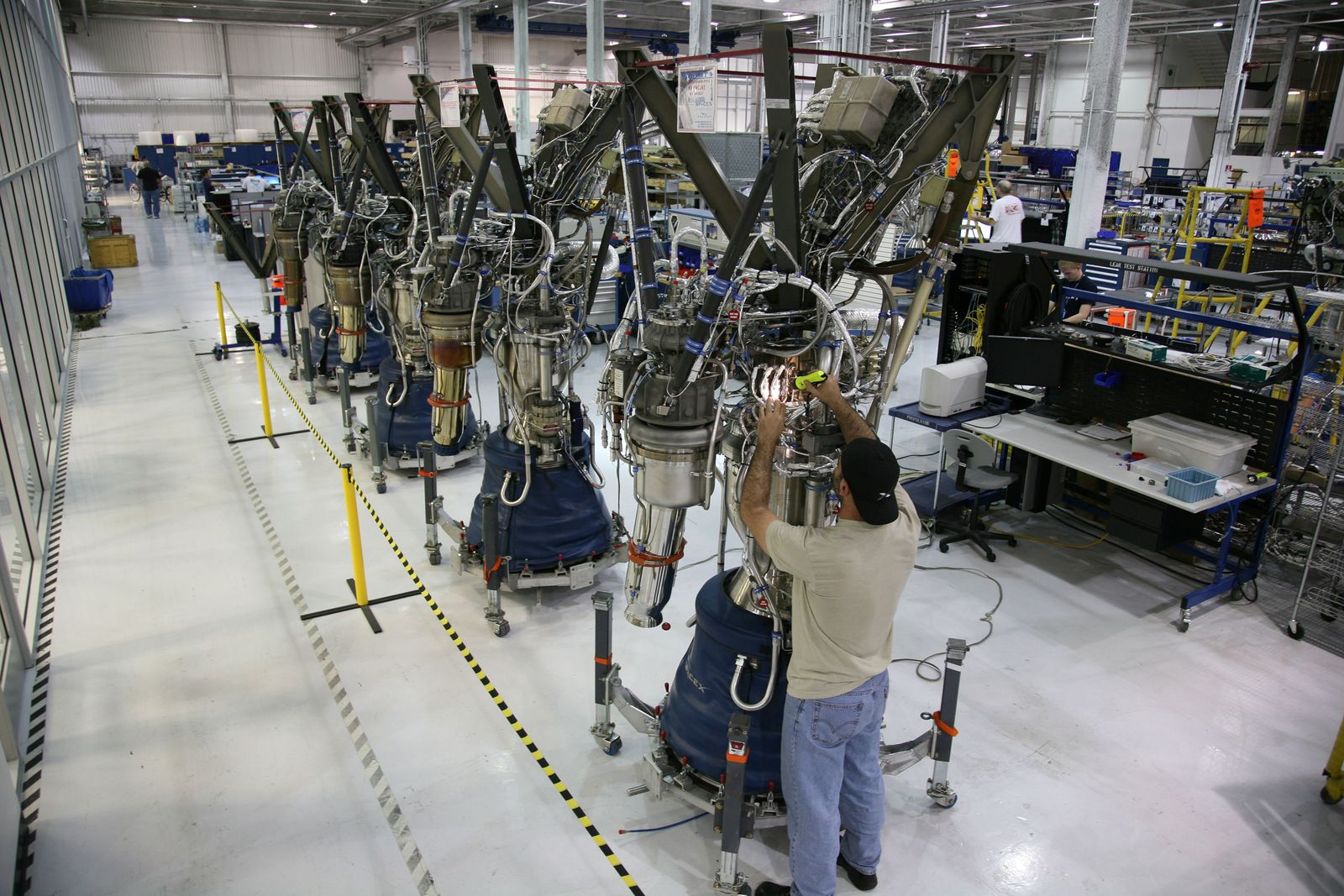
Solid propulsion would nevertheless represent a substantial increase in local manufacturing depth if the proposal reaches implementation. Rocket motors combine propellant formulation, grain geometry, casing manufacture, insulation, ignition, quality control, and specialised test processes that have to perform consistently across every production batch.
That makes propulsion different from final assembly. A country can assemble an imported missile while remaining dependent on overseas suppliers for the motor, seeker, navigation electronics, or control system. Establishing those technologies domestically changes the level of industrial control available for future production, modification, and replenishment.
Rocket motors can also constrain output. Expanding missile production requires the propulsion line to grow at the same rate as electronics, structures, warheads, and final assembly, yet energetic-material facilities are specialised and heavily controlled. Capacity cannot be increased as quickly as a conventional mechanical assembly operation.
SIATT provides the Brazilian systems-integration base for the proposed work. The company specialises in smart weapons and missile systems and acts as systems integrator for SisGAAz, Brazil’s strategic maritime surveillance and monitoring programme. Its São José dos Campos location also places it within one of the country’s principal aerospace and defence technology clusters.
Safran Electronics & Defense contributes technologies around navigation, guidance, optronics, actuation, and electronics. Those capabilities sit close to the propulsion work in the overall missile architecture because a guided weapon has to turn navigation and seeker information into control commands while maintaining a stable flight profile.
Bringing several of those technologies into one cooperation framework could reduce the number of separate industrial interfaces around future Brazilian weapons programmes. A propulsion partnership can remain relatively isolated if the surrounding guidance and control chain continues to depend on unrelated overseas suppliers; the wider MoU gives SIATT and Safran scope to address several subsystems together.
Loitering munitions and coastal defence broaden the possible application base. Those systems differ in size, endurance, and mission profile from conventional tactical missiles but still draw on navigation electronics, actuators, seekers, communications, propulsion, and mission software.
That creates opportunities for subsystem reuse if future products are designed around modular technologies rather than one narrowly defined weapon. It can also improve production economics by spreading investment in navigation, seeker, or actuation capability across more than one product family.
For Brazil, the strategic value depends on the depth of technology transferred or developed locally. Final assembly provides less sovereignty than control over propellant manufacture, seeker design, source code, qualification data, and the ability to alter a system without returning to the overseas partner for every change.
Those details have not yet been defined publicly. The current agreement identifies the areas of cooperation but does not state which technologies would be manufactured under licence, jointly developed, or retained under partner control.
Qualification will be another substantial step if the partnership moves forward. Solid rocket motors require repeatable manufacturing and destructive test programmes to establish confidence across production batches, while navigation, seeker, and actuation systems have their own environmental and performance certification requirements.
Developing several critical subsystems at once can increase sovereignty but also multiplies the engineering infrastructure required. Test ranges, environmental laboratories, energetic-material facilities, secure electronics production, software assurance, and trained personnel all have to mature alongside the products themselves.
The export model will influence how much capacity is eventually justified. A Brazilian production line serving only one domestic programme has different economics from a facility supplying regional or wider international customers, and the latter would bring additional licensing, qualification, and configuration-management requirements.
EDGE has already used SIATT as part of a wider expansion into Brazil, while Safran brings an established European defence and aerospace technology base. The MoU gives both companies a framework for combining those positions, but its industrial value will be determined by the contracts and facilities that follow rather than by the breadth of technologies named at signature.
A funded rocket-motor programme, defined weapon application, test campaign, production tooling, and customer order would each move the agreement towards measurable industrial capability. Until those milestones appear, the proposal remains strategically significant but pre-production.
If the propulsion element does reach qualified manufacturing, Brazil would gain domestic control over one of the more specialised links in the missile supply chain. Extending that work into navigation, seekers, and actuation would deepen the capability further, but the scale of that transfer remains the central unanswered question behind the current agreement.