IN Brief:
- Embraer delivered one C-390 Millennium and two A-29 Super Tucanos during the third quarter of 2026.
- The manufacturer delivered 175 aircraft across its businesses during the first nine months, 14% more than the equivalent period in 2025.
- Production levelling is spreading manufacturing and delivery activity more evenly through the year as defence programmes add international customers.
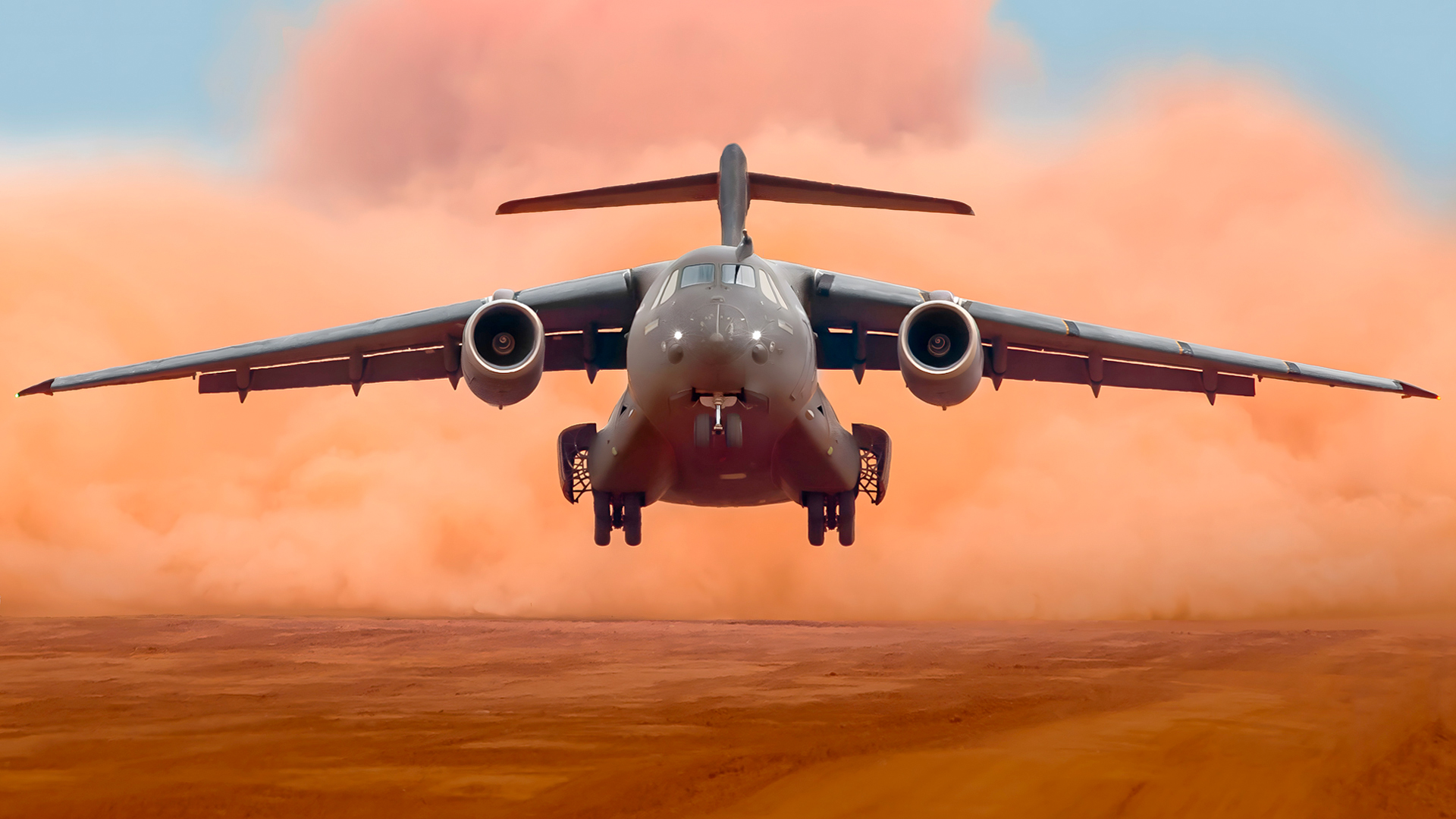
Embraer delivered one C-390 Millennium military transport and two A-29 Super Tucanos during the third quarter of 2026, lifting defence aircraft deliveries from one aircraft during the equivalent period last year.
The three military aircraft were part of 66 deliveries across the manufacturer’s businesses during the quarter, its strongest third-quarter result to date. Total aircraft deliveries during the first nine months reached 175, 14 per cent higher than the 153 recorded during the same period in 2025.
Embraer attributes the wider improvement to continued progress in production levelling, an effort intended to reduce the historic concentration of completed aircraft and customer handovers towards the second half and final months of the year.
Although the programme covers Embraer’s commercial and executive aircraft businesses as well as corporate production planning, the same industrial discipline matters to defence manufacture. Aircraft assembly, flight test, customer acceptance, supplier deliveries, engineering resources, and delivery personnel all become less efficient when too much work accumulates around year-end.
A more even production profile gives suppliers a steadier demand schedule and reduces the need for factories and test organisations to handle large peaks in completed aircraft over relatively short periods.
The defence totals remain small beside Embraer’s civil output, but the industrial workload is becoming more international. The C-390 has continued to add customers beyond Brazil, requiring the manufacturer to manage several national programmes with different delivery schedules, training requirements, support packages, and customer-specific equipment.
Military aircraft production cannot be increased simply by accelerating final assembly. Structures, engines, avionics, landing gear, hydraulic equipment, wiring, mission systems, interiors, and customer-specific equipment all have to arrive in sequence before an aircraft can move through ground test and flight activity.
Those suppliers can become the limiting factor as programme volume increases. Aerospace components frequently have long lead times and qualified sources, making it difficult to replace a delayed supplier quickly without additional certification or engineering work.
The C-390 also requires substantial post-assembly activity. Completed aircraft move through ground tests, flight tests, rectification, customer acceptance, documentation, and eventual delivery before they leave the production system.
Spreading those stages more evenly through the year can be as important as increasing the number of workstations inside the factory. An aircraft waiting for a flight-test slot remains unfinished inventory even if the physical assembly operation has already moved to the next airframe.
Embraer’s quarterly figures provide evidence that this levelling effort is improving across the wider company. It delivered 44 aircraft during the first quarter of 2026, followed by stronger output later in the year, rather than relying entirely on a final-quarter surge.
Defence deliveries have also occurred throughout the year. The first quarter included one C-390 and four A-29 Super Tucanos, while the latest quarter added another C-390 and two A-29s.
The two military production lines have very different industrial characteristics. The A-29 is a smaller turboprop aircraft with a long production history across training and light attack roles, while the C-390 is a substantially larger transport with a more complex structural, propulsion, and mission-system integration requirement.
Keeping both programmes active gives Embraer a broader defence manufacturing base but also creates different demands on tooling, labour, flight test, supply chains, and customer support.
International C-390 sales are particularly important because each new customer extends the period over which production facilities and specialist suppliers remain active. Longer production runs improve the case for investing in tooling, workforce, and capacity that would be harder to justify around a small domestic order alone.
The international programmes can also bring industrial participation requirements. Customer countries may seek component manufacture, maintenance, engineering, or final assembly work as part of procurement, adding another layer to the supply chain rather than concentrating all programme activity inside Brazil.
India is one example, with Embraer and Mahindra identifying Nagpur for a potential C-390 assembly operation if the aircraft wins the Indian Air Force Medium Transport Aircraft requirement. Such arrangements could increase overall programme capacity, but they also require tooling transfer, supplier qualification, training, and configuration control across more than one industrial site.
The near-term Brazilian production system therefore remains central even as longer-term localisation proposals develop elsewhere. New assembly operations cannot be established quickly enough to solve immediate supplier or delivery constraints, and major structures and systems may continue to depend on the existing production network.
The A-29 provides a second source of recurring military aircraft work. Continued international orders keep its manufacturing and support ecosystem active while the C-390 scales into a larger multinational programme.
Production levelling should make both programmes easier to manage if it reduces the amount of aircraft completion work pushed into the final quarter. Suppliers can plan material releases more consistently, factory teams face fewer short-term peaks, and flight-test and customer-acceptance organisations can spread their workload across a longer period.
The third-quarter result does not by itself establish a new long-term defence production rate. It confirms that three military aircraft were delivered during the period and that Embraer’s wider manufacturing system is distributing deliveries more evenly than in previous years.
The more useful measure will emerge over several quarters. If defence output grows while quarterly deliveries remain comparatively balanced, Embraer will have demonstrated that increased international demand is being absorbed through a steadier production system rather than another year-end acceleration.
That distinction will become increasingly important as the C-390 customer base expands. Higher orders create opportunity for more aircraft manufacture, but sustainable growth depends on keeping structures, systems, suppliers, test capacity, and customer acceptance moving at compatible rates.
The latest quarter provides another data point in that industrial transition. One C-390 and two A-29s have left the production system, while the larger task remains increasing military aircraft output without returning to the delivery concentration that Embraer’s production levelling programme is intended to remove.