IN Brief:
- Hefring Marine is one of 15 companies selected for NATO DIANA’s 2026 Mission Track.
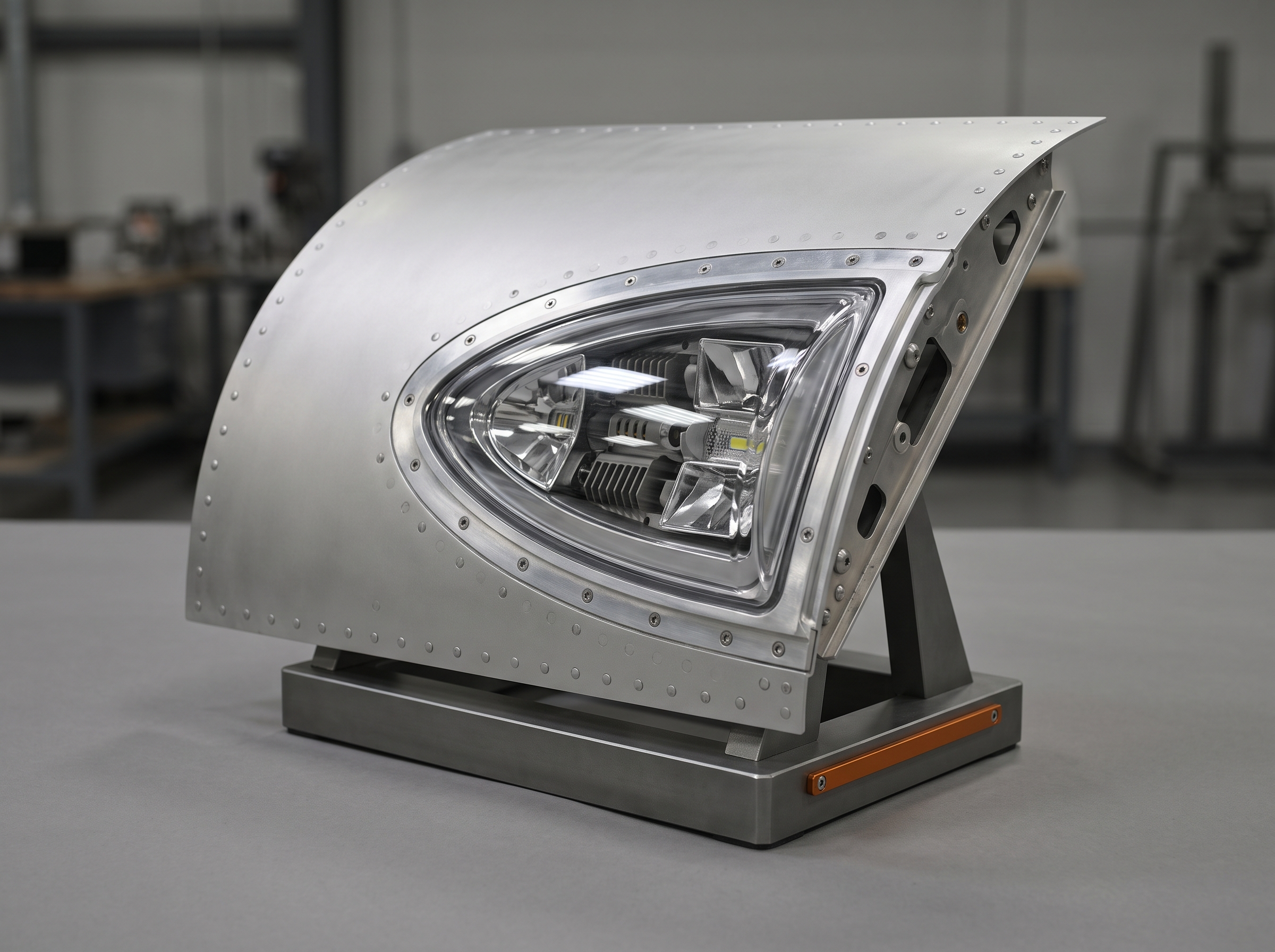
- Its ODIN system is designed to combine navigation and sensor data from existing vessels into distributed maritime-domain awareness.
- Mission Track provides €300,000 in non-dilutive funding, continued NATO test-centre access, and support focused on operational adoption.
Icelandic maritime technology company Hefring Marine has advanced into NATO DIANA’s Mission Track, moving its ODIN maritime intelligence technology into an adoption-focused phase intended to turn promising defence innovation into systems that can be deployed by operational users.
Hefring is one of 15 companies selected from NATO DIANA’s 2026 cohort of 150 innovators, which was itself chosen from more than 3,600 proposals submitted across the Alliance. Mission Track participants receive €300,000 in non-dilutive funding, continued access to NATO test centres, and tailored support focused on adoption and scaling.
The company is the only Icelandic participant to reach Mission Track and is developing ODIN, its Observation and Domain Awareness Network, around the idea that vessels already operating at sea can become nodes in a broader maritime sensing architecture.
ODIN is designed to combine information from navigation and object-detection systems across multiple vessels, building a distributed picture of activity at sea. Instead of treating each vessel’s sensor data as useful only to the crew on board, the system is intended to make selected information available across a wider network for intelligence, surveillance, and reconnaissance activity.
The technology builds on Hefring’s IMAS platform, which uses edge processing to provide real-time decision support aboard crewed and uncrewed vessels. Hefring describes the underlying system as capable of processing information locally rather than depending continuously on shore connectivity, an important characteristic for maritime operations where communications can be intermittent or contested.
Using existing vessels as distributed sensing assets could supplement dedicated surveillance platforms without requiring every additional observation point to begin with another specialised ship or uncrewed vehicle. The potential value lies in combining observations across many platforms rather than relying on an isolated sensor picture from one craft.
The harder task is making those inputs operationally useful. Vessels differ in their navigation equipment, cameras, sensors, computing hardware, and communications links, while military use introduces additional requirements around cyber security, data handling, authentication, and integration with command networks.
Mission Track is intended to address precisely that transition between a functioning technology and one that an Allied organisation can procure and use repeatedly. NATO says the 15 companies entering the programme are already working with militaries and defence companies and will now concentrate on scaling their solutions across the Alliance.
“Mission Track is important because with ODIN validated in real-time operations and exercises, the focus now moves decisively towards adoption,” said Karl Birgir Björnsson, CEO and co-founder of Hefring Marine. “Our priority now is to get these capabilities into the hands of operators, validate them in demanding environments and work through the practical steps needed to deploy them across existing Allied fleets.”
Those practical steps can be more difficult than an initial demonstration. Moving technology onto operational vessels requires interface control, software assurance, configuration management, cyber-security approval, crew training, maintenance arrangements, and a procurement route able to support deployment after experimental funding finishes.
Hefring has been increasing its engagement with Allied organisations as that transition progresses. In August, the company hosted NATO Supreme Allied Commander Europe General Alexus G. Grynkewich, US Permanent Representative to NATO Matthew Whitaker, and US Ambassador to Iceland Billy Long at its Reykjavík headquarters, where IMAS and ODIN were demonstrated.
The company is also participating in REPMUS 2026 in Portugal, the annual maritime experimentation exercise bringing NATO organisations, Allied navies, industry, and academia together around maritime robotics and uncrewed systems. Such exercises provide a more demanding environment for interoperability than a standalone technology demonstration because systems have to operate alongside equipment and users from different organisations.
For ODIN, that environment provides an opportunity to demonstrate whether distributed maritime information can remain useful when vessels, sensors, and operating conditions change. The engineering case will depend on the quality of the data produced, how effectively information can be fused, and how much useful processing can be conducted aboard individual vessels before data is transmitted elsewhere.
The programme also gives Iceland an unusual route into NATO’s defence-technology ecosystem. The country does not have a large conventional defence manufacturing base, but its maritime sector operates in demanding North Atlantic conditions where vessel safety, situational awareness, and reliable decision support already have strong commercial requirements.
Dual-use systems developed for those conditions can have military relevance without requiring a company to begin by developing a dedicated warship sensor. NATO DIANA’s model is built around identifying that kind of commercial technology and determining whether it can meet an operational defence requirement after additional testing and adaptation.
No NATO-wide procurement contract has been awarded to Hefring, and Mission Track should not be confused with fleet deployment. The current milestone gives the company additional resources and access to work through adoption barriers rather than guaranteeing an eventual acquisition.
The next measure of ODIN will therefore be whether Allied operators can integrate it with existing vessels and networks without creating another isolated information system. Hefring has moved beyond the initial accelerator cohort; Mission Track is where its maritime AI proposition has to demonstrate that distributed sensing can become an operational capability rather than remain a successful experiment.