IN Brief:
- Advanced composite protection is reshaping the balance between vehicle survivability, weight, and mobility.
- Autonomous platforms need resilient onboard data, while UAV manufacturers must scale battery production safely and consistently.
- Procurement confidence and secure supply chains underpin the transition from promising designs to operational capability.
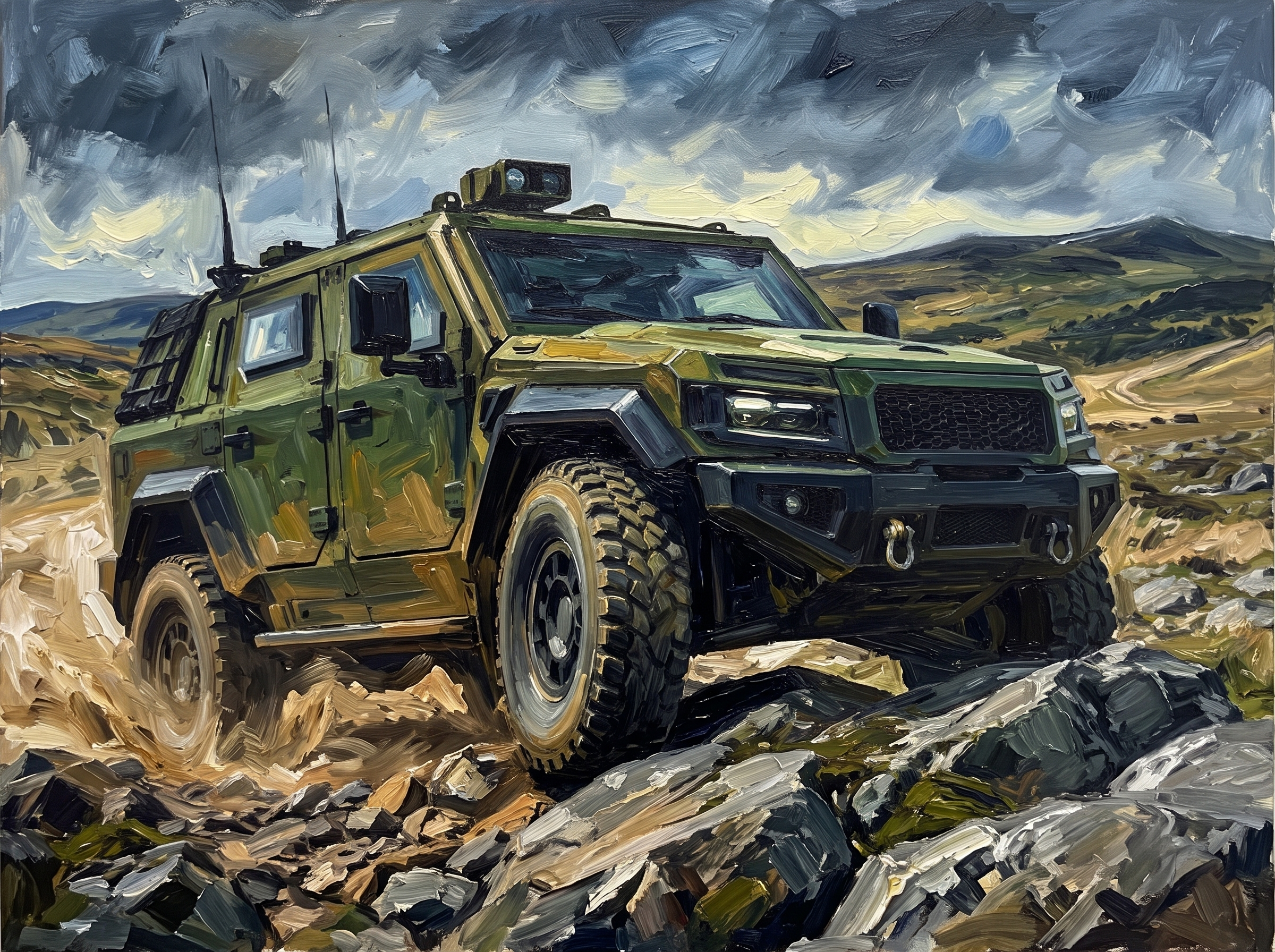
IN Defence Issue 4 is out now, and the November edition puts a familiar defence engineering dilemma on its cover: how do you protect a vehicle without weighing it down?
Adding steel can improve ballistic resistance, but extra mass also affects mobility, range, and payload. Jonathon Diffey of ASL GRP looks at a different approach, using moulded composite protection designed around the vehicle rather than treating armour as an afterthought.
Reliability matters just as much beneath the armour. Increasingly autonomous land systems must retain trustworthy sensor data when communications are degraded or power is interrupted, a challenge examined by Tuxera’s Rahn Twitchell. For UAV developers, the pressure comes earlier in the process: batteries that work in prototypes must be manufacturable, traceable, and safe to ship at commercial volumes.
The November edition also follows the growing role of maritime sensing and the opportunities for dual-use technology, against an industrial backdrop in which higher defence spending still needs to translate into dependable orders.
Issue 4 brings those practical questions together, from the components inside a platform to the production decisions that determine when it can enter service.