IN Brief:
- Japan and Indonesia are discussing a possible transfer of Asagiri-class destroyers.
- Any deal would need to cover refit, training, maintenance, documentation, combat systems, and support equipment.
- The talks reflect Japan’s more active defence export posture and Indonesia’s continuing fleet modernisation needs.
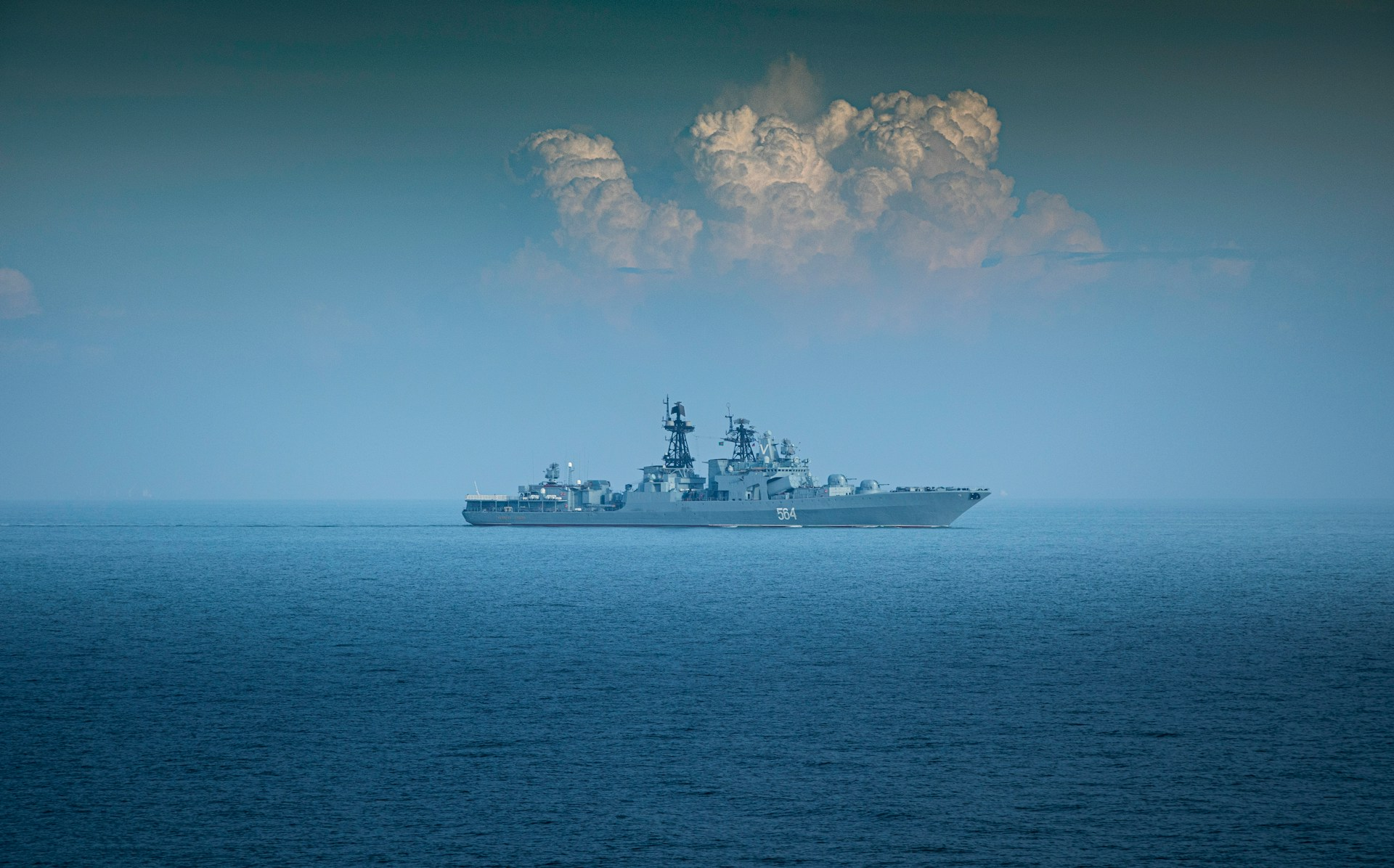
Japan and Indonesia have opened talks over a possible transfer of JMSDF Asagiri-class destroyers, creating a naval modernisation opportunity that would depend heavily on refit, sustainment, and training rather than the simple handover of hulls.
Although the discussions centre on second-hand Japanese warships, the industrial work behind any transfer would be considerable. A used surface combatant needs a detailed package of hull surveys, machinery inspection, weapons and sensor review, documentation transfer, spares planning, crew conversion, support equipment, and long-term maintenance arrangements. For Indonesia, the attraction is rapid access to larger surface combatants. For Japan, the talks offer a practical route into deeper maritime security cooperation with Southeast Asian partners.
The Asagiri class entered service from the late 1980s and was built around anti-submarine warfare, escort duties, and fleet support roles. Age does not automatically make a vessel unsuitable, but it shifts attention toward condition, residual life, and supportability. Engines, shafts, gearboxes, radars, sonars, electrical systems, combat management equipment, and weapons interfaces all require careful assessment before a transfer can be judged cost-effective.
A warship transfer of this type can create work across survey, repair, training, documentation, and modernisation. Indonesia would need to decide whether any transferred ships remain close to Japanese baseline configuration or receive localised changes. Communications systems, navigation equipment, datalinks, electronic support measures, combat-system displays, and weapons support may all need adjustment. The transfer itself would only be the first step; the larger industrial burden would be keeping the ships operational inside Indonesia’s existing fleet structure.
Second-hand naval transfers are becoming more strategically attractive as new shipbuilding capacity remains constrained. Smaller and mid-tier navies face long waits for new frigates and destroyers, rising costs, and limited access to advanced systems. Used platforms can provide an interim capability path, but they move risk into sustainment. The industrial burden shifts from clean-sheet design into lifecycle extension, system compatibility, spare-parts recovery, and platform regeneration.
The same logic is visible in Europe, where Poland’s submarine bridge using HMS Södermanland shows how legacy platforms can help manage a capability gap if support arrangements are disciplined from the start. Surface combatants and submarines create different engineering burdens, but the underlying question is similar: whether a legacy asset can provide useful operational depth without creating a disproportionate maintenance liability.
Japan’s role adds another layer. Tokyo has gradually adjusted its defence export posture, and warship transfer talks with Indonesia would give that shift a practical maritime dimension. Japanese shipbuilders have deep technical competence, but relatively limited export experience compared with European, South Korean, and US competitors. Transfers, refurbishment packages, and support agreements may give Japan a lower-risk path into regional naval cooperation than competing immediately for newbuild combatant programmes.
Indonesia’s perspective is shaped by archipelagic geography and fleet diversity. The country needs vessels for patrol, sea-lane security, air defence, anti-submarine warfare, and presence across a vast maritime area. It has pursued a mixed procurement model involving domestic shipbuilding, overseas purchases, and technology partnerships. Adding Japanese destroyers could deepen capability, but it could also add another platform family to an already complex maintenance and training environment.
The most important work would therefore come before any final agreement. A credible industrial package would need to define hull condition, residual service life, spare-parts availability, ammunition and missile support, combat-system refresh options, crew training, maintenance geography, and Japanese supplier involvement. Indonesian yards may also seek a role in sustainment, particularly if the deal is intended to support domestic naval industrial capacity rather than short-term fleet expansion alone.
For the wider naval market, the talks underline the growing importance of ship availability as a strategic resource. New warships take years to design, contract, build, test, and commission. Used vessels offer a faster path, but speed comes at the price of obsolescence management and support risk. Companies able to survey, modernise, integrate, document, train, and sustain legacy vessels are becoming increasingly important to maritime capability planning.
An Asagiri-class transfer would not be judged only by the number of ships delivered. Its success would rest on whether the support model can keep them available, affordable, and integrated within Indonesia’s fleet. In a region where maritime competition is intensifying and shipyard capacity remains finite, lifecycle engineering may decide more than the transfer headline.