IN Brief:
- Mach Industries has acquired Exquadrum, which is now operating as Mach Energetics.
- The deal adds solid rocket motor, propulsion, launch, munitions, testing, and technical services capability.
- Exquadrum’s 70,000 sq ft Victorville facility and FORGE test site give Mach a tighter development-to-production route.
Mach Industries has acquired Exquadrum and is integrating the business as Mach Energetics, giving the defence manufacturer in-house propulsion, energetics, test, and manufacturing capability for its unmanned systems portfolio.
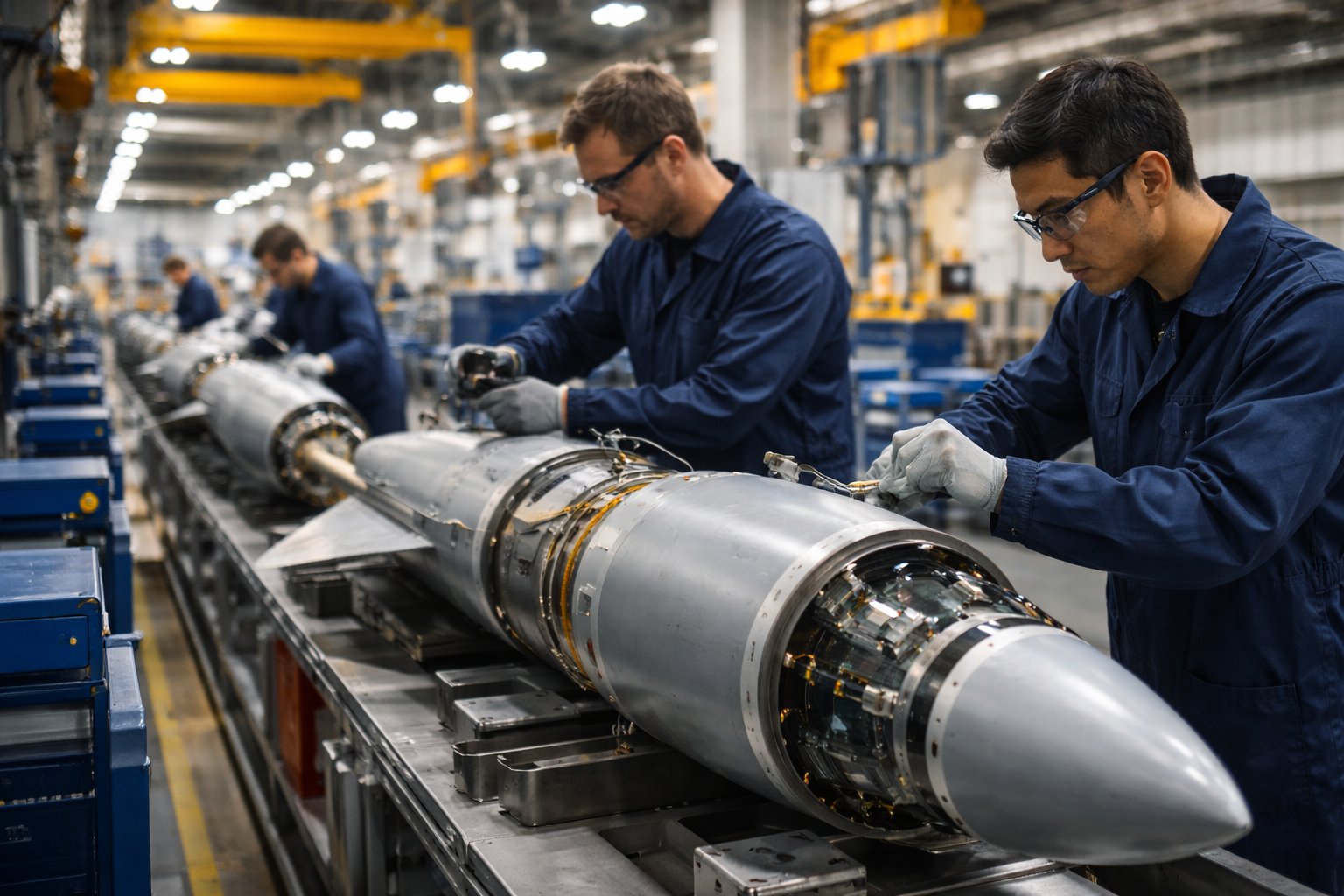
The acquisition brings Exquadrum’s solid rocket motor propulsion technologies, launch capabilities, divert and attitude control systems, munitions, testing, and technical services into Mach’s platform architecture. Exquadrum’s engineering team and facilities are being folded into Mach’s development and production operations to support faster testing cycles and more rapid iteration across platforms.
The deal includes a 70,000 sq ft facility in Victorville, California, and the nearby FORGE energetics and rocket propulsion test site. Mach says the infrastructure will support both internal programmes and external customer work, including propulsion systems for booster, sustainer, and UAS platforms.
The acquisition gives Mach control of a constrained part of the defence production stack: motors, energetics, testing, and the engineering feedback loop between propulsion and airframe design. For a company building unmanned systems, that vertical integration can shorten the distance between design change, motor test, airframe update, and production decision.
Solid rocket motors and energetics capacity remain recurring bottlenecks across missiles, interceptors, rockets, hypersonic test vehicles, uncrewed systems, and space-adjacent defence programmes. When propulsion suppliers are scarce, development cycles slow and platform designers are forced to adapt around available motors rather than optimise the whole system.
Mach’s model aims to compress that cycle by bringing propulsion, guidance, control, airframe, and manufacturing closer together. That does not remove qualification work, safety regulation, or production risk, but it can reduce dependence on external vendors and make testing schedules easier to control.
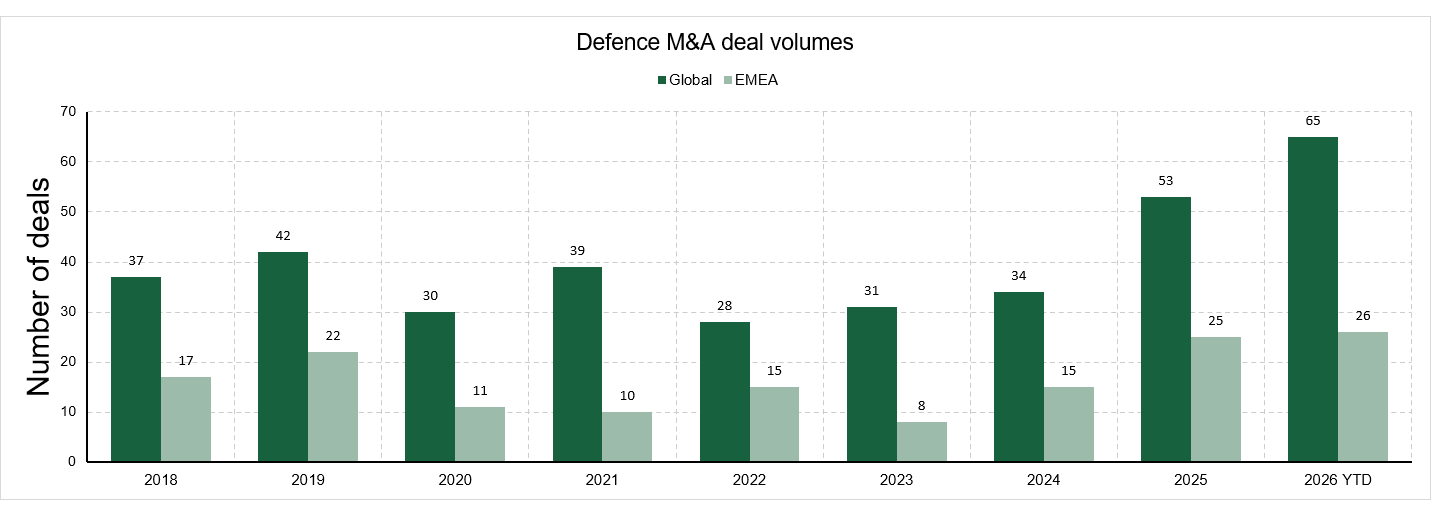
The same industrial pressure is visible elsewhere in the weapons base. Kongsberg’s move to add Zone 5 missile capacity and Rocket Lab’s HASTE award for hypersonic testing both point toward the same bottlenecks: motors, test cadence, manufacturing systems, and qualified suppliers. The capacity hidden beneath the platform often decides how quickly capability can be fielded.
The Exquadrum acquisition also shows how unmanned systems are moving closer to traditional missile and rocket disciplines. Small drones and larger autonomous platforms increasingly need propulsion tailored to mission profile, range, launch method, payload, cost, and production volume. A one-way attack system, high-speed interceptor, loitering munition, or boosted payload cannot rely on generic propulsion if the design is to be optimised.
Scaling safely will be the harder phase. Energetics manufacturing is not a software sprint. Facilities must handle hazardous materials, strict process controls, environmental requirements, inspection, storage, transport, and safety cases. Faster iteration is valuable only if quality and safety remain disciplined. A failed batch, inconsistent propellant, weak bond, or inadequate inspection process can erase any schedule gain.
The Victorville facility and FORGE test site give Mach a stronger infrastructure base for that work. Test access is especially important because propulsion development depends on repeated firings, measurement, failure analysis, redesign, and qualification. A company that controls test scheduling and manufacturing feedback can shorten development loops that would otherwise depend on external facility availability.
The acquisition also gives Mach Energetics a possible external customer role. Mach has said the infrastructure will support customer-driven work as well as internal programmes. That could position the business as a component and subsystem supplier into a wider market, particularly if demand for boosters, sustainers, UAS propulsion, and missile subsystems continues to grow.
For the U.S. defence technology sector, the deal reflects a broader movement away from pure software-led disruption and toward hard manufacturing capacity. Autonomy, drones, and low-cost weapons still depend on physical production: motors, materials, machine tools, test cells, batteries, warheads, casings, electronics, and inspection systems.
Mach’s acquisition of Exquadrum moves one defence-tech company deeper into the manufacturing layer. If Mach Energetics can increase throughput and reduce lead times while supporting both internal and external programmes, the acquisition could become a useful example of how newer defence manufacturers build resilience. The future of unmanned systems will not be decided by airframes alone, but by the companies able to control the propulsion, test, and production systems underneath them.