
News
-

Commercial satellite communications are entering UK military architecture more deeply. Starshield use places commercial low-Earth-orbit connectivity alongside sovereign satcom planning, increasing focus on secure terminals, hybrid networks, cyber assurance, and operational resilience.
-
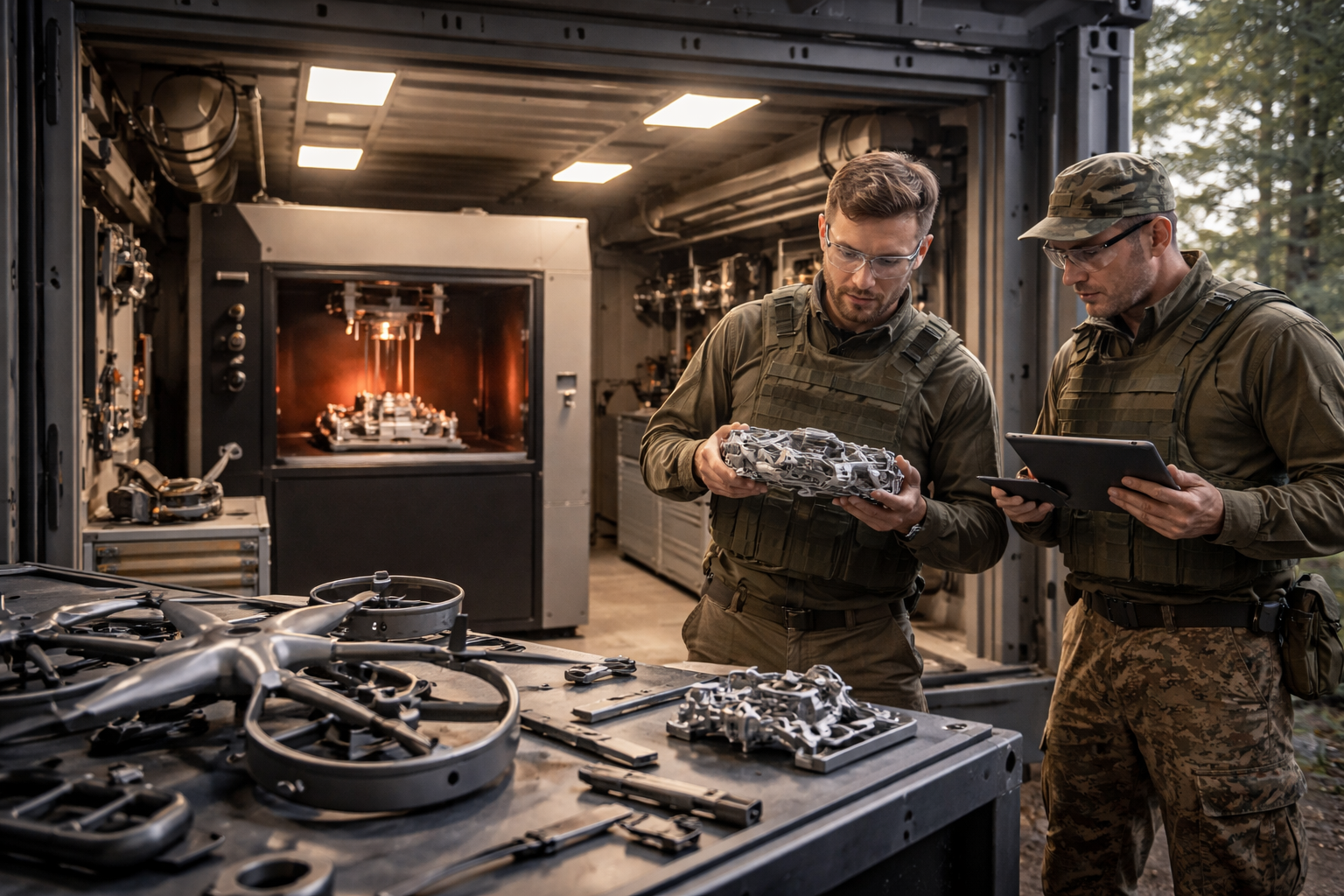
Spain is building swarm autonomy into its defence UAV base. FENIX brings together domestic platform, guidance, navigation, and research capabilities to develop heterogeneous drone swarms for reconnaissance and surveillance in complex environments.
-
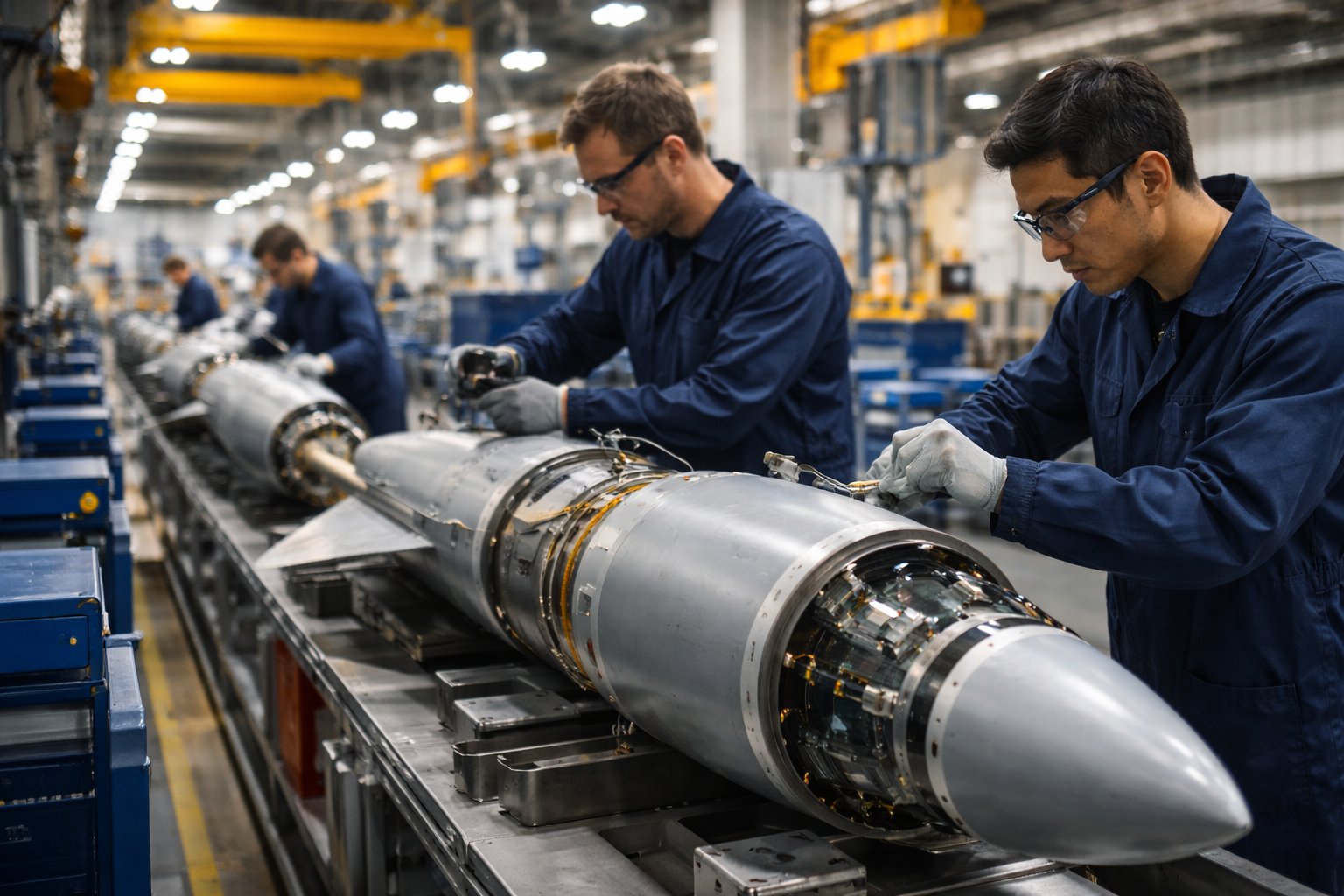
Diehl is reshaping short-range air defence for mobile NATO forces. IRIS-T SLS MK 4 combines mobility, sensing, command functions, and missile effectors as European users rebuild layered protection against drones, aircraft, and precision weapons.
-
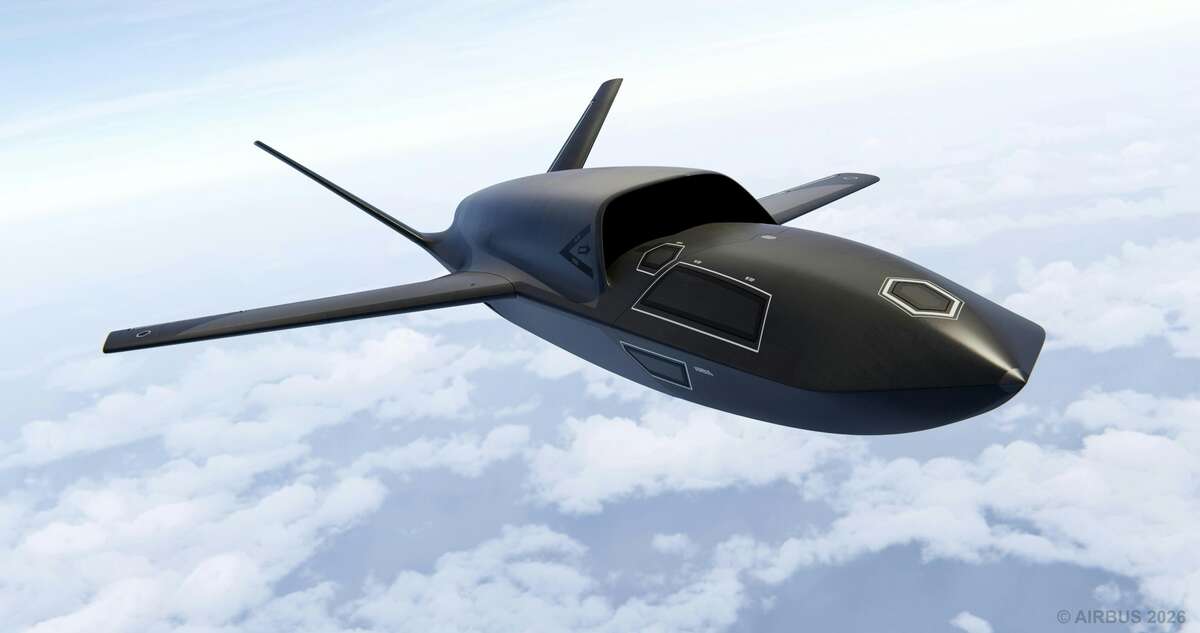
Airbus is pushing European military drone production toward broader families. Its ILA Berlin portfolio spans autonomous helicopters, tactical systems, and collaborative combat aircraft, setting uncrewed capability against strained future fighter programmes.
-

VLS reload pressure exposes naval firepower’s manufacturing support gap clearly.
-
Shipboard drone operations are moving deeper into Indo-Pacific force design. US Marines have operated Shield AI’s V-BAT from USS Portland, reinforcing demand for compact maritime UAVs that can launch, recover, and sustain ISR missions from confined decks.
-
Palladyne and IAI bring loitering-munition production closer to US industry.
-
China is extending mobile air-defence development around HQ-16-derived missile systems. Recent live-fire drills show a 6×6 launcher, radar, and command element, keeping pressure on sensor, interceptor, and electronic-warfare production.
-
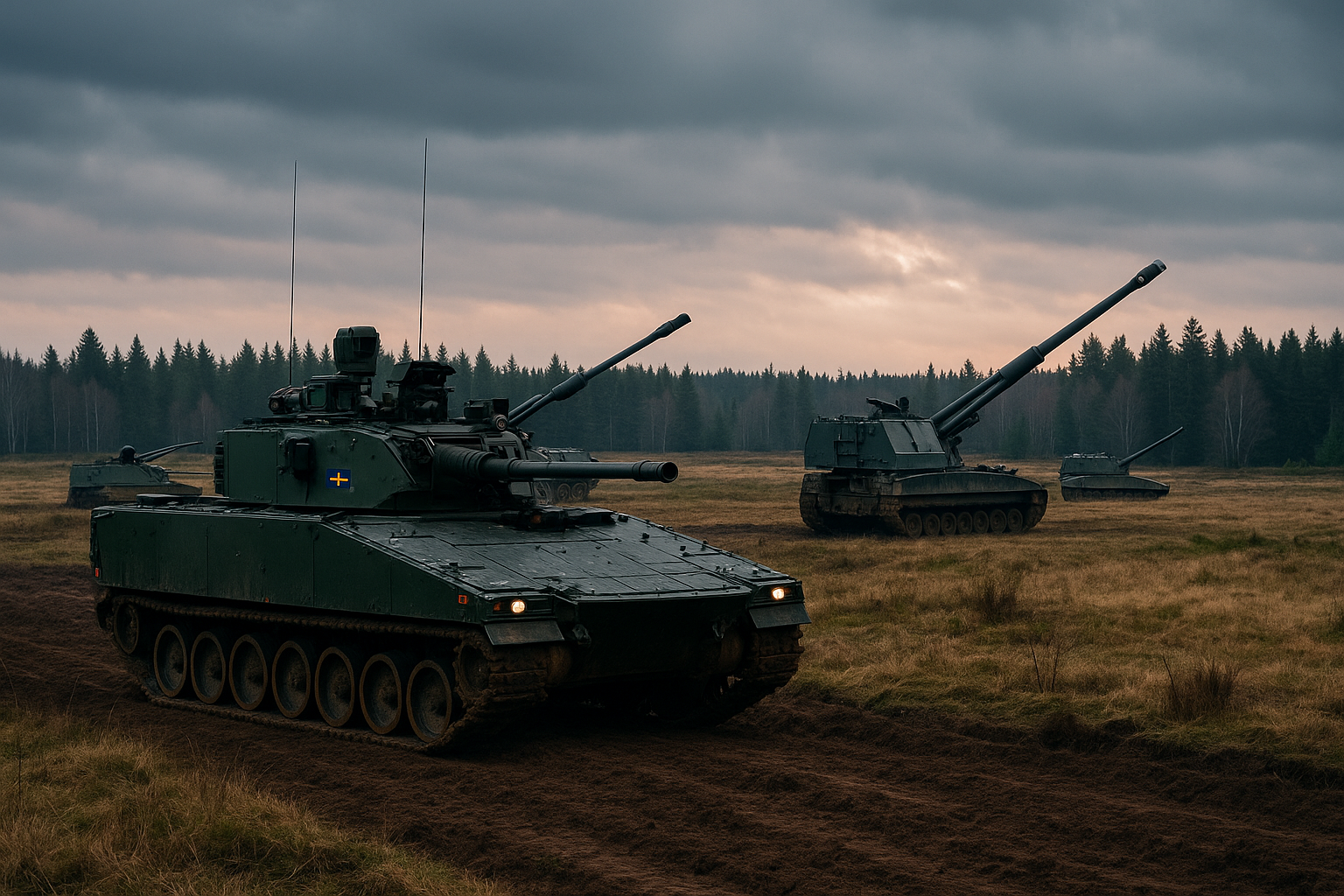
Swiss AGM order reinforces Europe’s automated artillery production revival push.
-
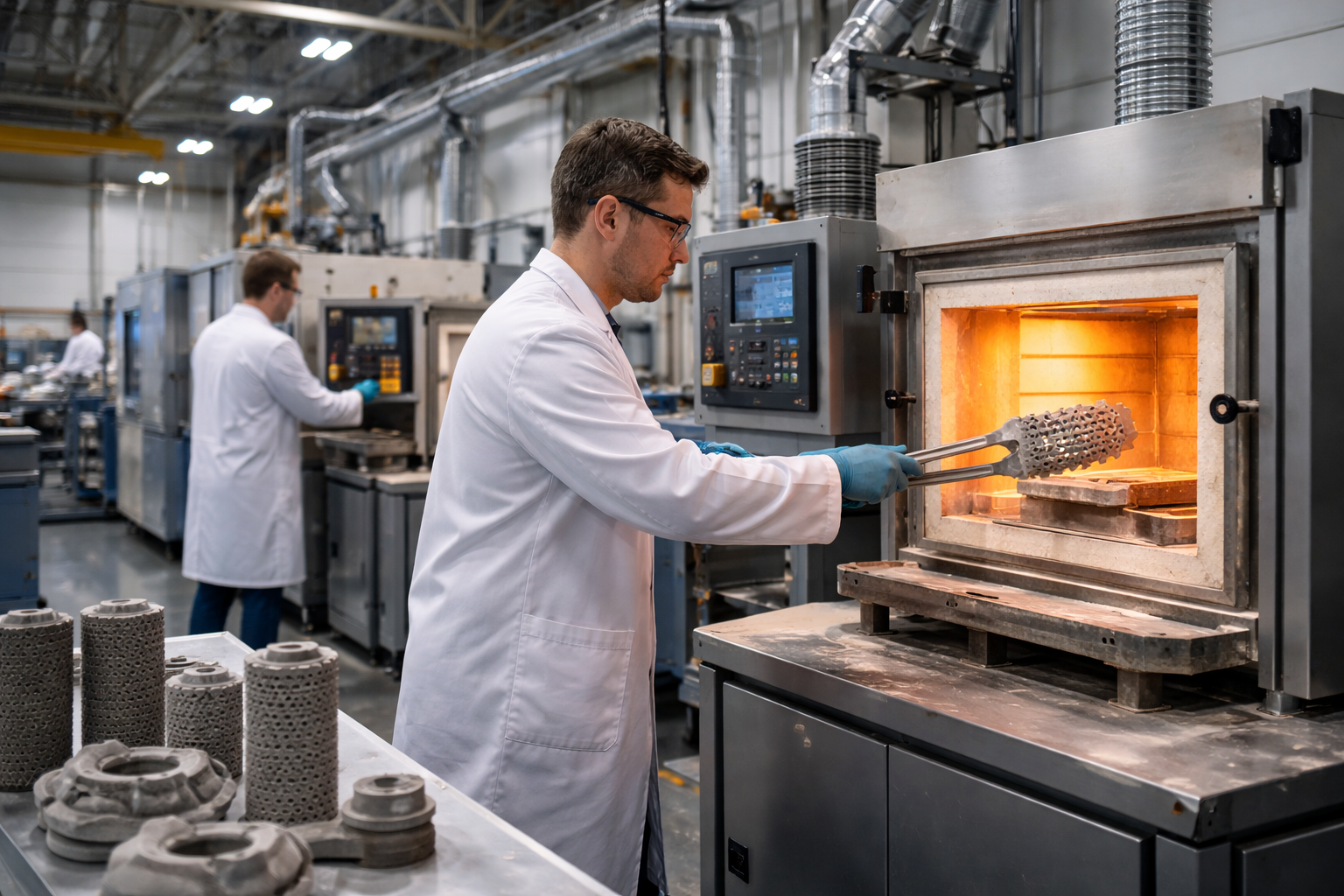
Australia is expanding domestic artillery projectile production in regional Queensland. A new Rheinmetall NIOA Munitions forging line will support 155mm M795 output, giving the ADF another domestic route into heavy ammunition supply.