
News
-

Bournemouth University is expanding Britain’s cyber-defence and autonomy skills base. The programme links MoD BattleLab facilities, autonomous systems testing, and specialist cyber education with the production needs of future defence technology.
-
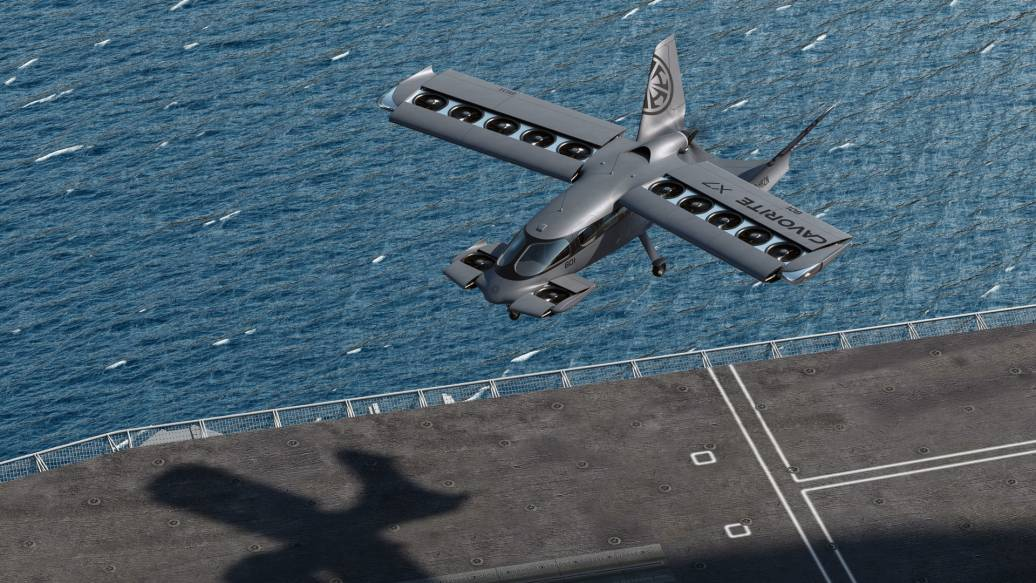
Marshall Aerospace has advanced Horizon’s Cavorite X7 control-system development programme. The work gives the hybrid-electric VTOL programme a flight dynamics model to support control laws, safety analysis, and certification planning.
-
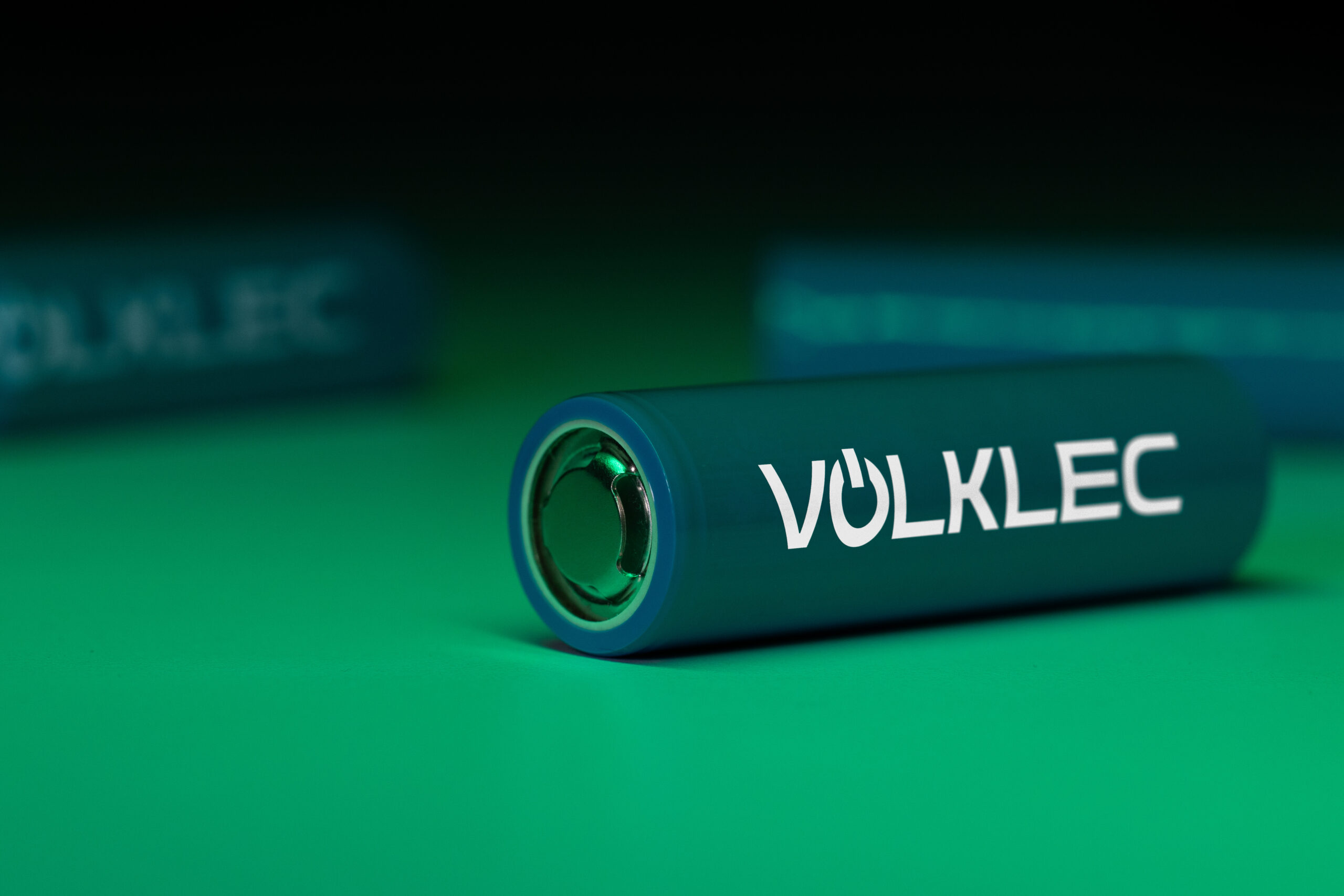
Volklec is moving UK battery cells toward defence platforms directly. AMBERS brings together Volklec, Ricardo, and Hyperbat to develop a modular battery route for high-performance automotive and defence electrification.
-
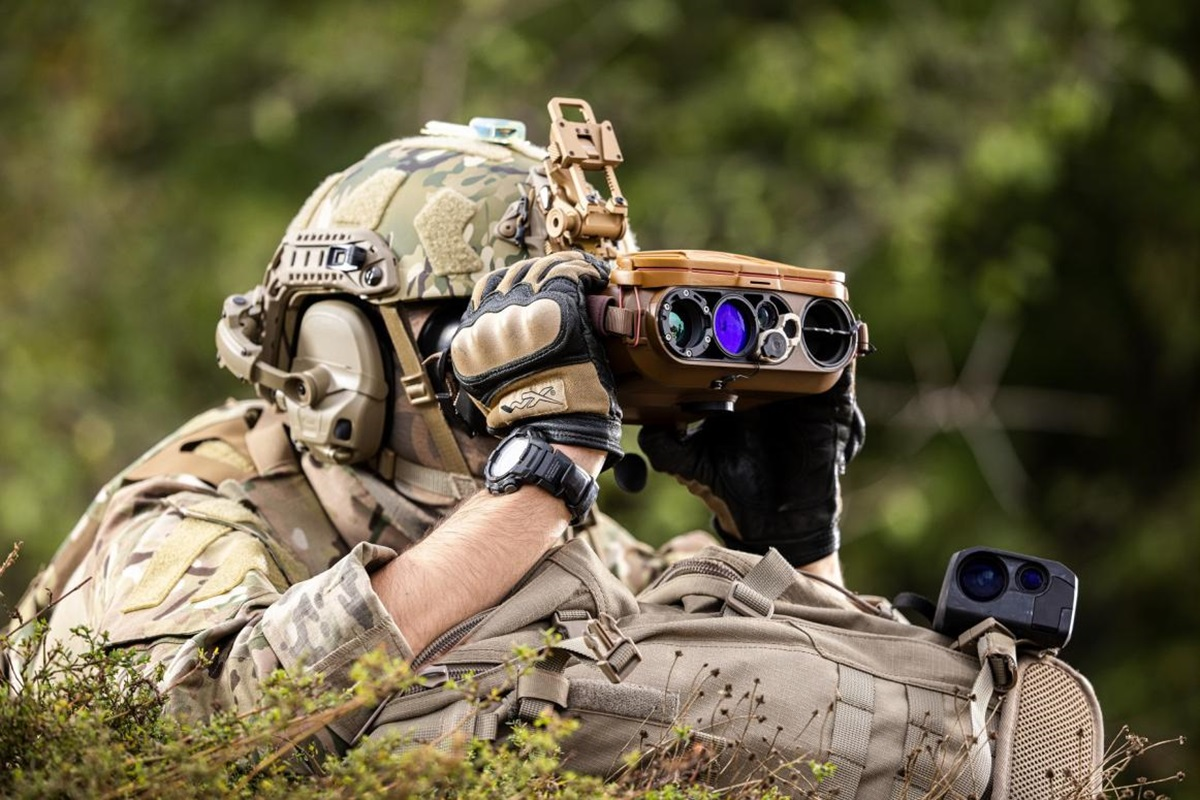
Safran is expanding German production capacity for defence navigation equipment. The new Ludwigsburg facility will strengthen output and sustainment for PNT, fibre-optic gyroscopes, and optronic systems used across modern platforms.
-

Raytheon is extending SPY-6 radar production for naval modernisation programmes. The $515 million US Navy award supports destroyer upgrades, integration activity, and allied sensor demand around advanced air-and-missile defence.
-
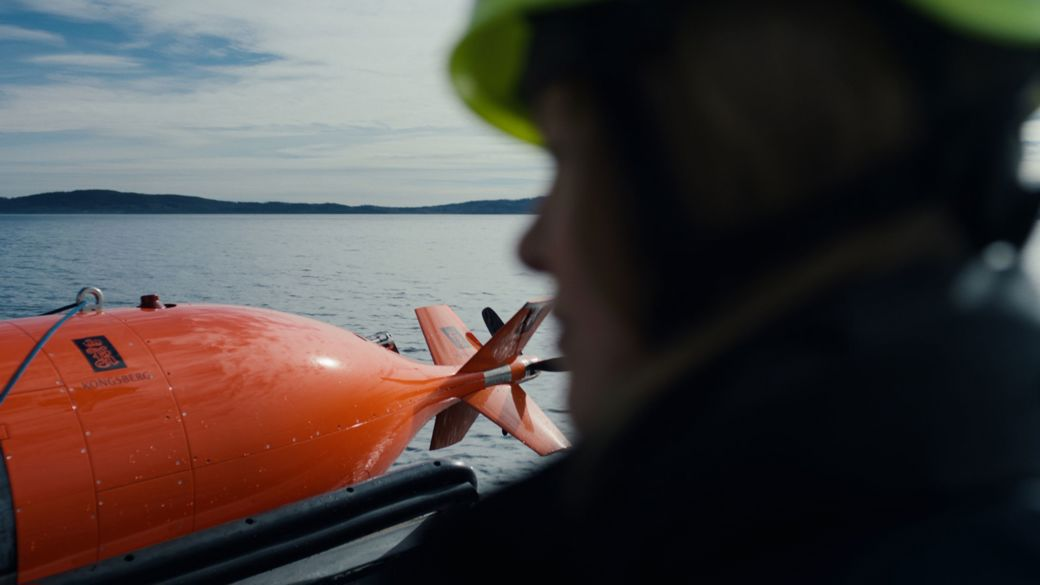
Kongsberg and DRASS are strengthening Europe’s underwater autonomy manufacturing base. Their partnership brings UUVs, compact submarines, sonar, navigation, and subsea payload integration into a broader push for persistent maritime defence systems.
-

US loitering-munition production is gaining a domestic Israeli-designed route now. Palladyne AI and Israel Aerospace Industries will adapt HARPY, HAROP, and Mini HARPY systems for US defence customers and assembly pathways.
-
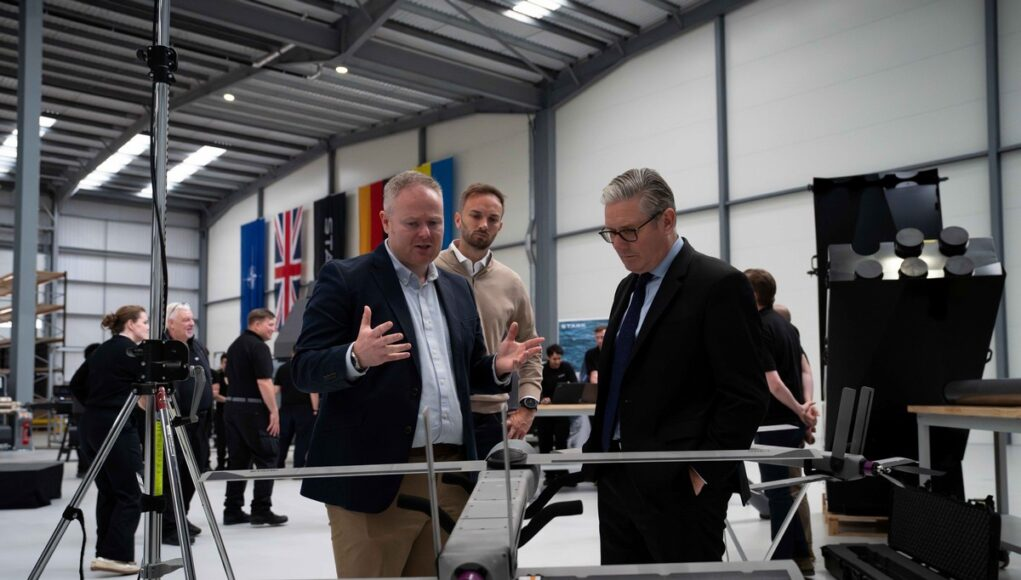
STARK has widened Europe’s options for attritable strike drone production. Cascade and Gambit add tube-launched, quadcopter, and swarm-enabled systems to a market increasingly defined by cost, iteration speed, and manufacturing scale.
-
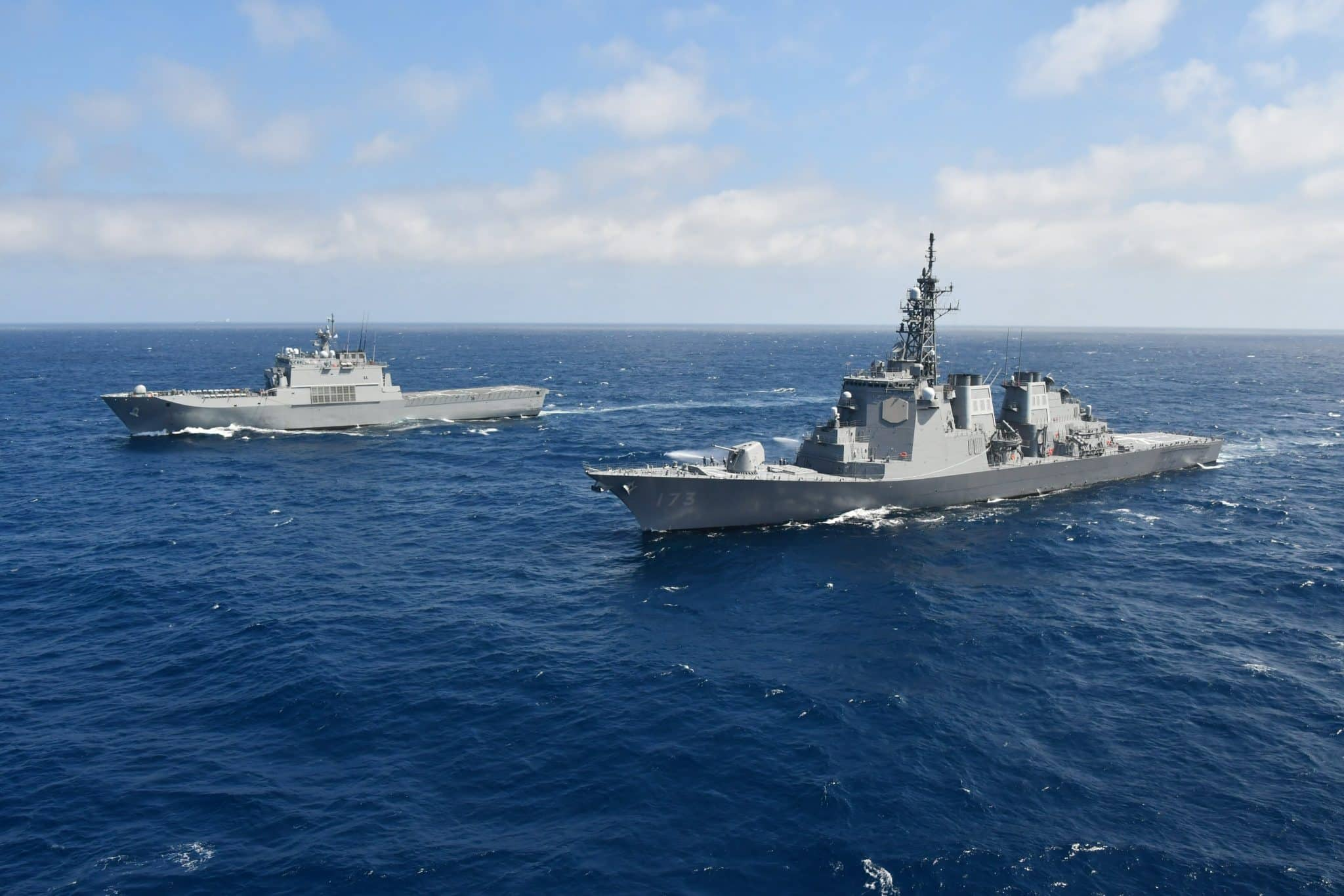
Japan and South Korea have restarted bilateral maritime rescue exercises. The renewed SAREX activity reopens practical work around datalinks, cross-deck aviation, and regional naval interoperability after a nine-year pause.
-

Central Europe is adding secure tactical networking through Falcon IV. L3Harris has received a $170 million radio order, reinforcing NATO demand for interoperable voice, data, video, and resilient command-and-control connectivity.