Babcock is tying workforce planning directly to programme delivery. Its new agreement with Fife College and Forth Valley College links regional training capacity to naval production, advanced manufacturing, and long-term defence sustainment demand.
Denmark is upgrading simulation as core military infrastructure. Its seven-year OneArc deal turns synthetic training into a long-cycle software, terrain-data, and support programme rather than a standalone procurement of training devices.
Thales has packaged layered air defence into one exportable architecture. SkyDefender combines radars, effectors, satellites, and AI-enabled command-and-control into a modular system aimed at customers seeking faster integration, broader interoperability, and a more repeatable route to fielding multi-layer protection.
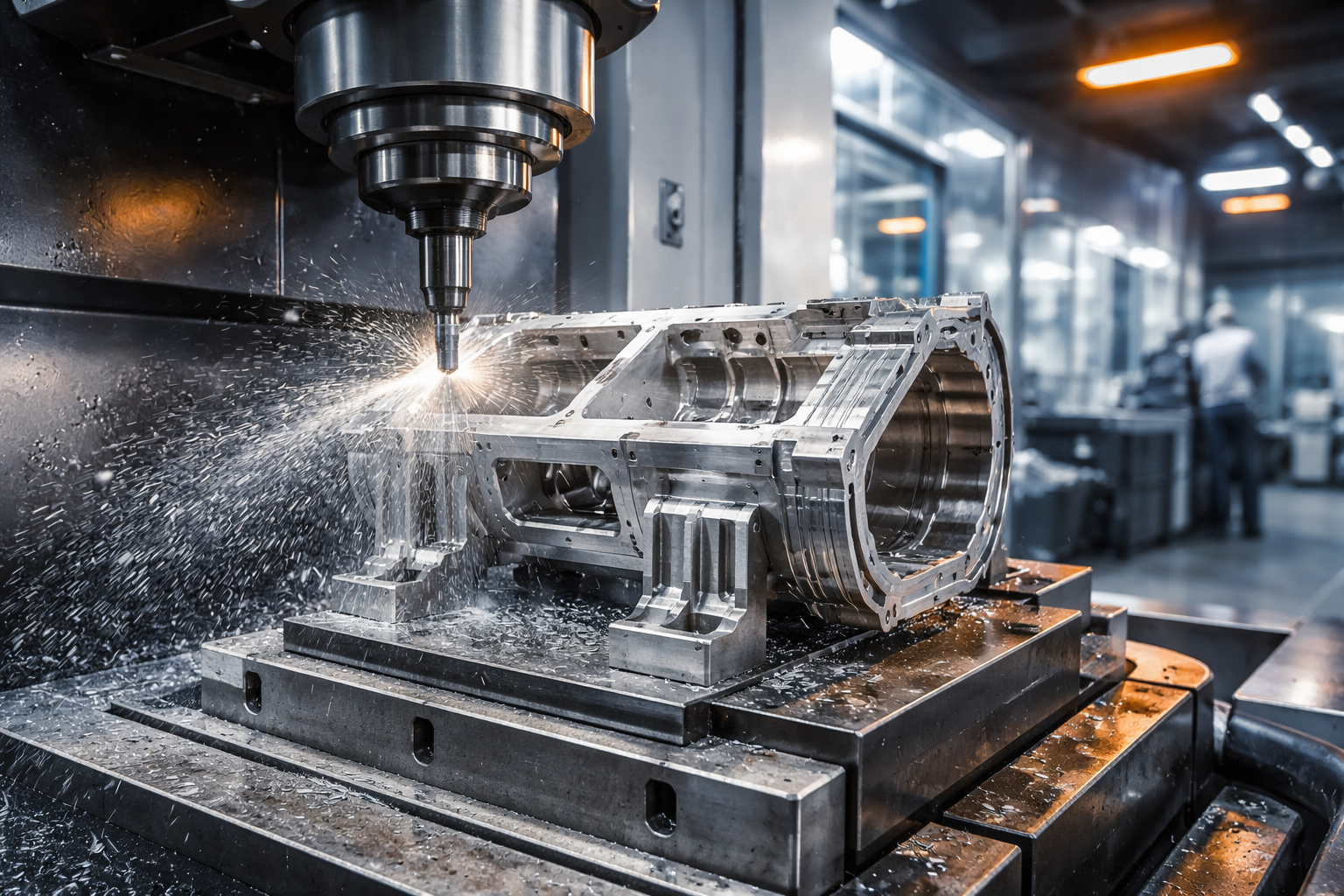
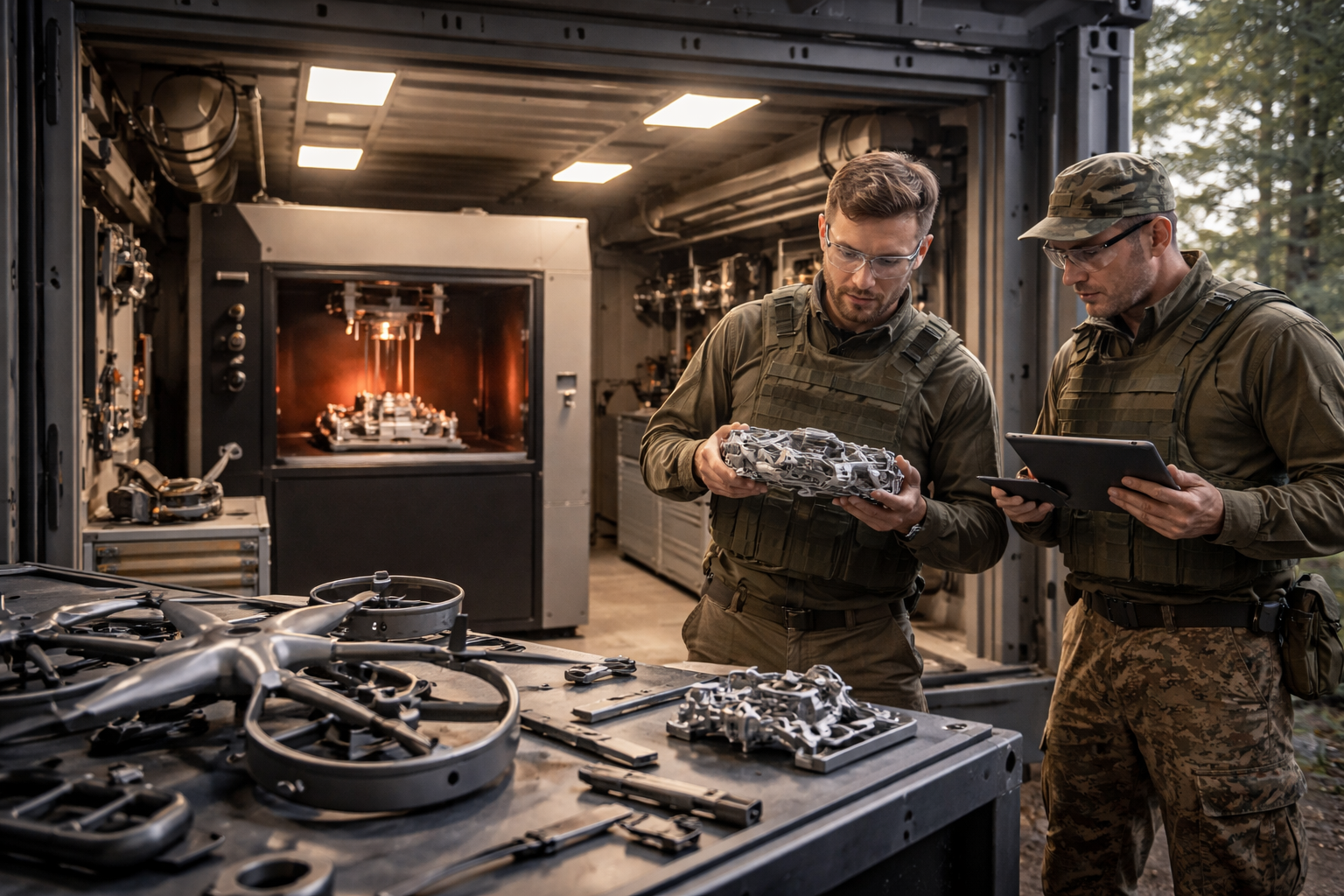
Deployable metal printing is shortening battlefield repair cycles dramatically now. A Tennessee field trial returned a deadlined U.S. Army vehicle to service in under a day, turning a weeks-long parts delay into a same-shift repair.
Malta is adding a fourth King Air patrol aircraft now. Aerodata will deliver the platform by late 2027, extending a standardised surveillance fleet built around mission-system commonality, radar upgrades, and faster maritime picture-building.
Royal Navy minehunting crews are moving into autonomous systems operations. The latest MHC deliveries move the programme from acquisition into use, with training, maintenance knowledge, and data exploitation now carrying as much weight as the hardware.
Field power support is becoming frontline infrastructure work once again. Babcock’s FEPS contract turns generator upkeep into a longer-cycle engineering and availability programme across three UK sites.
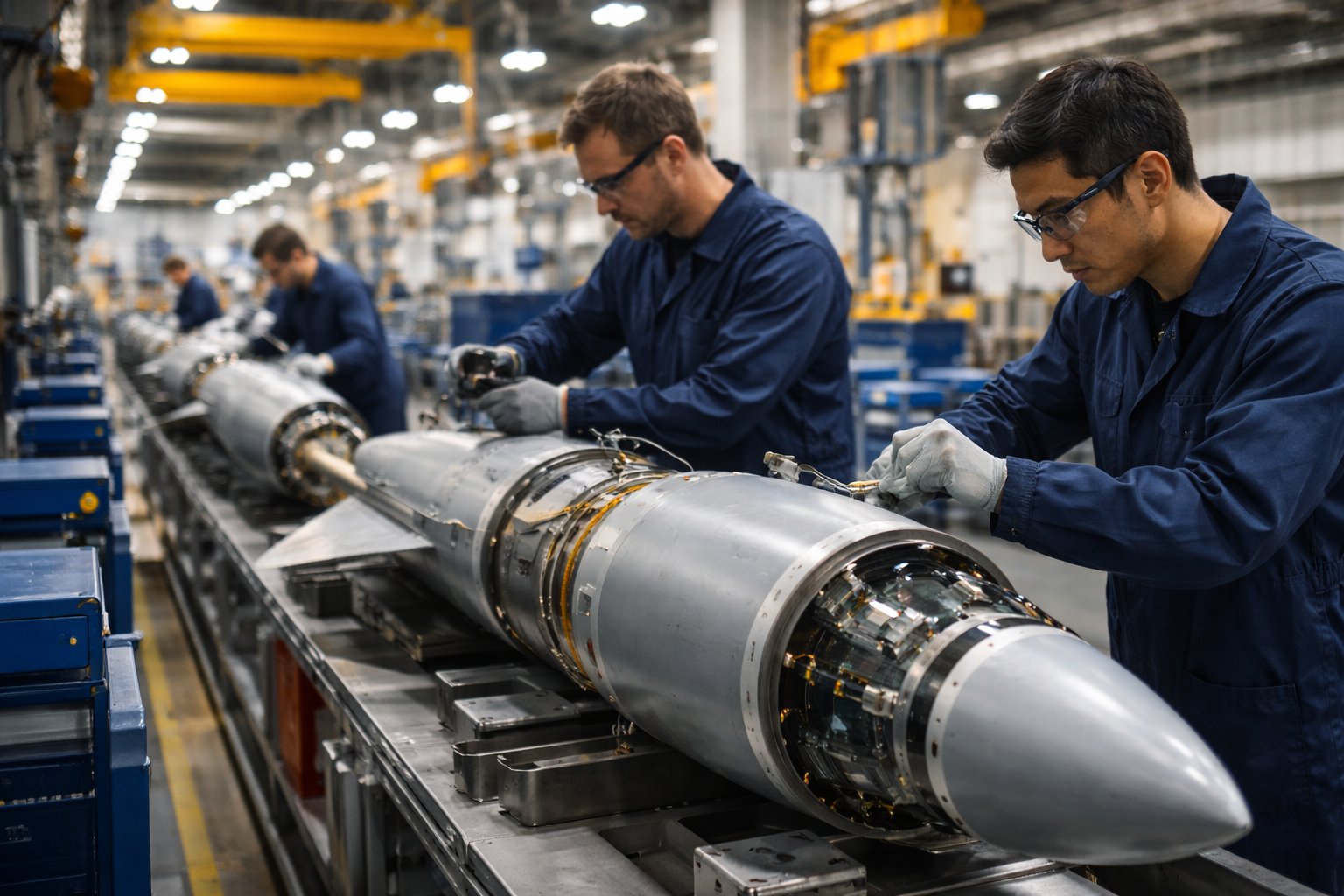
A successful launcher-integrated flight pushes iRocket closer to scaled production. The Mach 2 test strengthens the case for a domestically built 70mm counter-UAS effect that can fit established launcher architectures.
Britain has now acknowledged repair hubs operating inside wartime Ukraine. The disclosure shows land sustainment moving beyond export support and into deployed industrial repair, overhaul, and technical transfer.
AMRICC has shifted from commissioning into commercial delivery at scale. Its latest performance figures point to rising demand for pilot-scale ceramics work, with direct implications for UK defence, aerospace, and high-temperature manufacturing capacity.