IN Brief:
- Safran Electronics & Defense will invest nearly €50m in a new Ludwigsburg facility.
- The site will expand production and sustainment for FOG, PNT, and portable optronic equipment.
- The investment supports European demand for resilient navigation, guidance, and battlefield sensing capacity.
Safran Electronics & Defense is investing nearly €50m in a new German defence equipment facility in Ludwigsburg, strengthening local production and sustainment capacity for navigation, timing, and optronic systems.
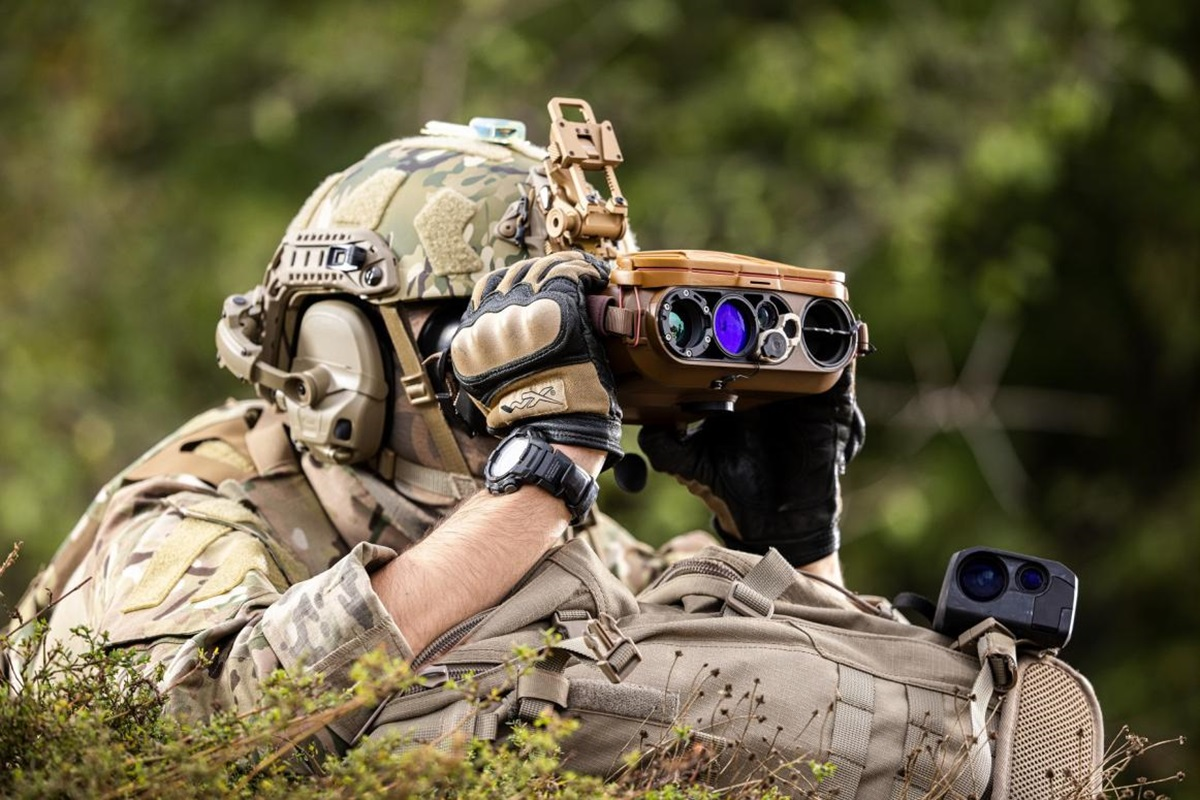
The investment will move current operations from Murr to a larger centre of excellence in Baden-Württemberg, with the new site expected to become operational in early 2028. It will support fibre-optic gyroscope and position, navigation, and timing equipment used across civil and military platforms. Production and maintenance capacity for portable optronic equipment will also be expanded.
Around 200 jobs are expected across engineering, production, quality, business development, and sales. Germany gains a deeper domestic Safran footprint at a point when European governments are trying to reduce exposure to fragile supply chains and accelerate defence equipment output.
Fibre-optic gyroscopes and PNT equipment sit behind a wide range of military systems, including armoured vehicles, artillery, drones, aircraft, ships, guided munitions, and command platforms. Optronic equipment gives troops and vehicles improved target acquisition, observation, and situational awareness. These products do not have the public profile of a tank, fighter, or missile, but the visible platforms increasingly rely on them to navigate, target, and operate in degraded environments.
As GPS disruption spreads from military theatres into wider industrial and infrastructure risk, the demand for inertial navigation, timing resilience, sensor fusion, and hardened communications is becoming a platform-design issue rather than a specialist electronics niche.
Producing high-quality navigation and optronic systems demands precision assembly, clean production environments, specialist calibration, ruggedisation, environmental testing, traceability, and long-term support. Customers are buying equipment that must remain accurate under vibration, shock, thermal stress, electromagnetic pressure, and battlefield interference, often across service lives measured in decades rather than years.
The Ludwigsburg investment also supports Europe’s move to localise sensitive production. Domestic facilities do not remove the need for multinational supply chains, but they give governments more control over priority capacity, sustainment, maintenance, and future upgrades. That control becomes especially valuable when the same subsystem type is embedded across multiple platforms and a shortage can delay otherwise complete systems.
Demand is growing across artillery, air defence, missiles, vehicles, drones, electronic-warfare systems, and autonomous platforms. Each market pulls on the same specialist supplier base for inertial navigation, timing, guidance, optronics, actuation, and electronics. A vehicle line or munition programme can be slowed by shortages in the subsystem layer just as easily as by shortages in steel, castings, explosives, or propulsion components.
Platform manufacturers are increasingly exposed to those lower-tier constraints. Airframes and hulls can be assembled only as fast as qualified sensors, navigation units, and test equipment arrive. Export customers also need assurance that spares, repair routes, maintenance equipment, and software updates will remain available over long service lives.
Workforce capacity adds another constraint. Defence electronics manufacturing cannot be expanded simply by adding generic assembly labour. Engineers, calibration specialists, production technicians, quality managers, test staff, and service teams are all required to make high-reliability equipment repeatable. Germany’s ability to grow those skills will influence how quickly sensor and navigation capacity can expand.
Safran’s Ludwigsburg facility is a component-level investment with platform-level consequences. Resilient navigation, precise timing, and reliable electro-optical sensing are becoming baseline requirements across modern defence systems, and Europe’s ability to expand military production will depend heavily on the companies able to manufacture those subsystems at scale.