IN Brief:
- Rheinmetall NIOA Munitions will establish a 155mm M795 projectile forging capability in Maryborough, Queensland.
- The line is expected to begin operating by the end of 2028, with initial output of 15,000 rounds a year.
- The programme strengthens Australia’s sovereign ammunition base as allied artillery demand continues to stretch supply chains.
Australia has signed a $72 million contract with Rheinmetall NIOA Munitions to establish a second large-calibre artillery projectile forging capability in Queensland, adding a further domestic production route for 155mm ammunition.
The new line will be built at the company’s contractor-owned and contractor-operated forge in Maryborough, where it will produce 155mm M795 high-explosive projectiles for the Australian Defence Force. Production is expected to begin by the end of 2028, with initial annual output planned at 15,000 rounds and scope to scale as workforce, tooling, supplier, and demand conditions mature.
The project will support ammunition supply for Australia’s M777A2 lightweight towed howitzers and AS9 Huntsman self-propelled howitzers. During construction and early operation, it is expected to create up to 50 skilled jobs, while adding further metallurgical, machining, inspection, and heavy manufacturing capability to the Maryborough site.
After years in which artillery ammunition was treated as a predictable stockpile item, heavy munitions have returned to the centre of defence production planning. Ukraine has exposed how quickly peacetime assumptions collapse when consumption rises, especially in countries that allowed forging, filling, energetics, and component capacity to narrow after decades of low-rate demand.
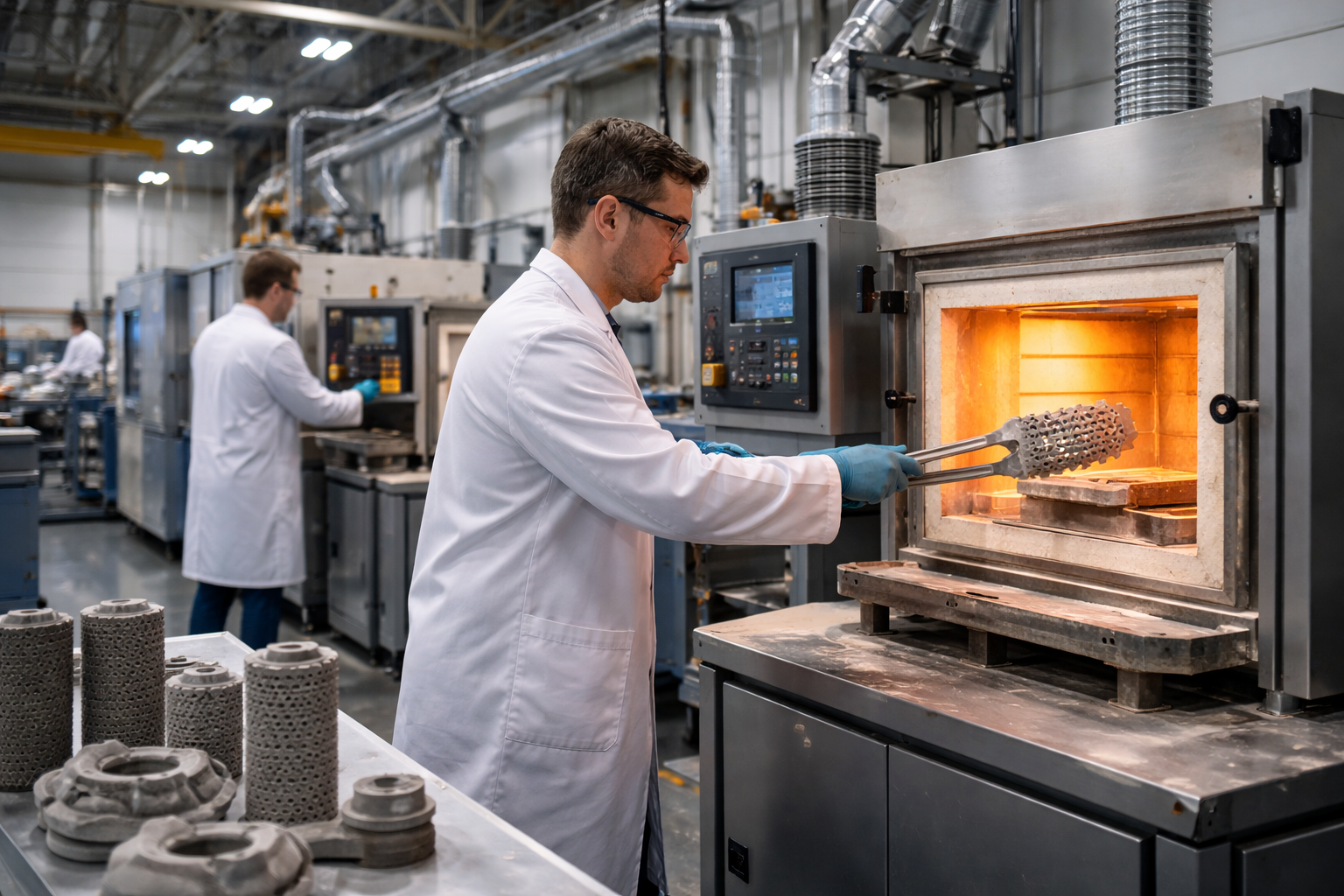
A domestic forging line addresses one of the earliest physical stages in the ammunition chain. Projectile bodies have to withstand extreme pressure, heat, acceleration, and handling stress while remaining consistent enough for filling, fuzing, storage, transport, and firing. Metallurgical repeatability, machining tolerance, non-destructive testing, and process control are therefore as important as final assembly volume.
By placing that capacity in Maryborough, Australia gains greater control over a critical stage in 155mm ammunition supply. Projectile production still depends on explosives, fuzes, propellant charges, packaging, proofing, transport certification, and long-term storage, but domestic forging reduces exposure to offshore allocation decisions at a point when allied customers are competing for the same industrial capacity.
Indo-Pacific geography adds another layer. Regional contingencies would place pressure on ports, shipping, stockpile distribution, and replenishment routes, while long-haul supply chains would be exposed to congestion, disruption, and prioritisation by larger allies. Local forging gives Australia a heavier ammunition base closer to its own operating environment.
The Maryborough programme also sits inside Australia’s wider Guided Weapons and Explosive Ordnance push. A credible sovereign ammunition sector cannot be built around final assembly alone. It requires upstream material processing, precision manufacturing, proofing, explosives handling, storage infrastructure, and long-term contracts that give suppliers enough demand certainty to invest.
Comparable pressures are visible in artillery modernisation elsewhere. The UK’s RCH155 assurance work with QinetiQ placed testing, safety, and integration into the critical path for new gun systems. Australia’s forging investment sits at the other end of the same chain: projectile bodies in sufficient quantity to make those guns operationally useful.
Heavy ammunition production also carries a workforce constraint that cannot be solved by contract award alone. Forging, machining, inspection, and explosive ordnance manufacturing depend on specialist skills that take time to develop. Building the line by 2028 gives Rheinmetall NIOA Munitions a defined runway to qualify people, processes, tooling, and suppliers before output begins.
As artillery stockpiles move higher on defence planning agendas, ammunition capacity is becoming a measure of strategic endurance rather than a back-office logistics concern. Australia’s second 155mm forging line strengthens one of the physical foundations of that endurance, moving the country another step from buyer toward producer in the allied munitions base.